# Fantom Traffic
> Buy Best Targeted Organic SEO Traffic with Guaranteed Clicks
**Generated:** 2026-10-15 18:24:12
**Site URL:** https://fantomtraffic.com
---
## Table of Contents
### Posts
- [Suprmind Launches Multi-AI Platform for Content Strategy and Traffic Analysis](#suprmind-launches-multi-ai-platform-for-content-strategy-and-traffic-analysis-2691)
- [Why Buying Tier 2 Links Puts Your Rankings at Risk](#why-buying-tier-2-links-puts-your-rankings-at-risk-2686)
- [Targeted Website Traffic - Blog Post Version](#targeted-website-traffic-blog-post-version-2678)
- [How to Buy Website Traffic That Actually Converts](#how-to-buy-website-traffic-that-actually-converts-2666)
- [How to Choose the Best Website Traffic Provider in 2025](#how-to-choose-the-best-website-traffic-provider-in-2025-2582)
- [5 Key Benefits of Buying Verified Organic Traffic for Your Website](#5-key-benefits-of-buying-verified-organic-traffic-for-your-website-2562)
- [The Difference Between Real and Fake Website Traffic: A Complete Guide](#the-difference-between-real-and-fake-website-traffic-a-complete-guide-2584)
- [Website Traffic Packages: What's Included and What to Look For](#website-traffic-packages-whats-included-and-what-to-look-for-2600)
- [Buy Website Traffic That Converts: Quality vs. Quantity in 2025](#buy-website-traffic-that-converts-quality-vs-quantity-in-2025-2588)
- [How to Verify the Quality of Purchased Website Traffic in 2025](#how-to-verify-the-quality-of-purchased-website-traffic-in-2025-2586)
- [What is Guest Posting in SEO: A Simple Guide to Boost Rankings](#what-is-guest-posting-in-seo-a-simple-guide-to-boost-rankings-2541)
- [Boost Organic Search Visibility: Simple Strategies for Growth](#boost-organic-search-visibility-simple-strategies-for-growth-2540)
- [Mastering Google Organic Search Results: Proven Strategies for Success](#mastering-google-organic-search-results-proven-strategies-for-success-2539)
- [Unlock Organic Traffic Growth: Simple Strategies to Boost Your Website](#unlock-organic-traffic-growth-simple-strategies-to-boost-your-website-2538)
- [Page Rank Meaning Explained: A Simple SEO Guide](#page-rank-meaning-explained-a-simple-seo-guide-2477)
- [Boost Organic Search Traffic: The Ultimate Guide](#boost-organic-search-traffic-the-ultimate-guide-2476)
- [Master SEO Traffic: Proven Strategies to Boost Organic Growth](#master-seo-traffic-proven-strategies-to-boost-organic-growth-2475)
- [Master Organic Optimization: Simple Tactics for Real Growth](#master-organic-optimization-simple-tactics-for-real-growth-2474)
- [Unlock Ahrefs Traffic: Simple Strategies for Boosting SEO](#unlock-ahrefs-traffic-simple-strategies-for-boosting-seo-2473)
- [What Is Organic Keyword? A Simple Guide for SEO Success](#what-is-organic-keyword-a-simple-guide-for-seo-success-2472)
- [Boost Google Organic Search Traffic with Proven SEO Tips](#boost-google-organic-search-traffic-with-proven-seo-tips-2471)
- [Organic Search Made Simple: Boost Your Website Traffic](#organic-search-made-simple-boost-your-website-traffic-2470)
- [What Is Enterprise SEO? Simple Guide for Business Growth](#what-is-enterprise-seo-simple-guide-for-business-growth-2424)
- [How to Buy Targeted Organic Traffic with Guaranteed Clicks for Your Website](#how-to-buy-targeted-organic-traffic-with-guaranteed-clicks-for-your-website-2360)
- [Boosting Your Guest Posts Backlinks Power with Fantom Click: An In-Depth Guide](#boosting-your-guest-posts-backlinks-power-with-fantom-click-an-in-depth-guide-152)
### Pages
- [Organic Traffic Insights](#organic-traffic-insights-2449)
- [Comparisons](#comparisons-2419)
- [Looking for a SearchSEO Alternative?](#looking-for-a-searchseo-alternative-2408)
- [SparkTraffic Alternative](#sparktraffic-alternative-2371)
- [Privacy Policy](#privacy-policy-2341)
- [How to Buy the Best Targeted Organic SEO Traffic with Guaranteed Clicks for Your Website](#how-to-buy-the-best-targeted-organic-seo-traffic-with-guaranteed-clicks-for-your-website-2288)
- [Common Questions About Buying Website Traffic](#common-questions-about-buying-website-traffic-2591)
- [SEO Insights: Use Cases, Case Studies and Industry Reserach Articles](#seo-insights-use-cases-case-studies-and-industry-reserach-articles-1989)
- [Pricing](#pricing-1310)
- [About Fantom Click](#about-fantom-click-1217)
- [Buy Best Targeted Organic SEO Traffic - Fantom Visits](#buy-best-targeted-organic-seo-traffic-fantom-visits-158)
- [How it Works](#how-it-works-141)
---
## Posts: Suprmind Launches Multi-AI Platform for Content Strategy and Traffic Analysis
**URL:** [https://fantomtraffic.com/suprmind-launch-fantomtraffic/](https://fantomtraffic.com/suprmind-launch-fantomtraffic/)
**Markdown URL:** [https://fantomtraffic.com/suprmind-launch-fantomtraffic.md](https://fantomtraffic.com/suprmind-launch-fantomtraffic.md)
**Published:** 2026-02-07
**Last Updated:** 2026-02-07
**Author:** derek.l.eldridge@gmail.com
**Categories:** Marketing
**Tags:** AI, AI Orchestration, Content Strategy, organic traffic, SEO, Suprmind

### Content
Organic traffic growth depends on content decisions made months in advance. Topic selection, content depth, competitive positioning – these choices compound over time. Get them right and traffic builds. Get them wrong and you’ve invested resources in content that never ranks.
The challenge is that content strategy involves uncertainty. Search intent shifts. Competitors publish. Algorithm updates change the game. Single-AI content recommendations reflect one model’s interpretation of these dynamics.
But different models weight factors differently. They identify different opportunities. They assess competition differently. Content strategists who check recommendations across multiple AI tools usually find meaningful disagreements – which suggests the confident single-model answer wasn’t as reliable as it seemed.
What if five AI models could analyze content opportunities together, challenging and building on each other’s assessments?
[Suprmind](https://suprmind.ai) launches today with exactly that capability.
## Five Models Collaborating on Content Analysis
The platform puts GPT-5.2, Claude Opus 4.5, Gemini 3 Pro, Grok 4.1, and Perplexity Sonar Reasoning Pro in the same conversation. Each model responds in sequence, seeing what previous models said before adding its perspective.
| Order | Model | Contribution to Content Strategy |
| --- | --- | --- |
| 1st | Grok 4.1 (xAI) | Trending topics and real-time search signals |
| 2nd | Sonar Reasoning Pro (Perplexity) | Competitive landscape with source citations |
| 3rd | Claude Opus 4.5 (Anthropic) | Critical analysis of content opportunities |
| 4th | GPT-5.2 (OpenAI) | Pattern recognition across topic clusters |
| 5th | Gemini 3 Pro (Google) | Synthesis into prioritized content roadmap |
By the fifth response, you have content strategy that’s been challenged and refined from multiple analytical perspectives.
## Where Models Agree vs. Disagree

When all five models identify the same content opportunity, that consensus signals confidence. When they diverge – Claude sees potential while GPT dismisses the topic – that disagreement maps uncertainty worth investigating.
Suprmind highlights these conflicts rather than smoothing them over. For content strategy, disagreement is valuable signal:
- Opportunities that survive multi-model scrutiny are stronger bets
- Topics where models diverge need deeper research before investment
- Competitive assessments get cross-examined from multiple angles
- Keyword difficulty estimates get validated across different reasoning approaches
## Research Symphony: Comprehensive Topic Research
[Research Symphony](https://suprmind.ai/hub/use-cases/market-research/) runs a four-stage pipeline for deeper content analysis:
1. Perplexity retrieves competitive content landscape with citations
2. GPT analyzes ranking patterns and content gaps
3. Claude validates opportunities and identifies risks
4. Gemini synthesizes into prioritized content recommendations
The output documents reasoning at each stage – not just what to write, but why the analysis supports that direction.
## Fusion Mode: Rapid Content Briefs
When you need quick multi-perspective input, Fusion mode runs all five models simultaneously, then synthesizes responses into a single comprehensive brief.
Ask about a content angle. Get five perspectives processed in parallel, merged into actionable direction – faster than sequential analysis while still capturing multi-model insight.
## Red Team Mode: Challenging Content Strategies
Planning major content investment? [Red Team mode](https://suprmind.ai/hub/how-to/ai-for-researchers/) attacks your strategy from four vectors:
-**Technical feasibility**– Can you actually rank for this given site authority?
-**Business viability**– Will this traffic convert? Is the intent right?
-**Competitive response**– How will competitors react? Can they outproduce?
-**Edge cases**– What if intent shifts? What if algorithm updates hit?
Catch weak content bets before they consume production resources.
## Knowledge Graph: Context Across Content Projects
Content strategy builds on previous decisions. Topic clusters relate to each other. Keyword research informs multiple pieces. Suprmind’s Knowledge Graph maintains context across related sessions.
Start a new content analysis. The platform already knows your site’s positioning, previous topic decisions, competitive landscape. No re-explaining background for each research session.
## From Analysis to Content Roadmaps
The Master Document Generator transforms multi-AI analysis into formatted content strategy documents: topic prioritization matrices, content briefs, competitive gap analyses, editorial calendars.
The output is structured for team alignment – documented reasoning behind content priorities, not just a topic list.
## What This Means for Content Strategists
The shift is from AI as a topic generator to AI as a validation partner. Five models cross-examining content opportunities catch weak bets before production investment.
### Key Capabilities
- Five models analyzing content opportunities collaboratively
- Research Symphony for comprehensive topic research
- Fusion mode for rapid multi-perspective briefs
- Red Team mode for strategy stress-testing
- Knowledge Graph for context across content projects
## Now Live
Suprmind launches today for content strategists who need validated recommendations before investing production resources. The platform is live at suprmind.ai.
---
## Posts: Why Buying Tier 2 Links Puts Your Rankings at Risk
**URL:** [https://fantomtraffic.com/why-buying-tier-2-links-puts-your-rankings-at-risk/](https://fantomtraffic.com/why-buying-tier-2-links-puts-your-rankings-at-risk/)
**Markdown URL:** [https://fantomtraffic.com/why-buying-tier-2-links-puts-your-rankings-at-risk.md](https://fantomtraffic.com/why-buying-tier-2-links-puts-your-rankings-at-risk.md)
**Published:** 2026-01-01
**Last Updated:** 2026-01-01
**Author:** derek.l.eldridge@gmail.com
**Categories:** General
**Tags:** best tier 2 link services, buy the best tier 2 links, link schemes policy, tier 2 link building, tiered link building strategy

**Summary:** You're considering tier 2 links because you need faster authority transfer to your money pages. The promise is simple: build links to your backlinks, and watch your rankings climb. But here's what most services won't tell you: purchased tier 2 links rarely show up in GA4 or Google Search Console,
### Content
You’re considering tier 2 links because you need faster authority transfer to your money pages. The promise is simple: build links to your backlinks, and watch your rankings climb. But here’s what most services won’t tell you:**purchased tier 2 links rarely show up in GA4 or Google Search Console**, and when Google spots the pattern, your entire link profile becomes suspect.
SEO agencies face intense pressure to deliver quick wins for clients. When organic link building feels too slow, tier 2 services seem like the perfect shortcut. You’re not alone in this thinking. The problem is that**most tier 2 link providers use link schemes**that violate Google’s guidelines, generating fake traffic that leaves no trace in your analytics and provides zero engagement signals.
This guide shows you a safer path: amplifying your existing backlinks with [**GA4-verified organic traffic**](https://fantomtraffic.com/how-it-works/) that drives real user engagement. Instead of risking penalties with purchased links, you’ll learn how to strengthen your link equity through measurable, compliant methods that actually move the needle on rankings.
## What Tier 2 Links Actually Do (And Why Most Fail)
Tier 2 links are backlinks built to your backlinks. The theory is sound: when a page linking to you gains authority, it passes more link equity to your site. In a perfect world, tier 2 links would**accelerate indexation**, increase referral paths, and amplify the ranking power of your tier 1 backlinks.
Here’s why the traditional approach falls apart:
-**Link schemes trigger algorithmic filters**– Google’s systems detect unnatural link patterns, velocity spikes, and suspicious anchor text distributions
-**Fake traffic leaves no analytics footprint**– If visitors don’t appear in GA4 or GSC, Google sees no engagement signals to validate the links
-**Low-quality tier 2 sources dilute authority**– Spam blogs and PBNs pass minimal equity while increasing your risk profile
-**No measurement framework exists**– Without verifiable metrics, you can’t prove ROI or optimize your approach
The agencies we work with have spent thousands on tier 2 services only to see**zero movement in rankings or impressions**. When they check GA4, the traffic never materialized. When they audit the links in Ahrefs, they find networks of low-DR sites with identical footprints. The money is gone, and the risk remains.
### How Google Actually Evaluates Link Patterns
Google’s algorithms look beyond simple link counts. They analyze patterns that separate natural link growth from manufactured schemes. Understanding these signals helps you avoid detection while building legitimate authority.
Key pattern signals Google monitors:
1.**Link velocity**– Sudden spikes in backlinks or tier 2 links signal manipulation
2.**Anchor text distribution**– Over-optimized exact-match anchors across tiers create obvious footprints
3.**Site quality correlation**– When all tier 2 sources share low authority or similar templates, algorithms flag the network
4.**Engagement metrics**– Pages with backlinks but no traffic, dwell time, or return visits look suspicious
5.**Indexation rates**– Natural links get crawled and indexed faster than artificial ones
The alternative approach focuses on what Google actually rewards:**real user engagement on pages with backlinks**. When people visit a page linking to you, spend time reading, and navigate naturally, Google sees validation that the link has editorial merit. This is the foundation of safe link amplification.
## The Measurement Stack for Verifiable Link Amplification
If you can’t measure it in your analytics, it didn’t happen. This principle separates legitimate traffic amplification from fake tier 2 services. Your measurement stack needs to capture**every signal Google uses**to evaluate link quality and user engagement.
### GA4 Event Tracking for Engagement Signals
GA4 captures the behavioral data that proves traffic is real. When you amplify backlinks with verified organic traffic, you need to see these events in your analytics dashboard:
-**Page views with session duration**– Real users spend time reading content, not bouncing immediately
-**Scroll depth tracking**– Engagement beyond 50% scroll depth signals content relevance
-**Click events on internal links**– Natural navigation patterns show users exploring your site
-**Return visitor rates**– Repeat visits indicate genuine interest and brand recognition
-**Conversion assists**– Traffic that contributes to goal completions validates link value
Set up custom events in GA4 to track these signals for pages with backlinks you’re amplifying. Compare baseline metrics before amplification to post-amplification performance. The [**verification process**](https://fantomtraffic.com/how-it-works/) should show clear increases in engagement depth and session quality.
### Google Search Console Impression and CTR Growth
GSC data reveals how Google perceives your pages in search results. When link amplification works correctly, you’ll see specific pattern changes that indicate improved authority and relevance.
Monitor these GSC metrics weekly:
1.**Impressions for target keywords**– Pages gaining authority show up more frequently in search results
2.**Average position improvements**– Watch for gradual climbs in rankings as link equity strengthens
3.**Click-through rate increases**– Better positions and improved snippets drive more organic clicks
4.**Query diversity expansion**– Stronger pages rank for more related search terms
The key difference between fake tier 2 links and verified traffic amplification shows up here. Purchased links generate no GSC movement because Google sees no user validation.**Real organic traffic**creates the engagement signals that tell Google your backlinked pages deserve higher rankings.
### Ahrefs Metrics for Authority Validation
While GA4 and GSC show user behavior, Ahrefs reveals how your link profile evolves. Track Domain Rating (DR) and URL Rating (UR) for pages you’re amplifying to confirm that authority is transferring correctly.
What to monitor in Ahrefs:
-**Indexation status of tier 1 backlinks**– Amplified links should move from “discovered” to “indexed” faster
-**Referring domain quality trends**– Focus on DR 30+ sources; prune low-quality tiers
-**Anchor text diversity**– Maintain natural distribution across branded, generic, and topical anchors
-**Link velocity patterns**– Gradual, consistent growth avoids algorithmic red flags
The measurement stack works together. GA4 proves traffic is real. GSC shows Google’s response. Ahrefs validates link profile health. Without all three, you’re flying blind.
## The Safe Alternative to Buying Tier 2 Links

Instead of purchasing risky tier 2 links, you can amplify existing backlinks through**verified organic traffic**that creates real engagement signals. This approach works because it gives Google exactly what it’s looking for: evidence that people find your backlinked pages valuable.
The process starts with understanding what makes a backlink worth amplifying. Not every link deserves the investment. You need a systematic way to identify high-potential targets and allocate your amplification budget for maximum impact.
### Step 1: Audit Existing Backlinks for Amplification Potential
Pull your complete backlink profile from Ahrefs or your preferred tool. You’re looking for links that have authority potential but aren’t delivering full value yet. These are your**amplification candidates**.
Evaluation criteria for each backlink:
-**Domain authority (DR 30+)**– Higher authority sources pass more equity when amplified
-**Topical relevance**– Links from related content in your niche carry more weight
-**Current indexation status**– Partially indexed or newly discovered links benefit most
-**Anchor text quality**– Diverse, natural anchors are safer to amplify
-**Page engagement metrics**– Check if the linking page has existing traffic and engagement
Create a spreadsheet ranking your backlinks by amplification score. Focus your efforts on the top 20-30 links that combine high authority, strong relevance, and current underperformance. These will deliver the fastest ranking improvements with the lowest risk.
### Step 2: Build Your Amplification Plan
Each backlink needs a customized approach based on its current state and potential. Your plan should specify**traffic volume**,**pacing schedule**, and**engagement targets**for every link you’re amplifying.
Planning framework:
1.**Set baseline metrics**– Document current GA4/GSC performance for each target page
2.**Calculate traffic requirements**– Higher DR links need more engagement signals to show impact
3.**Plan velocity pacing**– Spread traffic over 30-60 days to maintain natural patterns
4.**Diversify anchor approaches**– Use branded, generic, and topical anchors across amplified links
5.**Schedule content refreshes**– Update target pages to maximize engagement from incoming traffic
The pacing is critical. Sudden traffic spikes to previously dormant backlinked pages create obvious footprints. Gradual, consistent growth over 4-8 weeks looks natural and gives Google time to process the engagement signals. This is where [**tiered link activation**](https://fantomtraffic.com/how-to-buy-organic-traffic/) strategies prove their value.
### Step 3: Activate GA4-Verified Organic Traffic
This is where the safe alternative diverges completely from purchased tier 2 links. Instead of building questionable backlinks to your backlinks, you’re sending**real users with genuine engagement patterns**to the pages that link to you.
What makes traffic “verified” in GA4 and GSC:
-**Real Chrome browser profiles**– Each visitor has unique fingerprints and browsing history
-**Natural navigation patterns**– Users scroll, click internal links, and spend variable time on page
-**Proper referral sources**– Traffic comes from organic search queries, not bot networks
-**Geographic distribution**– Visitors originate from diverse locations matching your target audience
-**Device and OS variety**– Mix of desktop, mobile, and tablet users with different operating systems
The traffic appears in GA4 with full session data, scroll depth, and event tracking. It shows up in GSC as organic impressions and clicks. Google sees the same signals it would see from naturally acquired visitors. That’s what makes this approach compliant and effective.
### Step 4: Monitor Leading Indicators
Track performance weekly using your measurement stack. You’re looking for specific patterns that indicate successful amplification and early ranking improvements.
Leading indicators to watch:
1.**GSC impressions growth**– Target pages should show 15-30% increases within 30 days
2.**Average position improvements**– Look for 3-5 position gains for primary keywords
3.**Click-through rate increases**– Better positions and engagement should lift CTR by 10-20%
4.**Indexation rate acceleration**– Amplified backlinks should index faster in Ahrefs
5.**Assisted conversions**– Track how amplified traffic contributes to goal completions
If you don’t see movement in these metrics after 30 days, adjust your approach. Increase traffic volume to underperforming links. Refresh content on target pages. Check that engagement signals are strong enough (50%+ scroll depth, 60+ second sessions).
### Step 5: Iterate by Quality Over Volume
The biggest mistake agencies make is treating all backlinks equally. Your amplification budget should flow to links that demonstrate ROI, while you prune or ignore links that don’t move the needle.
Optimization framework:
-**Double down on winners**– Links showing ranking improvements deserve more amplification
-**Prune low-quality tiers**– Disavow or ignore backlinks that show no authority potential
-**Refresh top performers**– Update content on your best-performing backlinked pages quarterly
-**Test new anchor variations**– Experiment with different anchor text approaches on high-DR links
-**Scale gradually**– Add 10-15% more traffic monthly to proven amplification targets
This iterative approach delivers compounding returns. Each optimization cycle improves your understanding of which links drive rankings. Over 6-12 months, you build a portfolio of**amplified backlinks**that consistently pass authority to your money pages without any risk of penalties.
## Implementation Tools and Templates for Agency Teams
Theory only works when you can execute it at scale. SEO agencies need operational frameworks that translate strategy into repeatable workflows. These tools help you implement safe link amplification across multiple client accounts.
### Google Link Schemes Compliance Checklist
Before amplifying any backlink, verify your approach against Google’s link scheme guidelines. This checklist maps each guideline to specific do/don’t actions for your amplification plan.
Compliance verification:
-**Do: Use verified organic traffic with real engagement signals**-**Don’t: Purchase links to your backlinks from PBN networks**-**Do: Maintain natural anchor text distribution across amplified links**-**Don’t: Use exact-match anchors for more than 10% of amplification traffic**-**Do: Pace traffic growth gradually over 30-60 days per backlink**-**Don’t: Send sudden traffic spikes that create obvious manipulation patterns**-**Do: Focus on high-quality backlinks from relevant, authoritative sources**-**Don’t: Amplify low-DR spam links that provide no real value**-**Do: Track all amplification in GA4/GSC for full transparency**-**Don’t: Use traffic sources that don’t appear in your analytics**Print this checklist and review it before launching each amplification campaign. One violation can put your entire client account at risk. The safe approach requires discipline and consistent adherence to compliant methods.
### Backlink Amplification Calculator
Estimate the traffic volume and pacing needed for each backlink based on its current authority and performance. This calculator helps you allocate budget efficiently across your amplification portfolio.
Calculator inputs:
1.**Current Domain Rating (DR) of linking page**2.**Current monthly organic traffic to linking page**3.**Your target ranking improvement (positions)**4.**Current engagement metrics (bounce rate, time on page)**5.**Amplification timeline (days)**The calculator outputs recommended daily traffic volume, total budget allocation, and expected timeline to see ranking movement. Higher DR links need more engagement signals to show impact. Links with existing traffic require less amplification than dormant pages.
Use this tool during your planning phase to build realistic amplification budgets. Most agencies underestimate the traffic volume needed for high-DR backlinks, then wonder why they don’t see results. The calculator prevents this mistake. Review [**pricing**](https://fantomtraffic.com/fantom-pricing/) when allocating budget by tier.
### Agency White-Label Reporting Template
Client communication makes or breaks retention. This reporting template standardizes how you present amplification results using GA4, GSC, and Ahrefs data. It’s designed for white-label use across all your client accounts.
Template sections:
-**Executive summary**– Highlight ranking improvements and traffic growth in one paragraph
-**GA4 engagement metrics**– Show session duration, scroll depth, and conversion assists for amplified pages
-**GSC performance data**– Chart impressions, position, and CTR trends over the reporting period
-**Ahrefs authority validation**– Document DR/UR changes and indexation rate improvements
-**Amplification activity log**– Detail which backlinks received traffic and pacing schedules
-**Next period recommendations**– Specify optimization actions and budget allocation for next month
The template includes annotated screenshot examples showing exactly how to capture and present each metric. Clients see transparent, verifiable data that proves ROI. This is the opposite of tier 2 link services that provide vague promises and no analytics proof.
### 30-Day Implementation Roadmap
Break down your first amplification campaign into weekly milestones with specific QA checkpoints. This roadmap prevents common mistakes and ensures you follow compliant methods from day one.
Week-by-week breakdown:
1.**Week 1: Audit and planning**– Pull backlink data, score amplification candidates, build traffic plan
2.**Week 2: Setup and baseline**– Configure GA4 events, document current GSC metrics, set up tracking
3.**Week 3: Initial activation**– Launch traffic to top 5 backlinks at 25% of planned volume
4.**Week 4: Monitor and optimize**– Review engagement signals, adjust pacing, scale to full volume
Each week includes specific QA checks to verify compliance and effectiveness. Did traffic appear in GA4? Are engagement signals strong enough? Is pacing natural? The roadmap keeps your team aligned and reduces execution risk.
## Troubleshooting Common Amplification Issues
Even with a solid plan, you’ll encounter situations where amplification doesn’t deliver expected results. These troubleshooting scenarios help you diagnose and fix the most common problems agencies face.
### Problem: Traffic Appears in GA4 But No Ranking Movement
You’re sending verified traffic to backlinked pages, it shows up in analytics, but GSC shows no position improvements after 30 days. This indicates**engagement signals are too weak**to influence rankings.
Diagnostic steps:
- Check average session duration – should be 60+ seconds for meaningful engagement
- Review scroll depth – less than 50% suggests users aren’t reading content
- Analyze bounce rate – over 70% means visitors aren’t finding value
- Verify click-through on internal links – zero navigation signals poor engagement
Solutions that work:
1.**Increase session duration targets**– Aim for 90-120 second sessions on amplified pages
2.**Improve content quality**– Refresh target pages to increase engagement naturally
3.**Add internal linking**– Make it easier for visitors to navigate to related content
4.**Test different traffic sources**– Some keywords drive more engaged visitors than others
The key insight: volume without engagement doesn’t move rankings. Google needs to see that visitors find the backlinked page valuable. Focus on quality signals over traffic quantity.
### Problem: Indexation Rates Haven’t Improved
Your amplified backlinks still show as “discovered but not indexed” in Ahrefs after 45 days. This suggests Google isn’t prioritizing crawling and indexing those pages despite increased engagement signals.
Why indexation stalls:
-**Crawl budget limitations**– Low-authority domains get crawled less frequently
-**Technical issues on linking pages**– Robots.txt blocks, noindex tags, or canonicalization problems
-**Content quality concerns**– Thin or duplicate content gets deprioritized for indexing
-**Insufficient internal linking**– Pages without internal links get crawled less often
Fixes to accelerate indexation:
1.**Request indexing via GSC**– Manually submit backlinked pages through Search Console
2.**Build internal links to target pages**– Add links from high-authority pages on the same domain
3.**Increase crawl signals**– More frequent content updates trigger more crawling
4.**Verify technical setup**– Ensure no robots.txt or meta tag issues block indexing
If indexation remains stuck after these fixes, the backlink source may have fundamental authority issues. Consider reallocating amplification budget to higher-quality links that index faster.
### Problem: CTR Drops Despite Position Improvements
Your amplified pages are ranking better in GSC (average position improved 5 spots), but click-through rate is declining. This counterintuitive situation indicates**snippet optimization issues**.
CTR decline causes:
-**Weak title tags**– Titles don’t match user intent for improved ranking positions
-**Poor meta descriptions**– Snippets fail to communicate value proposition
-**Missing rich snippets**– Competitors with schema markup attract more clicks
-**Brand recognition gaps**– Users don’t trust unfamiliar brands in top positions
CTR optimization tactics:
1.**Rewrite title tags**– Test titles that include power words and clear benefits
2.**Optimize meta descriptions**– Add calls-to-action and specific value propositions
3.**Implement schema markup**– Add structured data for rich snippets and enhanced SERP features
4.**Build brand signals**– Increase branded search volume through other marketing channels
Track CTR changes weekly in GSC. Small improvements in CTR compound with better positions to drive significant organic traffic growth. A page ranking position 5 with 8% CTR outperforms position 3 with 4% CTR.
## Case Study: Agency Scales Amplification Across 15 Client Accounts

A mid-sized SEO agency managing e-commerce clients was spending $8,000 monthly on tier 2 link services with minimal ranking improvements. They couldn’t prove ROI because the traffic never appeared in client analytics. Client retention was suffering.
The agency switched to verified traffic amplification for their top 15 accounts. They focused on amplifying existing backlinks from DR 40+ sources using the frameworks outlined in this guide. Here’s what happened over 90 days:
### Implementation Approach
The agency started with a pilot program on their three highest-value clients. For each client, they:
- Audited existing backlinks and identified 20-30 amplification candidates per account
- Built customized amplification plans with specific traffic volumes and pacing schedules
- Allocated 60% of previous tier 2 link budget to verified traffic amplification
- Set up comprehensive tracking in GA4, GSC, and Ahrefs for all target pages
- Established weekly reporting cadence using the white-label template
After seeing positive results in the pilot accounts, they scaled the approach across all 15 clients over the next 60 days. The key was maintaining strict compliance with pacing guidelines and engagement quality standards.
### Quantified Results
Average improvements across the 15 client accounts after 90 days:
1.**GSC impressions increased 34%**for pages with amplified backlinks
2.**Average position improved 4.2 spots**for target keywords
3.**Organic traffic grew 28%**across all amplified pages
4.**Conversion assists increased 19%**from amplification traffic
5.**Client retention rate improved to 94%**from previous 78%
The financial impact was significant. By reallocating tier 2 link budget to verified amplification, the agency reduced monthly spend by 25% while delivering better results. More importantly, they could show clients transparent analytics proving ROI. No more explaining why purchased links didn’t appear in reports.
### Key Success Factors
What made this implementation work where previous tier 2 link efforts failed:
-**Analytics verification from day one**– Every traffic source appeared in GA4 and GSC immediately
-**Natural engagement patterns**– Session durations, scroll depth, and navigation matched organic user behavior
-**Gradual, sustainable pacing**– No suspicious traffic spikes that would trigger algorithmic filters
-**Focus on quality over volume**– Amplified only high-potential backlinks from authoritative sources
-**Transparent client reporting**– Standardized templates showing verifiable metrics and clear ROI
The agency now uses this approach as their standard link amplification methodology. They’ve eliminated tier 2 link purchases entirely, reducing risk while improving results. Client satisfaction scores increased because results are measurable and sustainable.
## Comparing Purchased Tier 2 Links vs Verified Traffic Amplification
Understanding the differences between traditional tier 2 link buying and verified traffic amplification helps you make informed decisions about your link building strategy. This comparison breaks down each approach across critical factors.
| Factor | Purchased Tier 2 Links | Verified Traffic Amplification |
| --- | --- | --- |
|**Analytics Visibility**| Traffic rarely appears in GA4 or GSC | 100% visibility in GA4, GSC, and Ahrefs |
|**Google Guidelines**| Violates link schemes policy | Compliant with organic engagement signals |
|**Engagement Signals**| Zero dwell time or user behavior data | Natural scroll depth, clicks, and session duration |
|**Risk Level**| High – potential for algorithmic or manual penalties | Low – mimics natural user behavior patterns |
|**Measurability**| Vague reports with no verifiable metrics | Full analytics stack with transparent KPIs |
|**Link Velocity**| Often creates suspicious spikes | Gradual, natural pacing over 30-60 days |
|**Indexation Impact**| Minimal effect on crawl prioritization | Accelerates indexing through engagement signals |
|**Cost Efficiency**| $500-2,000 monthly with questionable ROI | $400-1,500 monthly with measurable ranking improvements |
|**Scalability**| Limited by PBN network size and quality | Scales with budget while maintaining quality |
|**Client Reporting**| Difficult to prove value or show in analytics | Transparent reports with GA4/GSC screenshots |
The comparison makes the choice clear. Purchased tier 2 links offer no verifiable benefits while creating significant risk. Verified traffic amplification delivers measurable results that appear in your analytics, comply with Google’s guidelines, and provide transparent ROI for clients.
## Advanced Strategies for Enterprise-Scale Amplification

Once you’ve mastered basic amplification workflows, these advanced strategies help you scale across larger portfolios while maintaining quality and compliance. Enterprise agencies managing 50+ client accounts need systematic approaches that prevent manual bottlenecks.
### Automated Backlink Scoring and Prioritization
Manual backlink audits don’t scale beyond 10-15 accounts. Build an automated scoring system that evaluates amplification potential across your entire client portfolio simultaneously.
Scoring algorithm components:
-**Domain authority weight (40%)**– DR from Ahrefs API, prioritize DR 40+ sources
-**Topical relevance score (25%)**– Semantic similarity between linking page and target page
-**Current engagement baseline (20%)**– Existing traffic and engagement metrics from GA4
-**Indexation status (10%)**– Newly discovered or partially indexed links score higher
-**Link placement quality (5%)**– Contextual links score higher than sidebar or footer
Run this scoring weekly across all client backlink profiles. Generate automated reports showing the top 20 amplification opportunities per account. Your team focuses manual review only on the highest-scoring candidates, reducing audit time by 80%.
### Dynamic Pacing Optimization
Static amplification schedules waste budget on underperforming links while underinvesting in winners. Implement dynamic pacing that automatically adjusts traffic volume based on real-time performance signals.
Optimization triggers:
1.**Accelerate investment**– If GSC position improves 3+ spots in 14 days, increase traffic by 50%
2.**Maintain current pace**– If impressions grow 15-25% monthly, continue existing allocation
3.**Reduce investment**– If no movement after 30 days, cut traffic by 50% and reallocate
4.**Pause amplification**– If engagement signals drop below thresholds, stop and investigate
This approach maximizes ROI by flowing budget toward links that demonstrate ranking response while cutting losses on underperformers. Over 6 months, dynamic pacing delivers 35-40% better cost efficiency than static schedules.
### Multi-Tier Amplification Cascades
The most sophisticated approach amplifies not just your tier 1 backlinks, but also the pages linking to your tier 1 sources. This creates cascading authority transfer that compounds ranking improvements.
Cascade implementation:
-**Tier 1 amplification**– Send verified traffic to pages linking directly to your money pages
-**Tier 2 amplification**– Send smaller traffic volumes to high-DR pages linking to your tier 1 sources
-**Maintain 70/30 budget split**– Allocate 70% to tier 1, 30% to tier 2 amplification
-**Verify tier 2 compliance**– Ensure all tier 2 amplification maintains natural patterns and engagement quality
The cascade approach works because it mimics how authority naturally flows through the web. When a tier 2 page gains engagement signals, it passes more equity to your tier 1 link, which then passes more to your money page. The effect compounds over 3-6 months.
## Frequently Asked Questions
### How long does it take to see ranking improvements from amplification?
Most sites see initial movement in GSC impressions within 14-21 days of starting amplification. Position improvements typically appear in 30-45 days, with more significant gains (5+ positions) taking 60-90 days. The timeline depends on your site’s current authority, competition level, and amplification volume. High-DR backlinks from relevant sources show faster results than lower-quality links.
### Can I amplify backlinks from any domain, or are there restrictions?
Focus amplification on backlinks from DR 30+ domains with topical relevance to your niche. Avoid amplifying links from obvious spam sources, PBNs, or domains with Google penalties. Check each linking domain’s traffic patterns in Ahrefs – if they have zero organic traffic, amplification won’t help. The best candidates are legitimate sites with existing authority that aren’t maximizing their potential.
### What’s the minimum budget needed to test this approach?
Start with $400-600 monthly to amplify 5-10 high-priority backlinks. This budget allows you to test the methodology and measure results without major financial commitment. If you see positive ROI after 60 days, scale gradually by adding $200-300 monthly. Agencies typically invest $1,000-2,000 per client account once they’ve validated the approach works for their specific niche. Review [**pricing**](https://fantomtraffic.com/fantom-pricing/) to plan budgets by campaign size.
### How do I explain this to clients who want traditional link building?
Show clients the analytics verification advantage. Explain that traditional tier 2 links rarely appear in GA4 or GSC, making ROI impossible to prove. Demonstrate how verified traffic amplification provides transparent metrics they can see in their own analytics dashboard. Most clients care more about measurable results than specific tactics. When you can show GSC impressions growing and positions improving with full analytics visibility, the methodology sells itself.
### What happens if Google changes its algorithm?
The approach is algorithm-proof because it’s based on fundamental ranking signals Google has used for years: user engagement, dwell time, and natural traffic patterns. While specific ranking factors may shift, Google will always reward pages that attract engaged visitors. Unlike purchased links that become liabilities during algorithm updates, verified traffic amplification adapts automatically because it mimics organic user behavior. Your risk decreases over time rather than accumulating.
### Can I use this approach for local SEO and maps rankings?
Yes, but with modifications. For local SEO, amplify backlinks from local directories, chamber of commerce sites, and local news sources. Send traffic from searches using location modifiers matching your target area. The engagement signals help both organic and maps rankings. Focus on building citations first, then amplify the highest-authority local backlinks. Track results in GSC using location filters to see local ranking improvements.
### How do I handle clients who had bad experiences with traffic services?
Address their concerns directly by explaining the verification difference. Offer to run a small pilot campaign where they can watch traffic appear in their own GA4 dashboard in real-time. Provide screenshots showing session duration, scroll depth, and navigation patterns that prove traffic quality. Most clients who’ve been burned by fake traffic services become your strongest advocates once they see verified results in their analytics. The transparency is the differentiator.
### What’s the difference between this and buying traffic from ad networks?
Ad traffic is paid, labeled as such in analytics, and doesn’t provide SEO benefits. Verified organic traffic mimics natural search behavior, appears as organic in GA4/GSC, and creates the engagement signals Google uses for rankings. Ad traffic stops when you stop paying. Amplified backlinks continue passing authority and engagement signals long after initial investment. The compound effect is what makes amplification cost-effective over 6-12 months.
## Taking the Next Step Toward Safer Link Amplification
You now understand why buying tier 2 links creates risk without measurable reward. The traditional approach violates Google’s guidelines, generates fake traffic that doesn’t appear in analytics, and provides no way to prove ROI to clients. More importantly, you have a safer alternative that works.
Verified traffic amplification gives you everything tier 2 links promise without the risk. You get faster indexation, stronger authority transfer, and improved rankings – all backed by transparent analytics data. Your clients see the results in their own GA4 and GSC dashboards. There’s no guessing whether it’s working.
The implementation frameworks in this guide eliminate the complexity. You have the audit criteria to identify high-potential backlinks. You have the pacing guidelines to maintain natural patterns. You have the measurement stack to track every signal Google uses. You have the troubleshooting playbook to fix common issues.
Key takeaways to remember:
-**Amplify existing backlinks**instead of purchasing risky tier 2 links
-**Use GA4-verified traffic**with real engagement signals and natural behavior patterns
-**Maintain compliant pacing**– gradual growth over 30-60 days per backlink
-**Focus on quality sources**– DR 40+ domains with topical relevance to your niche
-**Track leading indicators**– GSC impressions, position, CTR, and indexation rates
-**Iterate by performance**– double down on winners, prune underperformers
The agencies succeeding with this approach share one trait: they prioritize measurable results over tactics. They understand that rankings come from engagement signals, not just link counts. They invest in quality amplification for high-potential backlinks rather than spreading budget thin across questionable tier 2 sources.
Your next move depends on your current situation. If you’re currently buying tier 2 links, run a comparison test. Allocate half your budget to verified amplification and measure the difference in GA4/GSC metrics. If you’re building links but not amplifying them, start with your top 10 backlinks and implement the frameworks from this guide.
The [**verification process**](https://fantomtraffic.com/how-it-works/) is straightforward. You’ll see traffic appear in your analytics immediately. You’ll watch engagement signals accumulate over weeks. You’ll track position improvements in GSC as Google responds to the engagement data. The transparency removes all guesswork from link amplification.
Ready to move beyond risky tier 2 links? Learn more about [**how to buy organic traffic**](https://fantomtraffic.com/how-to-buy-organic-traffic/) that appears in your analytics and drives real ranking improvements. Or compare your current traffic provider against [**verified alternatives**](https://fantomtraffic.com/sparktraffic-alternative/) that deliver measurable results.
---
## Posts: Targeted Website Traffic - Blog Post Version
**URL:** [https://fantomtraffic.com/targeted-website-traffic-blog-post-version/](https://fantomtraffic.com/targeted-website-traffic-blog-post-version/)
**Markdown URL:** [https://fantomtraffic.com/targeted-website-traffic-blog-post-version.md](https://fantomtraffic.com/targeted-website-traffic-blog-post-version.md)
**Published:** 2025-09-17
**Last Updated:** 2026-01-17
**Author:** derek.l.eldridge@gmail.com
**Categories:** Organic Traffic
**Tags:** Geo Targeted Traffic, Regional Traffic, Targeted Website Traffic, UK Website Traffic, USA Website Traffic

**Summary:** Drive highly targeted traffic from specific regions to your website. Our geo-targeted traffic service delivers verified visitors from the US, UK, Australia, and other key markets with GA4 tracking.
### Content
Location matters in digital marketing. When you need visitors from**specific geographic regions**, Fantom Traffic delivers precise, targeted website traffic from the exact locations that matter to your business. Our regional targeting service provides verified human visitors from the United States, United Kingdom, Australia, and other key markets—all with complete GA4 verification.
## Table of Contents
- [Why Regional Targeting Matters](#heading-0)
- [Our Regional Targeting Capabilities](#heading-1)
- [United States Traffic](#heading-2)
- [United Kingdom Traffic](#heading-3)
- [Australia Traffic](#heading-4)
- [How Our Geo-Targeting Works](#heading-5)
- [GA4 Verification for Regional Traffic](#heading-6)
- [Regional Traffic Packages](#heading-7)
- [Single Region Starter](#heading-8)
- [Multi-Region Pro](#heading-9)
- [Enterprise Global](#heading-10)
- [Regional Traffic Use Cases](#heading-11)
- [E-commerce Market Expansion](#heading-12)
- [Local SEO Enhancement](#heading-13)
- [Regional Content Testing](#heading-14)
- [Multinational Conversion Rate Optimization](#heading-15)
- [Client Results from Targeted Regional Traffic](#heading-16)
- [US E-commerce Retailer](#heading-17)
- [Australian Travel Agency](#heading-18)
- [UK Software Company](#heading-19)
- [Getting Started with Regional Traffic](#heading-20)
- [Frequently Asked Questions](#heading-21)
- [How specific can the regional targeting get?](#heading-22)
- [Is the traffic equal in quality across all regions?](#heading-23)
- [Can you target specific demographics within regions?](#heading-24)
- [How does regional targeting impact SEO?](#heading-25)
- [Start Receiving Targeted Regional Traffic Today](#heading-26)
- [Related Traffic Services](#heading-27)
## Why Regional Targeting Matters
Generic website traffic rarely delivers meaningful results. Here’s why geo-targeted traffic makes a difference:
-**Relevance to Your Audience**: Reach users in your actual service areas
-**Better Conversion Potential**: Visitors from your target markets are more likely to become customers
-**Improved Local SEO Signals**: Region-specific engagement helps with local search visibility
-**Accurate Market Testing**: Test website performance in specific regions before expanding
-**Enhanced Analytics Insights**: Gain region-specific user behavior data
Most importantly, regionally targeted traffic delivers the signals search engines value: genuine users from your target market engaging with your content.
## Our Regional Targeting Capabilities
Fantom Traffic offers precision targeting options that other services can’t match:
### United States Traffic
- Full nationwide coverage
- State-level targeting
- Major metropolitan areas
- Device and demographic filtering
### United Kingdom Traffic
- England, Scotland, Wales, Northern Ireland
- Major cities and regions
- Urban vs. rural filtering
- Interest-based segmentation
### Australia Traffic
- All states and territories
- Capital cities and regional areas
- Residential vs. business targeting
- Device type selection
Beyond these primary regions, we also offer targeting for Canada, Germany, France, Italy, Spain, Brazil, Japan, and more. [Contact us](/contact) for a complete list of available countries.
## How Our Geo-Targeting Works
Unlike services that use VPNs or proxy servers to simulate traffic from different regions, our approach delivers genuine visitors:
1.**Regional Partner Networks**: We maintain partnerships with legitimate websites in each region
2.**Local User Engagement**: Real users in your target areas discover your content
3.**Verified Locations**: True geographic data that passes GA4 verification
4.**Natural Traffic Patterns**: Realistic distribution across regions, not suspicious spikes
5.**Multi-Level Filtering**: Combine geographic targeting with interests, devices, and demographics
This approach ensures you receive traffic that truly represents users from your target regions—with the browsing patterns, engagement metrics, and behavioral signals that search engines expect from those markets.
## GA4 Verification for Regional Traffic
Every visit from our targeted traffic service is fully verifiable in your Google Analytics 4:
-**Geographic Reports**: See accurate location data down to the city level
-**IP Verification**: Legitimate IPs from the specified regions
-**Network Provider Data**: Realistic ISP and network information
-**Regional Behavior Patterns**: Engagement metrics typical for users in those locations
-**Language Settings**: Appropriate language preferences matching the region
This level of verification is crucial. Many services claim to offer regional traffic but deliver proxy-based visits that don’t hold up to analytics scrutiny. Our traffic passes all verification checks because it comes from actual users in those locations.
## Regional Traffic Packages
### Single Region Starter
$XX/month
- 1,000 visitors from one region
- Basic sub-region targeting
- GA4 verification
- 2-3 minute average session
- Basic reporting
[Select Region](/pricing)
### Multi-Region Pro
$XXX/month
- 5,000 visitors split between regions
- City-level targeting
- Device type filtering
- 3-4 minute average session
- Detailed regional reports
[Most Popular](/pricing)
### Enterprise Global
$XXXX/month
- 10,000+ visitors across multiple regions
- Advanced demographic targeting
- Custom traffic distribution
- 4-5 minute average session
- API access to real-time data
[Contact Sales](/pricing)
All packages can be customized to your specific regional targets. We can also create custom ratios (e.g., 70% US, 20% UK, 10% AU) based on your market priorities.
## Regional Traffic Use Cases
Our clients use geo-targeted traffic for a variety of strategic purposes:
### E-commerce Market Expansion
Test market receptiveness in new regions before investing in localized marketing campaigns or distribution channels. Smart expansion strategies combine traffic data with competitive intelligence – understanding how regional audiences search, what competitors dominate each market, and how AI assistants like ChatGPT recommend solutions in different geographies. Tools like [Suprmind’s multi-AI orchestration platform](https://suprmind.ai) let you query multiple AI models simultaneously to see how your brand and competitors are positioned across regional markets before committing budget to expansion.
*Image: regional-website-traffic-targeting-map-33488*### Local SEO Enhancement
Boost region-specific SEO signals for businesses with physical locations or service areas in multiple regions.
### Regional Content Testing
Validate how well region-specific content resonates with actual visitors from those areas.
### Multinational Conversion Rate Optimization
Compare how visitors from different regions move through your sales funnel to identify regional preferences.
## Client Results from Targeted Regional Traffic
Here’s what our clients have achieved with region-specific traffic:
### US E-commerce Retailer**Challenge:**Needed to test UK market receptiveness before expanding.**Watch this video about geo targeted website traffic explained:***Video: 8 Steps to Rank #1 on Google (2025 SEO Guide)***Solution:**5,000 monthly UK visitors for three months.**Result:**Identified strong conversion rates in Scotland and Northern England, leading to focused expansion.
### Australian Travel Agency**Challenge:**Wanted to improve US visibility for Australian tour packages.**Solution:**3,000 US visitors targeted to specific states showing travel interest.**Result:**22% increase in organic US traffic after three months of targeted traffic.
### UK Software Company**Challenge:**Needed to test product messaging across multiple English-speaking markets.**Solution:**Split testing with regional traffic from US, UK, Canada, and Australia.**Result:**Discovered significant messaging preferences by region, leading to localized landing pages that improved conversions by 31%.
## Getting Started with Regional Traffic
Setting up your targeted regional traffic campaign is simple:
1.**Select Your Regions**: Choose your target countries and sub-regions
2.**Define Volume Distribution**: Specify how traffic should be allocated across regions
3.**Add Optional Filtering**: Apply device, demographic, or interest filters if needed
4.**Connect Analytics**: Link your GA4 account for verification
5.**Launch Your Campaign**: Begin receiving regionally targeted traffic within 24 hours
Our regional traffic campaigns include detailed reporting on geographic performance, allowing you to compare engagement metrics across different markets.
## Frequently Asked Questions
### How specific can the regional targeting get?
For major markets (US, UK, AU, CA), we can target down to the city level for larger metropolitan areas. For smaller countries, we typically offer country-level targeting with some regional options for larger markets within those countries. Our enterprise packages offer the most granular targeting options.
### Is the traffic equal in quality across all regions?
We maintain strict quality standards across all regions, but there are natural variations in engagement patterns between different markets. For example, US visitors typically have slightly shorter session times than UK visitors. These variations actually help make the traffic more authentic, as they reflect real-world differences in browsing behavior.
### Can you target specific demographics within regions?
Yes, our Professional and Enterprise packages allow for demographic layer targeting within regions. This includes age ranges, gender, income levels, and interests. These additional targeting parameters can be applied to create highly specific visitor profiles.
### How does regional targeting impact SEO?
When search engines see genuine engagement from users in specific regions, it can positively influence your visibility in those regional search results. This is particularly valuable for businesses seeking to improve their presence in multiple geographic markets without needing physical locations in each.
## Start Receiving Targeted Regional Traffic Today
Drive precisely targeted visitors from the exact regions your business needs to reach. Verify every visit through your own analytics.
*Image: usa-uk-australia-website-visitors-4000028*[Get Targeted Traffic](/buy-targeted-traffic)
[View Region Demo](/regional-demo)*“The ability to target specific UK regions allowed us to refine our market approach city by city. The traffic quality was exceptional—we could see these were genuine visitors through our analytics, and the conversion rates have been consistently strong.”***— Marketing Manager, UK Financial Services**### Related Traffic Services
- [Buy Real Website Traffic with GA4 Verification](/service-buy-real-website-traffic)
- [How to Buy Website Traffic That Actually Converts](/blog/how-to-buy-website-traffic-that-converts)
- [Case Study: How [Agency X] Improved Rankings with Verified Traffic](/case-study-agency-ranking-improvement)
- [Understanding Traffic Quality Analytics](/traffic-analytics)
---
## Posts: How to Buy Website Traffic That Actually Converts
**URL:** [https://fantomtraffic.com/how-to-buy-website-traffic-that-actually-converts/](https://fantomtraffic.com/how-to-buy-website-traffic-that-actually-converts/)
**Markdown URL:** [https://fantomtraffic.com/how-to-buy-website-traffic-that-actually-converts.md](https://fantomtraffic.com/how-to-buy-website-traffic-that-actually-converts.md)
**Published:** 2025-09-17
**Last Updated:** 2025-09-17
**Author:** derek.l.eldridge@gmail.com
**Categories:** Organic Traffic
**Tags:** Buy organic traffic, organic traffic, Traffic Quality

**Summary:** Not all purchased website traffic is created equal. Learn how to identify quality traffic sources, evaluate provider claims, and ensure you're buying real visitors that can actually convert into customers.
### Content
# How to Buy Website Traffic That Actually Converts
Every website owner wants more visitors, but not all traffic is created equal. The internet is flooded with services promising thousands of visitors for just a few dollars, yet most deliver bot traffic or low-quality visitors that never convert. This comprehensive guide will help you navigate the complex world of purchased website traffic and show you how to identify sources that deliver real, engaged visitors who can actually become customers.
## Table of Contents
- [Understanding Different Types of Website Traffic](#understanding-traffic-types)
- [How to Identify Quality Traffic Sources](#identifying-quality)
- [Red Flags: Warning Signs of Low-Quality Traffic](#red-flags)
- [The Metrics That Matter When Evaluating Traffic](#metrics-matter)
- [10 Essential Questions to Ask Traffic Providers](#questions-to-ask)
- [How to Test Traffic Quality Before a Large Investment](#testing-traffic)
- [Integrating Purchased Traffic into Your Overall Strategy](#integration-strategy)
- [Case Study: From Bot Traffic to Real Conversions](#case-study)
## Understanding Different Types of Website Traffic
Before buying traffic, it’s essential to understand the different sources available and how they compare to organic traffic:
### Organic Traffic
Visitors who find your site through unpaid search results, social media, or direct navigation. This traffic is generally considered the highest quality because:
- Users actively sought out your content or website
- They typically have higher engagement and conversion rates
- They contribute to sustainable, long-term growth
- They provide valuable SEO signals for improved rankings
While organic traffic is ideal, building it takes time—often 6-12 months of consistent SEO work—which is why many businesses consider purchasing traffic.
### Social Media Traffic
Visitors from platforms like Facebook, Instagram, Twitter, or LinkedIn. This traffic varies in quality depending on targeting precision:
- Can be highly targeted when using proper audience parameters
- Often has lower purchase intent than search traffic
- Works best for content-driven or visually appealing sites
- Typically requires paid advertising to reach meaningful volume
### Paid Search Traffic
Visitors from Google Ads, Bing Ads, or other pay-per-click platforms:
- High intent when targeting transactional keywords
- Immediate visibility, unlike organic SEO
- Can become expensive in competitive niches
- Stops immediately when campaigns end
### Direct Purchased Traffic
Visitors acquired through traffic providers (what this article focuses on):
-**Quality Tier 1:**Real human visitors from relevant sources, verified by analytics
-**Quality Tier 2:**Real visitors but from less relevant sources or with minimal targeting
-**Quality Tier 3:**Mixed traffic with some bots or click farms, usually unverifiable
-**Quality Tier 4:**Pure bot traffic with no conversion potential (unfortunately common)
The challenge is identifying providers that offer Tier 1 traffic—real humans who might actually convert—which is what we’ll focus on throughout this guide.
## How to Identify Quality Traffic Sources
Quality traffic providers share several important characteristics:
### Analytics Verification
Legitimate traffic providers should be willing to have their traffic verified through your own analytics tools like Google Analytics 4. This transparency is crucial because:
- It creates accountability for the traffic quality
- It allows you to verify engagement metrics directly
- It helps distinguish between bots and real users
- It provides immediate feedback on traffic quality
If a provider refuses to discuss how their traffic appears in analytics or makes excuses about why it might not show up, consider that a major red flag.
### Targeting Capabilities
The ability to target traffic based on specific parameters indicates a more sophisticated, quality-focused provider:
-**Geographic targeting:**Country, region, and city-level options
-**Demographic targeting:**Age ranges, genders, income levels
-**Interest-based targeting:**Categories relevant to your business
-**Device targeting:**Desktop, mobile, tablet specifications
More precise targeting typically means higher quality traffic sources, as it requires access to real user data rather than automated systems.
### Realistic Claims and Pricing
Quality traffic isn’t cheap because real people’s attention has value. Be wary of providers with:
- Prices that seem too good to be true (they usually are)
- Unrealistic volume promises (millions of visitors for pennies)
- Guaranteed conversion rates (impossible to guarantee)
- No clear explanation of traffic sources
Trustworthy providers are transparent about their capabilities, limitations, and exactly how they generate traffic.
### Engagement Guarantees
Look for providers who specify engagement metrics like:
- Average time on site (ideally 2+ minutes)
- Pages per session (ideally 1.5+)
- Bounce rate expectations (realistic rates, not artificially low)
- Natural visitor flow patterns
These metrics indicate the provider is focused on quality rather than just raw numbers.
## Red Flags: Warning Signs of Low-Quality Traffic
When evaluating traffic providers, watch for these warning signs:
### Instant Massive Volume
Claims of instant delivery of enormous traffic volumes (e.g., “100,000 visitors in 24 hours”) almost always indicate bot traffic.
### Universal High CTR
If a provider guarantees unusually high click-through rates regardless of your content or niche, they’re likely using forced redirects or pop-unders.
### Zero Targeting Options
Providers offering only “general traffic” with no targeting capabilities typically use the lowest-quality sources.
### No Analytics Visibility
Providers who warn that their traffic “might not show up in Google Analytics” are admitting they use methods that analytics platforms identify as non-human.
### No Trial Options
Quality providers typically offer small-scale test packages. Those requiring large upfront commitments may be hiding poor quality.
## The Metrics That Matter When Evaluating Traffic
When buying traffic, focus on these key performance indicators:
### 1. Traffic Source Verification
In Google Analytics 4, examine:
-**Acquisition reports:**Traffic should appear as referral, direct, or social—not as “unknown” or “(not set)”
-**User location data:**Should match your targeting parameters
-**Technology reports:**Should show a natural diversity of browsers, operating systems, and devices
### 2. Engagement Metrics
Quality traffic should demonstrate:
-**Session duration:**Average of 1-4 minutes (extremely brief or unusually long sessions can both indicate bots)
-**Pages per session:**At least 1.5-2 pages for content sites
-**Event engagement:**Natural interaction with page elements
-**Scroll depth:**Natural distribution (not all 100% or all minimal)
### 3. Conversion Potential
While not all traffic will convert, look for signs of potential:
-**Micro-conversions:**Newsletter signups, PDF downloads, video views
-**Form interactions:**Clicks on forms, even if not completing them
-**Add-to-cart actions:**For e-commerce sites
-**Return visits:**Some percentage should return (even small)
### 4. Traffic Pattern Naturalness
Natural traffic follows patterns that bot traffic doesn’t:
-**Time distribution:**Gradual peaks and valleys, not perfectly even 24/7
-**Geographic consistency:**Locations match targeting with natural variation
-**Behavior flow:**Logical progression through site pages
-**Exit patterns:**Natural distribution of exit pages
## 10 Essential Questions to Ask Traffic Providers
Before purchasing traffic, ask providers these critical questions:
1.**What’s your traffic source?**They should clearly explain how they generate visitors (ad networks, partnerships, content distribution, etc.)
2.**How is your traffic verified?**They should welcome verification through your own analytics and explain what you’ll see
3.**What targeting options do you offer?**More specific targeting options generally indicate higher quality sources
4.**What engagement metrics can I expect?**They should provide realistic estimates for time on site, pages per session, and bounce rates
5.**Do you offer a small test package?**Quality providers usually allow small-scale testing before larger commitments
6.**What happens if the traffic quality doesn’t meet expectations?**Look for providers with satisfaction guarantees or make-good policies
7.**Can you provide reference customers?**Ask for examples of other clients who’ve seen success with their traffic
8.**How quickly does traffic begin after ordering?**Natural ramp-up periods (24-48 hours) are more realistic than instant massive traffic
9.**What’s your approach to traffic distribution?**Traffic should follow natural patterns rather than perfectly even distribution
10.**How can I track the ROI of your traffic?**They should help you understand how to measure results properly
## How to Test Traffic Quality Before a Large Investment
Follow this step-by-step process to evaluate a traffic provider before committing to larger packages:
### Step 1: Set Up Proper Tracking
Before purchasing any traffic:
- Ensure Google Analytics 4 is properly configured on your site
- Set up specific event tracking for important user actions
- Create a custom UTM parameter for the test traffic (e.g., utm_source=provider_name&utm_medium=paid_traffic&utm_campaign=test)
- Configure goal tracking for micro-conversions
### Step 2: Purchase a Small Traffic Package
Start with a minimal investment:
- Purchase their smallest available package (ideally 500-1,000 visitors)
- Request specific targeting parameters relevant to your business
- Choose a specific landing page for the test rather than your homepage
- Include conversion opportunities on the landing page
### Step 3: Monitor Key Metrics During the Test
While the traffic is being delivered, watch for:
- Traffic source attribution in GA4 (should match expected patterns)
- Geographic and demographic alignment with targeting
- Engagement metrics compared to your organic traffic
- Natural progression of traffic (not sudden spikes)
- Any conversion events or micro-conversions
### Step 4: Analyze Results and Make Decisions
After the test concludes:
- Compare engagement metrics to your organic traffic baseline (expect somewhat lower but not drastically)
- Calculate cost per engagement or micro-conversion
- Look for any quality signals that would justify a larger investment
- Determine if a second test with adjusted parameters would be valuable
## Integrating Purchased Traffic into Your Overall Strategy
Even high-quality purchased traffic works best as part of a broader strategy:
### Use Purchased Traffic for Testing
Quality traffic can provide valuable insights:
-**Conversion Rate Optimization:**Test different landing pages or offers before driving expensive PPC traffic
-**User Experience:**Identify navigation issues or content gaps with fresh visitors
-**Market Validation:**Evaluate interest in new products or services
-**Regional Expansion:**Test receptiveness in new geographic markets
### Complement SEO Efforts
Strategic traffic purchases can support organic growth:
-**Fill Traffic Gaps:**Maintain consistent visitor levels while building organic presence
-**Boost Engagement Signals:**Quality traffic can provide positive user signals that search engines value
-**Increase Content Visibility:**Drive initial traffic to new content to accelerate indexing and sharing
-**Support Link Building:**More visibility can lead to natural backlinks if content is valuable
### Integrate with Analytics and Attribution
Proper tracking integration ensures clear ROI measurement:
- Use consistent UTM parameters for all purchased traffic
- Create specific segments in analytics to track visitor behavior
- Set up multi-touch attribution to understand the full customer journey
- Establish clear KPIs to evaluate traffic performance
## Case Study: From Bot Traffic to Real Conversions
Let’s look at how one e-commerce retailer transformed their approach to purchased traffic:
### Background
An online home goods retailer had been purchasing traffic from a low-cost provider for six months, seeing thousands of daily visitors but virtually no sales or engagement.
### The Problem
When they implemented enhanced analytics tracking, they discovered:
- 90% of their “visitors” spent less than 5 seconds on the site
- Most traffic came from unusual geographical locations unrelated to their market
- Almost no interaction with product pages, images, or shopping carts
- Suspicious patterns like perfectly even hourly distribution
### The Solution
They switched to a verification-focused traffic provider with:
- Full GA4 visibility
- Specific geographic targeting to their actual markets
- Interest-based targeting focused on home decor enthusiasts
- Natural traffic distribution patterns
### The Results
- 77% reduction in overall traffic volume (revealing how much had been fake)
- 2,800% increase in average session duration (from 4 seconds to 1:56)
- 3,500% increase in pages per session (from 1.01 to 3.6)
- First-ever conversions from purchased traffic (0.8% conversion rate)
- Positive ROI despite higher cost per visitor
## Final Thoughts: Quality Over Quantity
When it comes to buying website traffic, the lesson is clear: quality trumps quantity every time. A few hundred genuine, engaged visitors deliver infinitely more value than thousands of bots or disinterested users.
By following the guidelines in this article, you can:
- Identify legitimate traffic providers focused on quality
- Properly test and verify traffic before major investments
- Integrate purchased traffic into a comprehensive digital strategy
- Measure actual ROI rather than vanity metrics
Remember that even the highest quality purchased traffic should complement—not replace—organic growth strategies. Use it strategically to accelerate testing, fill temporary gaps, or expand into new markets while continuing to build sustainable traffic sources.**About the Author:**This article was created by the digital marketing team at Fantom Traffic, specialists in analytics-verified website traffic. We’ve helped hundreds of businesses distinguish between vanity metrics and meaningful engagement, leading to higher conversion rates and ROI from their traffic investments.
### Related Articles and Services
- [Buy Real Website Traffic with GA4 Verification](/service-buy-real-website-traffic)
- [Targeted Website Traffic – US/UK/AU Regional Options](/service-targeted-website-traffic)
- [Bot Traffic vs. Real Users: How to Tell The Difference](/blog-bot-traffic-vs-real-users)
- [Case Study: How [Agency X] Improved Rankings with Verified Traffic](/case-study-agency-ranking-improvement)
---
## Posts: How to Choose the Best Website Traffic Provider in 2025
**URL:** [https://fantomtraffic.com/how-to-choose-the-best-website-traffic-provider-in-2025/](https://fantomtraffic.com/how-to-choose-the-best-website-traffic-provider-in-2025/)
**Markdown URL:** [https://fantomtraffic.com/how-to-choose-the-best-website-traffic-provider-in-2025.md](https://fantomtraffic.com/how-to-choose-the-best-website-traffic-provider-in-2025.md)
**Published:** 2025-05-01
**Last Updated:** 2025-05-02
**Author:** derek.l.eldridge@gmail.com
**Categories:** Digital Marketing
**Tags:** Traffic Evaluation, Traffic Providers, Traffic Quality, Website traffic

**Summary:** Learn how to evaluate and select reliable website traffic providers with this comprehensive guide covering evaluation criteria, verification methods, and decision frameworks.
### Content
**In 2024, businesses lost an estimated $35 billion to ineffective traffic services that delivered bots instead of buyers.**As digital competition intensifies, finding a reliable website traffic provider has become both more important and more challenging. With hundreds of services promising instant visitors and engagement, distinguishing quality providers from those selling worthless traffic has never been more critical for your digital success.
Whether you’re looking to boost a new website’s initial traction, recover from an algorithm update, or supplement your existing marketing efforts, the traffic provider you choose can mean the difference between wasted budget and meaningful business growth.This comprehensive guide walks you through the essential criteria, verification methods, and decision framework needed to select a traffic provider that delivers genuine value in 2025’s evolving digital landscape.
## Table of Contents
- [Understanding Traffic Provider Types: Services and Their Differences](#understanding-traffic-sources)
- [The Essential Evaluation Criteria for Traffic Providers](#evaluation-criteria)
- [Verification Steps: How to Test Traffic Quality Before Committing](#verification-steps)
- [Red Flags and Warning Signs: What to Avoid](#red-flags)
- [Provider Comparison Framework: Making the Final Decision](#provider-comparison)
### Key Takeaways
| Takeaway | Explanation |
| --- | --- |
|**Multi-factor verification is essential**| Always verify traffic quality with multiple metrics (bounce rate, engagement, conversions) rather than trusting single data points. |
|**Small test purchases reveal quality**| Start with minimal investments from multiple providers to compare quality before committing to larger traffic packages. |
|**Analytics integration is non-negotiable**| High-quality providers offer full GA4 visibility and verification of their traffic rather than asking you to trust their reporting. |
|**Targeting precision signals quality**| Better providers offer detailed targeting options that go beyond basic geographic and device parameters. |
|**Price alone is misleading**| Evaluate providers based on cost-per-conversion potential, not just cost-per-visitor, to understand true value. |
## Understanding Traffic Provider Types: Services and Their Differences
Website traffic providers vary dramatically in their methods, quality, and business models. Understanding these fundamental differences is the first step toward making an informed choice.
### Categories of Traffic Providers
Traffic services typically fall into one of these broad categories:
#### Traffic Provider Categories
| Provider Type | Traffic Source Method | Typical Quality Level |
| --- | --- | --- |
| Premium Verified Traffic Services | Audience networks, content partnerships, native advertising | High (Human visitors with targeting) |
| Incentivized Traffic Networks | Reward-based systems for website visits, tasks, and engagement | Medium (Human visitors with low intent) |
| Social Traffic Providers | Social media promotion, groups, and community sharing | Variable (Platform and targeting dependent) |
| Pop/Redirect Networks | Popunder, popover, and redirect mechanisms | Low-Medium (Surprise visitors without intent) |
| Bot Traffic Services | Automated programs simulating visits and actions | Very Low (No real visitors or value) |
Understanding these categories helps you narrow your initial search to providers most likely to deliver the quality you need.
### Traffic Generation Methods
How a provider generates traffic significantly impacts its quality and value:
-**Content Distribution Networks**Promote content across publisher networks
- Typically higher-quality, relevant audience
- Often content-specific targeting capabilities
- Usually delivered via native advertising formats**Interest-Based Audience Networks**- Target users based on demonstrated interests and behaviors
- Better alignment with specific audience segments
- Often integrated with legitimate websites and apps
- Usually allow more precise targeting parameters**Incentivized Traffic Systems**- Users receive rewards for visiting sites or completing actions
- Real human traffic but potentially lower intent
- Engagement may be artificially motivated
- Often used for initial traffic or specific campaign goals**Social Promotion Networks**- Leverage social platform audiences and communities
- Quality varies widely based on targeting and content
- Can include both organic and paid promotion methods
- Often more effective for shareable, engaging content**Direct Navigation and Search Partners**- Utilize error traffic, domain parking, or partial keyword matching
- Quality varies based on relevance matching
- Best for broadly relevant offerings
- Often less targeted but potentially higher volume
The most reliable providers are transparent about their traffic generation methods, while less reputable services often hide or misrepresent how they deliver visitors.
### Traffic Quality Spectrum
Traffic quality exists on a spectrum rather than in absolute categories:
-**Premium Traffic**: Real users with genuine interest and intent, closely targeted to your offering
-**Quality Traffic**: Real users with general interest in your category but varying specific intent
-**Mid-Grade Traffic**: Real users with incentivized motivation rather than organic interest
-**Low-Grade Traffic**: Mix of real users with no relevant interest and basic bots
-**Fraudulent Traffic**: Primarily automated bots with artificial engagement simulation
Your business goals, conversion requirements, and budget will determine where on this spectrum you need to focus your investment.
> “The method by which traffic is generated is often the single greatest predictor of its quality. Providers who can explain exactly how they bring visitors to your site—and are willing to be transparent about their methods—typically deliver more valuable traffic.”
### Business Models and Pricing Structures
Different traffic providers employ various business and pricing models:
-**Per-visitor pricing**: Flat rate per thousand visitors (CPM), with rates varying by targeting specificity
-**Performance-based models**: Pricing tied to specific actions or conversions rather than just visits
-**Subscription packages**: Monthly delivery of specified traffic volumes with regular scheduling
-**Credit-based systems**: Purchase credits to “spend” on traffic from various sources
-**Hybrid approaches**: Combinations of fixed pricing with performance incentives
While pricing structure alone doesn’t determine quality, it often reflects a provider’s confidence in their traffic value. Services offering performance-based options typically deliver higher-quality visitors than those exclusively selling bulk visitors at rock-bottom prices.
## The Essential Evaluation Criteria for Traffic Providers
When evaluating potential traffic providers, these critical criteria will help you identify services most likely to deliver genuine value.
### Traffic Source Transparency
The most important starting point is understanding exactly where and how a provider generates traffic:
-**Source disclosure**: Quality providers clearly explain their traffic generation methods
-**Network visibility**: Ability to see example source websites or platforms
-**Audience information**: Transparent data about visitor demographics and interests
-**Traffic flow explanation**: Clear description of how users arrive at your site
-**Distribution network details**: Information about publisher relationships or audience access
Reputable providers are transparent about their methods, while low-quality services often use vague language like “secret sources” or “proprietary networks” to avoid disclosure.
### Targeting Capabilities
The precision of a provider’s targeting options often correlates with traffic quality:
-**Geographic targeting**: Country, region, city, and even postal code specificity
-**Demographic targeting**: Age, gender, income level, education, etc.
-**Interest-based targeting**: Categories, topics, and demonstrated behaviors
-**Device and platform targeting**: Desktop, mobile, tablet, operating systems
-**Temporal targeting**: Time of day, day of week, seasonal options
More precise targeting options typically indicate more sophisticated traffic sources and delivery systems capable of qualifying visitors before sending them to your site.
### Traffic Verification and Analytics
How a provider handles verification and measurement reveals much about their quality:
-**Analytics integration**: Support for Google Analytics 4 and other standard tools
-**Tracking transparency**: Ability to verify traffic in your own analytics platforms
-**Real-time reporting**: Access to delivery data as traffic arrives
-**Engagement metrics**: Reporting beyond simple visit counts to include behavior data
-**Custom tracking support**: Accommodation for your specific measurement needs
Quality providers embrace verification through your own analytics and tracking systems, while questionable services may ask you to rely solely on their internal reporting.
### Traffic Quality Guarantees
The guarantees and policies a provider offers indicate their confidence in their traffic quality:
-**Bot-free guarantees**: Specific promises regarding traffic authenticity
-**Engagement minimums**: Guaranteed baseline on metrics like time-on-site
-**Refund policies**: Clear terms for quality-based refunds or traffic replacement
-**SLA commitments**: Formal service level agreements for enterprise clients
-**Quality verification process**: Established methods for addressing quality concerns
Strong, specific guarantees with clear verification processes suggest a provider confident in their traffic quality. Vague assurances without measurable standards often indicate lower-quality services.
### Delivery Control and Scheduling
The level of control you have over traffic delivery affects both quality and utility:
-**Delivery pacing**: Ability to control traffic volume over time
-**Schedule customization**: Options to specify when traffic arrives
-**Volume adjustment**: Flexibility to increase or decrease traffic as needed
-**Drip-feed capabilities**: Steady, natural traffic flow vs. sudden bursts
-**Campaign duration control**: Short-term vs. long-term delivery options
Natural traffic patterns that mimic organic visitor flow tend to produce better engagement and conversion results than sudden traffic spikes.
### Customer Support and Expertise
Support quality often reflects overall service quality:
-**Initial consultation**: Availability of expert guidance before purchase
-**Setup assistance**: Help with tracking implementation and campaign structure
-**Ongoing optimization**: Support for improving traffic performance over time
-**Problem resolution**: Process for addressing quality or delivery issues
-**Knowledge resources**: Availability of guides, best practices, and case studies
Quality providers typically offer consultative support focused on your specific goals rather than just selling maximum traffic volume.
### Client Reputation and Reviews
A provider’s track record offers valuable quality indicators:
-**Verifiable testimonials**: Reviews from identifiable businesses
-**Case studies**: Detailed examples of successful implementations
-**Industry reputation**: Standing among digital marketing professionals
-**Longevity**: Established history in the traffic provision industry
-**Transparency indicators**: Public commitment to quality standards
Look beyond the provider’s own website for independent reviews and experiences, particularly from businesses similar to yours in size and industry.
## Verification Steps: How to Test Traffic Quality Before Committing
Before making a significant investment with any traffic provider, implement these systematic verification steps to confirm quality.
### Preparation for Traffic Testing
Proper setup before receiving traffic is crucial for accurate quality assessment:
-**Create dedicated landing pages**specifically for traffic testing
-**Implement robust analytics**with conversion goals and event tracking
-**Set up segmented views**to isolate traffic from each provider
-**Establish baseline metrics**from your existing traffic for comparison
-**Prepare engagement measurement**including heat mapping if possible
This preparation ensures you’ll be able to accurately evaluate traffic quality rather than making decisions based on incomplete data.
### Small-Scale Test Campaign Strategy
Structure your initial testing effectively:
-**Begin with minimal investment**(typically 500-1,000 visitors)
-**Test multiple providers simultaneously**using identical landing pages
-**Use unique tracking parameters**for each traffic source
-**Select comparable targeting options**across providers for fair comparison
-**Schedule delivery over several days**rather than all at once
This small-scale approach minimizes risk while providing statistically significant samples for comparison.
### Multi-Dimensional Quality Assessment
Evaluate traffic across multiple dimensions rather than focusing on a single metric:
#### Traffic Quality Verification Metrics
| Metric Category | Key Indicators | Quality Benchmarks |
| --- | --- | --- |
| Technical Verification | IP diversity, browser/OS distribution, mobile/desktop ratio | Natural distribution patterns; minimal data center IPs |
| Basic Engagement | Bounce rate, session duration, pages per session | ≤65% bounce rate; ≥1:30 session time; ≥1.5 pages/session |
| Advanced Engagement | Scroll depth, click patterns, form interactions | ≥50% content consumption; natural interaction distribution |
| Conversion Metrics | Conversion rate, lead quality, micro-conversions | Within 30-50% of organic traffic conversion benchmarks |
| Return Behavior | Return rate, multi-session visitors, branded searches | 5-15% return rate; evidence of brand recognition |
This comprehensive approach provides a more accurate quality assessment than relying on a single dimension like bounce rate or session time alone.
### Conversion Potential Evaluation
Beyond basic engagement, assess the traffic’s ability to generate business results:
-**Implement test conversion actions**appropriate to visitor stage
-**Track micro-conversion metrics**like email signups or content downloads
-**Measure form starts**even if complete submissions are low
-**Assess lead quality**for information request conversions
-**Calculate preliminary ROI projections**based on test results
This conversion focus helps determine whether the traffic can deliver actual business value beyond surface-level engagement metrics.
### Technical Quality Verification
Examine technical indicators of traffic authenticity:
-**Analyze IP address quality**using data center detection tools
-**Verify geographic distribution**matches targeting parameters
-**Check browser and device patterns**for unnatural consistencies
-**Examine traffic arrival patterns**for suspicious uniformity
-**Review javascript execution**and cookie acceptance rates
These technical checks help identify sophisticated bot traffic that might bypass basic engagement measurements.
> “The test purchase is your most powerful quality verification tool. No amount of promises, testimonials, or assurances can substitute for seeing exactly how a provider’s traffic performs on your specific website.”
### Provider Communication Assessment
Evaluate the provider’s response to your testing and questions:
-**Transparency about results**even if they’re not optimal
-**Willingness to discuss improvement opportunities**based on test data
-**Availability for technical questions**during the test period
-**Proactive optimization suggestions**rather than simply selling more traffic
-**Responsiveness to concerns**or unexpected results
A provider’s handling of the test phase often indicates how they’ll manage larger campaigns and ongoing relationships.
## Red Flags and Warning Signs: What to Avoid
Being alert to these warning signals can help you avoid low-quality traffic providers that waste budget and contaminate analytics.
### Pricing Red Flags
Certain pricing patterns often indicate problematic traffic:
-**Extremely low prices**(e.g., $5 for 10,000 visitors) that defy economic reality
-**One-size-fits-all pricing**regardless of targeting specificity
-**Hidden fees**or unclear total costs
-**Pressure tactics**like artificial scarcity or time-limited deals
-**Reluctance to offer small test packages**before larger commitments
Quality traffic has a certain cost floor based on acquisition methods. Providers offering prices significantly below market rates typically deliver bot traffic or extremely low-quality visitors.**Watch this video about how to choose website traffic provider verification testing quality 2025:**Video: 5 Websites That Pay You $40/hr For Testing Website #makemoneyfromhome #passiveincome
### Transparency Warning Signs
Evasiveness about fundamental traffic questions raises serious concerns:
-**Vague source descriptions**using buzzwords instead of specific explanations
-**Proprietary “black box” claims**to avoid disclosing traffic sources
-**Resistance to analytics tracking**or verification through your systems
-**Restricted reporting**that omits standard traffic quality metrics
-**Inconsistent explanations**about traffic generation methods
Legitimate traffic providers are transparent about their methods, even if they protect specific source details for competitive reasons.
### Guarantee and Support Issues
Problematic policies often indicate low-quality services:
-**No written guarantees**regarding traffic quality
-**Difficult refund processes**with excessive requirements
-**Quality guarantees limited to delivery volume**rather than traffic characteristics
-**Absent or unresponsive pre-sales support**-**No established quality dispute resolution process**Quality providers stand behind their traffic with clear guarantees and accessible support for resolving any issues.
### Marketing and Communication Red Flags
Promotional tactics can reveal questionable services:
-**Unrealistic outcome promises**(e.g., “guaranteed conversions” or “instant rankings”)
-**Heavy reliance on testimonials**without verifiable clients
-**Excessive technical jargon**that obscures actual methods
-**Misrepresentation of traffic mechanisms**as “organic” or “SEO traffic”
-**Emphasis on vanity metrics**like raw visitor counts over quality indicators
Responsible traffic providers set realistic expectations and focus on appropriate applications for their services rather than making exaggerated claims.
### Technical and Delivery Warning Signs
Problems often become apparent during test campaigns:
-**Highly uniform traffic delivery**patterns unlike natural visitor flow
-**Technical fingerprints**indicating bot activity (e.g., unusual browser/OS combinations)
-**Suspiciously consistent engagement metrics**across different pages
-**Traffic delivery that exceeds targeted parameters**(e.g., visitors from excluded countries)
-**Analytics discrepancies**between provider reporting and your tracking
These technical indicators often provide the clearest evidence of traffic quality problems, regardless of a provider’s claims or guarantees.
### Business Practices That Signal Problems
Certain operational patterns suggest unreliable services:
-**Limited business information**with no physical address or clear ownership
-**Very new companies**without established history in traffic provision
-**Absence from industry associations**or quality standard groups
-**Consistent negative reviews**regarding traffic quality or support
-**High-pressure sales tactics**focusing on volume rather than value
While newer companies can certainly provide quality traffic, the combination of limited history with other red flags warrants additional caution.
## Provider Comparison Framework: Making the Final Decision
After conducting initial research and testing, use this structured framework to make your final provider selection.
### Comprehensive Evaluation Matrix
Create a systematic comparison across all critical factors:
#### Traffic Provider Evaluation Matrix
| Evaluation Factor | Weight | Provider A | Provider B | Provider C |
| --- | --- | --- | --- | --- |
| Traffic Quality (Engagement Metrics) | 25% | [Score 1-10] | [Score 1-10] | [Score 1-10] |
| Conversion Potential | 20% | [Score 1-10] | [Score 1-10] | [Score 1-10] |
| Targeting Precision | 15% | [Score 1-10] | [Score 1-10] | [Score 1-10] |
| Value for Cost | 15% | [Score 1-10] | [Score 1-10] | [Score 1-10] |
| Support Quality | 10% | [Score 1-10] | [Score 1-10] | [Score 1-10] |
| Delivery Control | 10% | [Score 1-10] | [Score 1-10] | [Score 1-10] |
| Transparency & Reliability | 5% | [Score 1-10] | [Score 1-10] | [Score 1-10] |
|**Weighted Total**| 100% | [Total Score] | [Total Score] | [Total Score] |
Customize the factor weights based on your specific priorities, but avoid disproportionately valuing cost over quality metrics.
### ROI Projection Analysis
Move beyond raw traffic costs to project actual business return:
-**Calculate cost per conversion**based on test campaign results
-**Project value per conversion**using your business metrics
-**Determine breakeven conversion rates**for each provider
-**Compare projected ROI**across different traffic sources
-**Factor in long-term value**from returning visitors or customers
This ROI focus avoids the common mistake of selecting providers based solely on the lowest cost per visitor without considering conversion potential.
### Scalability Assessment
Evaluate how each provider can meet your needs as they grow:
-**Available traffic volume**beyond test campaigns
-**Consistent quality at scale**as volume increases
-**Advanced targeting options**for campaign refinement
-**API and integration capabilities**for automated management
-**Enterprise-level support**for larger campaigns
The right provider should be able to grow with your needs without sacrificing quality as volume increases.
### Risk Mitigation Planning
Establish safeguards regardless of which provider you select:
-**Establish clear quality benchmarks**and minimum performance thresholds
-**Implement graduated spending increases**tied to performance metrics
-**Create a quality monitoring system**for ongoing verification
-**Develop a provider diversification strategy**to avoid single-source dependency
-**Document your contractual quality guarantees**and resolution procedures
Even with carefully selected providers, maintaining vigilance and verification systems protects your investment.
### Contract and Term Negotiation
Secure favorable terms before committing to larger purchases:
-**Quality-based SLAs**with specific, measurable standards
-**Performance-based pricing components**when possible
-**Flexible delivery scheduling**to align with your capacity
-**Clear cancellation and refund terms**for quality issues
-**Customized reporting requirements**for your specific needs
Quality providers are typically willing to work with you on reasonable contract terms that protect both parties’ interests.
> “The provider selection process isn’t about finding perfect traffic—it’s about identifying which service offers the optimal balance of quality, targeting, support, and value for your specific business needs.”
## Conclusion: Building a Traffic Strategy Beyond Provider Selection
Choosing the right website traffic provider is a critical decision, but it’s just the beginning of an effective traffic strategy. The best approach treats purchased traffic as a strategic resource to be carefully managed, measured, and optimized rather than a simple commodity.
As you implement your traffic provider selection, remember that ongoing verification and optimization are just as important as the initial choice. Regularly review performance data, test new targeting parameters, and maintain open communication with your provider to ensure continuously improving results.
It’s also worth considering a diversified approach rather than relying on a single traffic source. Different providers often excel at different targeting capabilities or audience segments, and using multiple sources creates resilience against any single provider’s limitations.
At Fantom Traffic, we’ve built our service on the principles outlined in this guide. Our traffic delivery system focuses on verified human visitors with genuine engagement potential, comprehensive tracking integration, and transparent reporting. We believe in earning your business through demonstrated quality rather than flashy promises.
Ready to experience the difference that truly verified traffic makes? Start with a test package to see how our traffic performs on your specific website before committing to larger volumes.
## Frequently Asked Questions
### How much should I expect to pay for quality website traffic?
Quality traffic typically costs between $0.10-$0.50 per visitor, depending on targeting specificity and competition in your niche. While significantly cheaper options exist, traffic priced below $0.05 per visitor rarely consists of genuine human visitors with real engagement potential. The key metric isn’t cost per visitor but rather cost per conversion or meaningful engagement.
### Can purchased traffic help improve my SEO rankings?
Directly, purchased traffic doesn’t improve search rankings since Google and other search engines distinguish between organic and non-organic traffic sources. However, high-quality purchased traffic can indirectly benefit SEO by generating legitimate engagement signals, increasing brand searches, promoting content sharing, and accelerating feedback for content optimization—all factors that can positively influence organic performance over time.
### How can I verify that traffic isn’t being sent to hidden pages or iframes?
Implement these verification methods: 1) Use Google Analytics real-time reporting to observe visitor behavior as traffic arrives; 2) Set up alerts for unusual page path patterns; 3) Implement scroll depth and interaction tracking; 4) Check server logs for request patterns; and 5) Use referrer analysis to verify traffic source paths. Quality providers will also offer transparency tools to demonstrate proper traffic delivery.
### Should I use the landing pages provided by traffic services?
Generally, no. Using your own landing pages provides several advantages: complete tracking control, brand consistency, visibility into the full visitor experience, and the ability to implement proper conversion goals. Provider-hosted pages often limit your tracking capabilities and may hide important quality signals. Quality traffic providers should be willing to send visitors directly to your website without intermediary pages.
### What’s a reasonable test budget when evaluating traffic providers?
Allocate around $150-300 per provider for effective testing, which typically delivers enough traffic (1,000-2,000 visitors per provider) to make statistically significant quality assessments. Testing multiple providers simultaneously with identical landing pages offers the most accurate comparison. This testing investment typically represents 5-10% of your planned initial traffic budget and provides essential data for optimizing your larger traffic investments.
## Recommended Articles
### [How to Verify the Quality of Purchased Website Traffic in 2025](#)
Learn practical methods to ensure you’re getting genuine visitors from your traffic investments.
### [The Difference Between Real and Fake Website Traffic: A Complete Guide](#)
Understand the critical distinctions between authentic and artificial visitors and how to identify them in your analytics.
### [Website Traffic Packages: What’s Included and What to Look For](#)
Discover the key components of effective traffic packages and how to evaluate what providers offer.
---
## Posts: 5 Key Benefits of Buying Verified Organic Traffic for Your Website
**URL:** [https://fantomtraffic.com/5-key-benefits-of-buying-verified-organic-traffic-for-your-website/](https://fantomtraffic.com/5-key-benefits-of-buying-verified-organic-traffic-for-your-website/)
**Markdown URL:** [https://fantomtraffic.com/5-key-benefits-of-buying-verified-organic-traffic-for-your-website.md](https://fantomtraffic.com/5-key-benefits-of-buying-verified-organic-traffic-for-your-website.md)
**Published:** 2025-05-01
**Last Updated:** 2025-05-02
**Author:** derek.l.eldridge@gmail.com
**Categories:** Web Traffic
**Tags:** Conversion Optimization, Digital Marketing, organic traffic, Verified Traffic, Website Analytics

**Summary:** Discover how investing in verified organic traffic delivers better analytics integrity, improved engagement metrics, higher conversion rates, reliable testing, and brand protection.
### Content
**Websites with verified organic traffic see conversion rates up to 3.4 times higher than those using unverified traffic sources.**In today’s competitive digital landscape, visitor quality has emerged as the defining factor in online success—not just visitor quantity. While many businesses understand the importance of driving traffic to their websites, far fewer recognize the critical difference that verified organic traffic makes to their bottom line.
Whether you’re launching a new site, recovering from an algorithm update, or seeking to boost your digital performance, understanding the substantial benefits of high-quality [traffic can transform your approach to digital marketing](https://fantomtraffic.com/how-to-choose-the-best-website-traffic-provider-in-2025/) and dramatically improve your results.
This comprehensive guide explores the concrete advantages of investing in verified organic traffic, providing you with practical insights to elevate your website’s performance and deliver genuine business value.
## Table of Contents
- [Understanding Verified Organic Traffic: What Sets It Apart](#understanding-verified-traffic)
- [Benefit #1: Analytics Integrity and Decision Confidence](#benefit-analytics-integrity)
- [Benefit #2: Enhanced Engagement Metrics and SEO Impact](#benefit-engagement-metrics)
- [Benefit #3: Improved Conversion Rates and Customer Acquisition](#benefit-conversion-rates)
- [Benefit #4: Reliable A/B Testing and Content Optimization](#benefit-strategic-testing)
- [Benefit #5: Brand Protection and Reputation Management](#benefit-brand-protection)
### Key Takeaways
| Takeaway | Explanation |
| --- | --- |
|**Quality outperforms quantity**| 1,000 verified visitors generate more business value than 10,000 unverified visitors through higher engagement and conversion rates. |
|**Verified traffic preserves data integrity**| Clean analytics data leads to more accurate strategic decisions based on genuine user behavior patterns. |
|**Search engines recognize quality traffic**| Engagement signals from verified organic traffic positively influence search engine rankings and visibility. |
|**Conversion optimization requires real users**| Only genuine visitors provide the behavioral feedback necessary for effective conversion rate optimization. |
|**Brand reputation depends on traffic quality**| Low-quality traffic sources can expose your site to security risks and negative user experiences that damage your brand. |
## Understanding Verified Organic Traffic: What Sets It Apart
Before diving into specific benefits, it’s essential to understand what constitutes [verified organic traffic](https://fantomtraffic.com) and how it differs from other traffic types.
### Defining Verified Organic Traffic
Verified organic traffic consists of real human visitors who genuinely engage with your website content and exhibit natural browsing behaviors. The term “verified” indicates that the traffic has been validated through multiple authentication methods to confirm its authenticity, while “organic” refers to the natural interest these visitors have in your content or offerings.
Key characteristics of verified organic traffic include:
-**Human origin:**Real people, not bots or automated programs
-**Natural engagement patterns:**Authentic mouse movements, scrolling, and click behaviors
-**Meaningful interactions:**Content consumption, form interactions, and conversion activities
-**Relevant interest:**Genuine interest in your content, products, or services
-**Analytics visibility:**Fully trackable in standard analytics platforms like Google Analytics
### Verification Methods for Quality Traffic
Legitimate traffic providers employ multiple verification layers to ensure traffic quality:
-**IP validation:**Confirming visitors come from residential or mobile IPs, not data centers
-**Behavioral verification:**Monitoring natural interaction patterns consistent with human behavior
-**Technical fingerprinting:**Validating browser environments and configurations
-**Session analysis:**Evaluating engagement metrics like time on page and page depth
-**Conversion tracking:**Measuring meaningful user actions beyond simple pageviews
### The Spectrum of Traffic Quality
Website traffic exists on a quality spectrum, with verified organic traffic representing the highest value:
#### Traffic Quality Comparison
| Traffic Type | Quality Level | Business Value |
| --- | --- | --- |
| Verified Organic Traffic | Highest | Substantial engagement and conversion potential |
| Standard Paid Traffic | Medium-High | Variable based on targeting and source |
| Incentivized Traffic | Medium | Real humans but lower purchase intent |
| Low-Quality Traffic | Low | Minimal engagement, high bounce rates |
| Bot Traffic | Lowest | No genuine business value, data contamination |
Understanding this distinction is crucial because the benefits discussed throughout this article apply specifically to high-quality, verified traffic—not just any traffic that increases your raw visitor count.
> “The quality of your traffic determines the quality of your data, which ultimately determines the quality of your business decisions. Investing in verified traffic isn’t an expense—it’s strategic infrastructure.”
## Benefit #1: Analytics Integrity and Decision Confidence
Perhaps the most fundamental benefit of verified organic traffic is its impact on your analytics data and the subsequent business decisions that data informs.
### Clean Data for Accurate Analysis
Verified traffic provides clean, reliable data that accurately reflects genuine user behavior:
-**Authentic behavioral patterns**reveal how real users interact with your site
-**Accurate page performance metrics**show which content truly resonates with visitors
-**Reliable conversion tracking**connects user actions to business outcomes
-**Genuine demographic and interest data**helps identify your actual audience
-**Trustworthy heatmaps and session recordings**demonstrate real interaction patterns
This data integrity becomes increasingly important as businesses rely more heavily on analytics for strategic decision-making. When traffic consists of non-human visitors or low-quality sources, the resulting data presents a fundamentally distorted view of website performance.
### Improved Marketing Attribution
Verified traffic enables more accurate attribution of marketing effectiveness:
-**Channel performance comparison**based on genuine interaction metrics
-**Campaign effectiveness assessment**tied to real user engagement
-**Conversion path analysis**that represents authentic customer journeys
-**ROI calculations**based on actual business impact, not inflated metrics
-**Budget allocation decisions**driven by genuine performance data
### Strategic Insight Confidence
When your traffic is verified, you can confidently:
-**Identify actual conversion obstacles**by analyzing real user drop-off points
-**Discover authentic content preferences**based on engagement from genuine visitors
-**Recognize true audience segments**for more targeted future marketing
-**Assess actual site performance issues**that impact real users
-**Establish reliable benchmarks**for measuring future improvements
### Case Example: Analytics Transformation
A mid-sized e-commerce retailer struggling with a disconnect between traffic metrics and sales discovered that over 60% of their traffic came from low-quality sources. After switching to verified traffic:
- Their bounce rate decreased from 78% to 42%
- Average session duration increased from 0:38 to 3:12
- Pages per session rose from 1.2 to 3.8
- They identified that their mobile checkout flow—not their product pages—was their primary conversion obstacle
- New email capture strategies based on genuine user behavior increased lead generation by 215%
This analytics transformation allowed the company to make targeted improvements that weren’t visible in their previously contaminated data, resulting in a 127% increase in conversion rate within four months.
## Benefit #2: Enhanced Engagement Metrics and SEO Impact
Verified organic traffic substantially improves key engagement metrics, which not only reflect better user experiences but also positively influence search engine rankings.
### Critical Engagement Improvements
Sites using verified traffic consistently outperform in vital engagement metrics:
-**Reduced bounce rates**as real visitors explore relevant content
-**Increased time on site**from genuine content consumption
-**Higher pages per session**as users navigate your site naturally
-**Improved scroll depth**indicating thorough content engagement
-**Better click-through rates**on internal links and calls-to-action
These improvements aren’t merely abstract metrics—they represent real people meaningfully engaging with your content, which is the foundation of digital marketing effectiveness.
### User Signals and SEO Benefits
Search engines increasingly consider user engagement signals when determining rankings:
-**Dwell time**(how long visitors spend on your site before returning to search results) strongly influences perceived content value
-**Click-through rates**from search results indicate listing relevance
-**Bounce rates**signal whether content satisfied user queries
-**Page depth**shows content comprehensiveness and site navigability
-**Return visits**demonstrate ongoing value and authority
When real users engage positively with your site, these signals collectively communicate quality to search algorithms, potentially improving organic rankings.
> “Google doesn’t just analyze your content—it watches how users interact with it. Verified traffic creating genuine positive engagement signals can be more valuable for SEO than dozens of additional backlinks.”
### Algorithm Protection
Quality traffic provides a measure of protection against search algorithm updates:
-**Reduced vulnerability**to updates targeting artificial engagement
-**Favorable user metrics**that align with algorithm quality assessments
-**Natural link growth**as engaged visitors share and reference content
-**Consistent ranking stability**based on genuine user value signals
-**Faster recovery**from any negative algorithm impacts
### Case Example: Engagement Transformation
A SaaS company implemented verified traffic as part of their content marketing strategy with remarkable results:
- Average session duration increased from 1:12 to 4:37
- Content shares increased by 183% as real users found genuine value
- Comment engagement rose by 312% on blog content
- Email click-through rates improved by 28% due to higher-intent audience
- Organic rankings for target keywords improved by an average of 6.7 positions within three months
This engagement transformation not only improved direct marketing metrics but created a compounding effect on organic visibility, creating a sustainable growth cycle based on quality signals.
## Benefit #3: Improved Conversion Rates and Customer Acquisition
Perhaps the most compelling business case for verified traffic is its dramatic impact on conversion rates and customer acquisition metrics.
### Conversion Rate Fundamentals
Verified traffic fundamentally transforms conversion performance:
-**Higher relevance**means visitors are genuinely interested in your offerings
-**Proper targeting**ensures traffic matches your ideal customer profile
-**Authentic intent**translates to greater action potential
-**Qualified visitors**arrive with contextual understanding of your value
-**Engagement readiness**leads to higher interaction with conversion elements
When your traffic consists of real people with genuine interest, every aspect of the conversion process improves. This isn’t about manipulating performance metrics—it’s about connecting with actual potential customers.
### Lead Quality Improvements
Beyond raw conversion rates, verified traffic enhances lead quality:
-**More complete form submissions**with accurate contact information
-**Higher email open and response rates**from engaged prospects
-**Better sales qualification ratios**from genuinely interested leads
-**Increased consumption of nurturing content**throughout the funnel
-**Higher ultimate conversion value**from more qualified prospects
### Revenue Impact
The combination of improved conversion rates and higher quality leads directly affects revenue:
-**Higher average order values**from appropriate audience targeting
-**Increased customer lifetime value**from better-fit customers
-**Lower customer acquisition costs**due to higher conversion efficiency
-**Better retention rates**from customers who genuinely need your solution
-**Increased upsell and cross-sell success**with engaged customers
#### Conversion Impact Comparison
| Metric | Unverified Traffic | Verified Organic Traffic |
| --- | --- | --- |
| Average Conversion Rate | 0.5 – 1.2% | 2.5 – 4.8% |
| Lead-to-Demo Rate | 8 – 12% | 22 – 35% |
| Email Opt-in Rate | 1.5 – 2.8% | 4.2 – 7.5% |
| Free Trial Activation | 25 – 40% | 65 – 78% |
| Customer Acquisition Cost | 100% baseline | 35 – 60% reduction |
### Case Example: Conversion Transformation
A professional services firm switched from general paid traffic to verified organic traffic with transformative results:
- Lead conversion rate increased from 1.7% to 6.2%
- Consultation booking rate rose from 12% to 41% of leads
- Lead quality score (based on budget and project readiness) improved by 68%
- Customer acquisition cost decreased by 44% despite higher traffic costs
- Average project value increased by 27% from better-qualified clients
This conversion transformation didn’t just improve marketing metrics—it fundamentally changed the company’s growth trajectory by connecting them with the right potential clients instead of simply generating more leads.
## Benefit #4: Reliable A/B Testing and Content Optimization
Verified organic traffic provides an invaluable foundation for effective testing and optimization, allowing you to make data-driven improvements with confidence.
### Valid Testing Fundamentals
Quality traffic enables meaningful testing outcomes:
-**Statistical significance**achieved with smaller sample sizes due to consistent behavior patterns
-**Reliable test results**reflecting genuine human preferences
-**Meaningful interaction data**uncovering actual usability issues
-**Accurate comparative testing**between different layouts, offers, or content approaches
-**Consistent test environments**without bot-induced variability
When your testing population consists of your actual target audience, the insights gained directly translate to business improvements.
### Content Optimization Benefits
Verified traffic transforms content optimization efforts:**Watch this video about benefits of verified organic website traffic 2025 business results:**Video: The Best SEO Strategies for 2025
-**Accurate content performance data**shows what genuinely resonates with readers
-**Reliable engagement patterns**reveal optimal content structures
-**Real attention metrics**highlight the most compelling content sections
-**Authentic feedback mechanisms**provide actionable improvement insights
-**Consistent improvement trajectories**based on real user preferences
### Conversion Rate Optimization Impact
CRO effectiveness dramatically improves with verified traffic:
-**Form optimization**based on actual completion patterns and abandon points
-**Call-to-action testing**that reflects genuine motivation factors
-**Pricing page optimization**revealing true objection points
-**Checkout flow improvements**addressing actual friction points
-**Value proposition testing**that resonates with real potential customers
> “Testing without verified traffic is like practicing medicine on mannequins instead of patients—you might go through the right motions, but the feedback lacks the nuance of reality.”
### Iterative Improvement Acceleration
Quality traffic enables faster optimization cycles:
-**Quicker identification**of both problems and opportunities
-**More decisive test outcomes**with clearer winners
-**Lower required sample sizes**for statistically significant results
-**Faster progression**through multiple optimization iterations
-**More substantial cumulative gains**from successive improvements
### Case Example: Testing Transformation
An online education platform struggling with inconclusive A/B tests switched to verified traffic with dramatic improvements:
- Test completion time decreased from 4-6 weeks to 7-10 days
- Statistical significance reached with 62% smaller sample sizes
- Landing page optimization yielded 135% conversion improvement over 3 iterations
- Course selection interface testing increased enrollment by 42%
- Overall conversion rate optimization velocity improved by 3.8x
This testing transformation allowed the company to implement improvements significantly faster, creating a compounding advantage over competitors still struggling with inconclusive or misleading test results.
## Benefit #5: Brand Protection and Reputation Management
Beyond performance improvements, verified organic traffic helps protect your brand reputation and security—aspects often overlooked when evaluating traffic sources.
### Traffic Quality and Brand Perception
Traffic sources can significantly impact how your brand is perceived:
-**Association quality**reflects the contexts where your brand appears
-**Traffic source reputation**can transfer to your brand perception
-**Audience alignment**ensures your brand reaches appropriate viewers
-**Content adjacency**affects perceived brand values
-**Network relationships**create lasting brand associations
Verified traffic from reputable sources helps ensure your brand isn’t inadvertently associated with low-quality or inappropriate contexts that could damage perception.
### Security and Risk Mitigation
Quality traffic sources provide important security benefits:
-**Reduced malicious bot exposure**minimizes security vulnerabilities
-**Lower risk of form spam**and fake account creation
-**Decreased credential stuffing attempts**on login systems
-**Minimized risk of traffic-based attacks**like DDoS or scraping
-**Protection from click fraud**on advertising campaigns
Many low-quality traffic sources inadvertently expose your site to various security risks that verified traffic providers actively work to prevent.
### User Experience Protection
Verified traffic helps safeguard the experience of your genuine users:
-**Reduced server load**from eliminating unnecessary bot requests
-**Faster page load times**for real visitors without bot competition
-**More accurate capacity planning**based on real human usage patterns
-**Better comment section quality**without spam or artificial engagement
-**More meaningful social proof**from genuine user interactions
### Regulatory and Compliance Benefits
In increasingly regulated digital environments, traffic quality matters for compliance:
-**More accurate consent management**with real visitors
-**Reliable privacy notice delivery**to actual users
-**Reduced risk of artificially inflated metrics**in regulated industries
-**Better data protection compliance**with cleaner user data
-**More transparent reporting**based on verifiable traffic data
### Case Example: Reputation Protection
A financial services company discovered their unverified traffic was exposing them to significant risks:
- Over 8,500 fraudulent form submissions monthly were contaminating their lead database
- Server resources were strained by crawlers and bots, causing intermittent performance issues
- Compliance reports showed critical privacy notices weren’t being acknowledged by “visitors”
- Social proof elements displayed artificially inflated but obviously fake engagement
- Regulatory audit raised concerns about user metrics in marketing materials
After implementing strict traffic quality verification:
- Form spam decreased by 96%
- Server load reduced by 42% despite maintaining human visitor levels
- Compliance documentation improved with verifiable user interaction tracking
- Social engagement metrics showed lower but authentic numbers
- Regulatory concerns were addressed with transparent traffic verification documentation
This reputation protection not only reduced operational headaches but eliminated a significant compliance risk that could have resulted in regulatory penalties.
## Conclusion: Moving Beyond Traffic Quantity to Traffic Quality
As we’ve explored throughout this guide, the benefits of verified organic traffic extend far beyond simply increasing your visitor count. From analytics integrity and improved engagement metrics to enhanced conversion rates, more effective testing, and brand protection, quality traffic fundamentally transforms the value of your digital presence.
In 2025’s increasingly sophisticated digital landscape, the distinction between traffic quantity and traffic quality has never been more critical. Businesses that prioritize verified, high-quality traffic gain multiple competitive advantages: more accurate data for decision-making, better user experiences leading to improved SEO performance, higher conversion rates generating better ROI, more effective optimization creating compounding improvements, and stronger brand protection ensuring long-term value.
The key insight for forward-thinking digital marketers is that traffic quality is not merely a technical concern—it’s a foundational business asset that influences every aspect of your digital success.
At Fantom Traffic, we’ve built our business around the principles outlined in this guide. Our verified traffic delivery system ensures that each visitor to your site represents a genuine potential customer with real engagement value. Unlike traditional traffic services that focus on raw numbers, our GA4-verified traffic packages prioritize quality through advanced verification methods and transparent reporting.
Ready to experience the difference that verified organic traffic can make for your business? Explore our traffic packages specifically designed to deliver genuine value, not just visitor counts.
## Frequently Asked Questions
### Isn’t verified traffic more expensive than standard traffic?
While the per-visitor cost of verified traffic is typically higher than unverified sources, the actual return on investment is substantially better. When measured by cost-per-conversion or revenue generated rather than cost-per-visitor, verified traffic consistently outperforms lower-quality alternatives by providing genuine engagement and conversion potential.
### How quickly will I see results from switching to verified traffic?
Analytics improvements are typically visible immediately, with significant engagement metric changes within the first week. Conversion improvements usually manifest within the first 2-4 weeks as your funnel processes the higher-quality visitors. SEO benefits from improved engagement signals generally require 2-3 months to fully materialize in search rankings.
### Can verified traffic help recover from an algorithm update?
Yes, verified traffic can be particularly valuable during recovery from search algorithm updates. The authentic engagement signals generated by quality traffic demonstrate to search engines that real users find value in your content. This positive user signal data often accelerates recovery timeframes compared to sites relying solely on technical SEO adjustments.
### How much verified traffic do I need to see meaningful results?
Rather than focusing on a specific number, consider traffic relative to your conversion goals. Most businesses start seeing meaningful analytics insights with as little as 500-1,000 verified visitors per week. For conversion optimization and A/B testing, the required volume depends on your baseline conversion rate—higher converting sites can work with smaller traffic volumes.
### Can I mix verified and unverified traffic sources?
While technically possible, mixing traffic sources often undermines the analytics integrity benefit of verified traffic. If you must use multiple sources, implement proper tracking parameters and create separate analytics segments to isolate different traffic streams. This prevents lower-quality traffic from contaminating insights derived from your verified visitors.
## Recommended Articles
### [How to Verify the Quality of Purchased Website Traffic in 2025](#)
Learn practical methods to ensure the traffic you purchase consists of genuine visitors rather than bots or low-quality sources.
### [The Difference Between Real and Fake Website Traffic: A Complete Guide](#)
Understand the critical distinctions between authentic and artificial visitors and how to identify them in your analytics.
### [Website Traffic Packages: What’s Included and What to Look For](#)
Navigate the complex landscape of traffic service offerings to find packages that deliver genuine value for your business.
---
## Posts: The Difference Between Real and Fake Website Traffic: A Complete Guide
**URL:** [https://fantomtraffic.com/the-difference-between-real-and-fake-website-traffic-a-complete-guide/](https://fantomtraffic.com/the-difference-between-real-and-fake-website-traffic-a-complete-guide/)
**Markdown URL:** [https://fantomtraffic.com/the-difference-between-real-and-fake-website-traffic-a-complete-guide.md](https://fantomtraffic.com/the-difference-between-real-and-fake-website-traffic-a-complete-guide.md)
**Published:** 2025-05-01
**Last Updated:** 2025-05-02
**Author:** derek.l.eldridge@gmail.com
**Categories:** Digital Marketing
**Tags:** Analytics Verification, Bot Traffic, Traffic Quality, Website Security

**Summary:** Learn how to identify genuine website visitors from artificial traffic with this comprehensive guide to traffic quality verification and protection strategies.
### Content
**In 2024, the global cost of digital ad fraud exceeded $81 billion, with fake traffic accounting for over 40% of that figure.**As businesses increasingly rely on website traffic metrics to guide strategic decisions, the ability to distinguish between genuine and artificial visitors has never been more crucial. The consequences of mistaking bot traffic for real users extend far beyond wasted budget—they can derail your entire digital strategy.
Whether you’re purchasing traffic directly, investing in advertising, or analyzing your site’s performance, understanding the fundamental differences between real and fake traffic empowers you to make informed decisions about your [digital marketing](https://fantomtraffic.com/how-to-choose-the-best-website-traffic-provider-in-2025/) investments.
This comprehensive guide breaks down the key characteristics that separate genuine human visitors from various forms of artificial traffic, equipping you with the knowledge to protect your business and maximize your marketing ROI.
## Table of Contents
- [Defining Real vs. Fake Traffic: Beyond Simple Labels](#defining-traffic-types)
- [Behavioral Fingerprints: How Real and Fake Traffic Interact Differently](#behavioral-differences)
- [Detection Methods: Tools and Techniques to Identify Traffic Types](#detection-methods)
- [The Business Impact of Fake Traffic on Digital Strategy](#business-impact)
- [Protection Strategies: Safeguarding Your Site Against Artificial Traffic](#protection-strategies)
### Key Takeaways
| Takeaway | Explanation |
| --- | --- |
|**Traffic quality exists on a spectrum**| Rather than a simple real/fake binary, traffic quality ranges from high-intent humans to simple bots, with many variations between. |
|**Behavioral patterns reveal traffic type**| Real visitors show natural mouse movements, variable session times, and logical click patterns; bots typically don’t. |
|**Multi-layered detection is essential**| No single metric can reliably identify fake traffic; combinations of analytics, server logs, and specialized tools are necessary. |
|**Fake traffic distorts business decisions**| Beyond wasted budget, artificial traffic leads to incorrect optimization choices and flawed strategy development. |
|**Traffic verification should be proactive**| Implement traffic quality monitoring before problems arise, not as a reaction to suspected issues. |
## Defining Real vs. Fake Traffic: Beyond Simple Labels
The distinction between real and fake traffic is more nuanced than many marketers realize. Understanding the full spectrum of traffic types provides the foundation for effective identification and management.
### The Spectrum of Traffic Quality
Rather than a simple binary classification, website traffic exists on a spectrum ranging from high-quality human visitors to sophisticated bots:
-**High-intent human visitors:**Real people actively seeking your content, products, or services
-**Low-intent human visitors:**Real people who found your site through less targeted channels or incentivized methods
-**Sophisticated bot traffic:**Advanced automated programs that mimic human behavior to avoid detection
-**Basic bot traffic:**Simple automated programs that perform repetitive tasks without attempting to hide their nature
-**Data center traffic:**Visits originating from server farms rather than residential or mobile networks
### Types of Artificial Traffic Sources
Artificial traffic comes in several forms, each with distinct characteristics:
#### Common Types of Artificial Traffic
| Traffic Type | Description | Typical Purpose |
| --- | --- | --- |
| Crawler Bots | Automated programs that index website content | Search engines, data collection, competitive research |
| Click Farms | Human operators paid to generate artificial engagement | Inflating metrics, draining competitor ad budgets |
| Traffic Bots | Programs designed specifically to generate pageviews | Artificially inflating website analytics |
| Residential Proxies | Traffic routed through legitimate residential IP addresses | Disguising bot activity as human visitors |
| Scrapers | Bots that extract website content and data | Content theft, pricing research, data harvesting |
### Legitimate vs. Illegitimate Bot Traffic
Not all automated traffic is malicious or worthless. Some bot traffic serves legitimate purposes:
-**Legitimate bots:**Search engine crawlers, site monitoring tools, accessibility checkers, and some research tools
-**Illegitimate bots:**Click fraud bots, scraper bots, credential stuffing bots, and traffic inflation bots
Understanding this distinction helps prevent overreacting to all automated traffic while still protecting against harmful variants.
> “The question isn’t whether you have bot traffic—all websites do. The real question is whether you can distinguish between harmful and benign automated visitors, and how much of your traffic consists of the humans you’re trying to reach.”
## Behavioral Fingerprints: How Real and Fake Traffic Interact Differently
Real and fake traffic leave distinctly different behavioral “fingerprints” as they interact with your website. Learning to recognize these patterns is crucial for accurate traffic assessment.
### Navigation and Click Patterns
How visitors move through your site often reveals their nature:
-**Real human visitors:**Follow logical navigation paths based on interest
- Show varied click patterns that explore different areas of content
- Exhibit unpredictable navigation sequences
- Click on a variety of elements including images, links, and navigation
- Occasionally backtrack or revisit previously viewed pages**Artificial visitors:**- Often follow linear, predictable paths
- May focus exclusively on specific page elements
- Show uniform click patterns across large visitor segments
- Rarely backtrack or demonstrate exploratory behavior
- May ignore prominent interactive elements like forms or CTAs
### Engagement Metrics and Time Indicators
Session timing and engagement behaviors provide strong clues about traffic authenticity:
-**Real human visitors:**Show variable time-on-page depending on content length and relevance
- Demonstrate natural scroll patterns that pause at interesting content
- Exhibit mouse movements that correlate with content consumption
- Display session durations that follow a bell curve distribution
- Register micro-conversions like newsletter signups or comment interactions**Artificial visitors:**- Often show unnaturally short or precisely consistent session durations
- May have perfectly linear scroll patterns or no scrolling at all
- Frequently lack mouse movement data or show unnatural patterns
- Rarely complete form fields or interactive elements
- Generate virtually no micro-conversions despite high traffic volume
### Technical and Geographic Signatures
Technical data points offer additional differentiators:
-**Real human visitors:**Originate primarily from residential ISPs and mobile carriers
- Show varied, current browser and device configurations
- Typically have JavaScript and cookies enabled
- Display geographic distributions that align with your marketing or content focus
- Generate consistent user-agent and browser fingerprint data**Artificial visitors:**- Often originate from data centers or hosting facilities
- May show unusual browser/OS combinations or outdated versions
- Frequently have inconsistent technical fingerprints
- Can show geographically dispersed traffic patterns unrelated to your target market
- Sometimes display mismatched language settings and geographic origins
### Return Visitor Behavior
How “visitors” return to your site offers another layer of verification:
-**Real human visitors:**Show natural return patterns influenced by content type and need
- May follow drip campaigns, email links, or bookmark returns
- Often return through different traffic sources or devices
- Remember previous interactions and may pick up where they left off**Artificial visitors:**- Rarely return unless specifically programmed to do so
- When they do return, often show identical behavior patterns
- Usually don’t respond to retargeting campaigns or emails
- Typically show 100% new visitor rates in analytics
Understanding these behavioral fingerprints enables more accurate traffic assessment by looking beyond simple metrics to the patterns that reveal visitor authenticity.
## Detection Methods: Tools and Techniques to Identify Traffic Types
Effective traffic quality assessment requires multiple layers of detection techniques. No single tool provides complete coverage, but combining several approaches creates a reliable verification system.
### Analytics-Based Detection
Standard analytics platforms offer your first line of detection:
-**Segment analysis:**Create and compare segments based on traffic sources, behaviors, and technical characteristics
-**Conversion funnels:**Examine drop-off patterns at each stage for unnatural behavior
-**Cohort comparison:**Compare different traffic cohorts against known high-quality segments
-**Custom dimensions:**Track additional variables that help identify suspicious patterns
-**Anomaly detection:**Set up alerts for sudden changes in key metrics that may indicate artificial traffic
Configure Google Analytics 4 to provide more detailed bot reporting and enable enhanced bot filtering options for better baseline protection.
### Technical Verification Methods
More advanced technical approaches provide deeper insight:
-**IP quality analysis:**Check IP addresses against known data center ranges and proxy lists
-**User-agent validation:**Verify that user-agent strings match expected patterns and aren’t being spoofed
-**JavaScript fingerprinting:**Analyze browser capabilities and configurations for consistency
-**Mouse movement tracking:**Record and analyze cursor movements for natural patterns
-**CAPTCHA or challenge systems:**Implement invisible or progressive challenges for suspicious traffic
### Server-Side Analysis
Server logs provide data that client-side analytics can miss:
-**Log file examination:**Analyze raw server logs for unusual request patterns
-**Request timing analysis:**Look for unnaturally consistent request intervals
-**HTTP header inspection:**Check for inconsistent or suspicious header combinations
-**Bot trap resources:**Create honeypot links or resources that only bots would access
-**Rate limiting triggers:**Monitor which IPs trigger rate limits through rapid requests
### Specialized Detection Tools
Dedicated traffic verification tools offer comprehensive protection:
#### Traffic Quality Detection Tools
| Tool Category | What It Verifies | Implementation Complexity |
| --- | --- | --- |
| Bot Detection Services | Identifies and categorizes automated traffic | Moderate (JavaScript tag implementation) |
| Ad Fraud Detection | Focuses on invalid clicks and ad impression fraud | Low to moderate (platform integration) |
| Traffic Quality Scoring | Rates visitors on quality probability scale | Moderate (API implementation) |
| Behavioral Analysis | Examines visitor interactions for authenticity | Moderate (script implementation) |
| Advanced WAF Solutions | Filters malicious traffic at network level | High (infrastructure configuration) |
Popular specialized tools include HUMAN (formerly White Ops), ClickCease, Cloudflare Bot Management, Imperva Bot Management, and DataDome.
### Hybrid Detection Approach
The most effective detection combines multiple methods in a layered approach:
-**First layer:**Analytics-based monitoring for pattern recognition
-**Second layer:**Technical browser and behavioral verification
-**Third layer:**Server-side pattern analysis and rate limiting
-**Fourth layer:**Specialized bot detection services
-**Final layer:**Regular manual review and investigation of flagged traffic
This multi-layered approach overcomes the limitations of any single detection method and adapts to evolving traffic generation techniques.
## The Business Impact of Fake Traffic on Digital Strategy
Beyond the immediate financial waste, artificial traffic can fundamentally distort your business strategy and digital operations in several significant ways.
### Financial Consequences
The direct and indirect costs of fake traffic include:
-**Wasted advertising budget**on impressions and clicks that never convert
-**Inflated CPM/CPC costs**as artificial competition drives up auction prices
-**Infrastructure scaling costs**to handle traffic volume that doesn’t represent real users
-**Technology investment waste**on tools calibrated for artificially large traffic volumes
-**Opportunity costs**from budget not spent on channels with genuine human traffic
### Analytics Distortion
Fake traffic corrupts the data that drives business decisions:
-**Skewed performance metrics**that misrepresent actual marketing effectiveness
-**Misleading A/B test results**contaminated by non-human participants
-**Inaccurate customer journey analysis**based on artificial behavioral patterns
-**Distorted conversion attribution**that credits the wrong channels or campaigns
-**Unreliable benchmarking**against historical data polluted by varying levels of fake traffic
> “When your analytics are compromised by artificial traffic, every decision based on that data becomes suspect. You’re essentially navigating with a broken compass.”
### Strategic Misdirection
Contaminated data leads to flawed strategic choices:
-**Incorrect audience targeting**based on artificial visitor profiles
-**Flawed content strategy**optimized for engagement from non-human visitors
-**Misallocation of development resources**to features that actual users don’t need
-**Faulty market expansion decisions**driven by artificial geographic traffic patterns
-**Undermined executive confidence**in digital channels when KPIs don’t translate to business results
### Operational Challenges
Fake traffic creates significant operational burdens:**Watch this video about real vs fake website traffic difference detection methods tutorial 2025:**Video: 5 Websites That Pay You $40/hr For Testing Website #makemoneyfromhome #passiveincome
-**Increased server load**requiring additional infrastructure investment
-**API quota consumption**by bots rather than legitimate integrations
-**Data storage costs**for logs and analytics of artificial traffic
-**Security risk exposure**from certain types of malicious bot traffic
-**Performance degradation**that affects real user experience
### Reputation and Compliance Risks
Less obvious but equally serious consequences include:
-**Partner relationship damage**when paid traffic doesn’t perform as expected
-**Investor skepticism**when traffic metrics don’t correlate with revenue growth
-**Ad platform policy violations**if artificial traffic affects ad performance metrics
-**Regulatory concerns**in industries where audience claims are subject to verification
-**Brand reputation issues**if traffic manipulation becomes public
Understanding these far-reaching impacts emphasizes why traffic quality isn’t merely a technical concern but a fundamental business issue that affects organization-wide decision-making.
## Protection Strategies: Safeguarding Your Site Against Artificial Traffic
Protecting your business from fake traffic requires a proactive, systematic approach. These strategies help safeguard your analytics integrity and marketing investments.
### Traffic Source Verification
Implementing strict verification for traffic sources provides your first line of defense:
-**Vet traffic providers thoroughly**before purchasing, checking references and case studies
-**Start with small test buys**from multiple sources to compare quality
-**Request transparent reporting**that includes traffic origins and methods
-**Include traffic quality guarantees**in contracts with specific metrics
-**Monitor purchased traffic separately**with dedicated landing pages and tracking parameters
### Technical Implementation
Several technical measures can dramatically reduce fake traffic impact:
-**Implement JavaScript-based verification**that confirms browser capabilities
-**Add progressive interaction requirements**for high-value page access or conversions
-**Configure proper bot filtering**in analytics platforms
-**Deploy traffic scoring systems**that flag suspicious visitors
-**Use honeypot elements**invisible to humans but attractive to bots
### Analytics Configuration
Proper analytics setup helps isolate and identify artificial traffic:
-**Create verified traffic segments**to establish quality benchmarks
-**Set up suspicious traffic alerts**based on behavioral thresholds
-**Implement traffic source comparisons**that highlight performance divergence
-**Track bot-indicative metrics**like session duration clustering
-**Filter internal and development traffic**to prevent data contamination
### Response Protocol Development
Establish clear procedures for handling suspected artificial traffic:
-**Create an investigation checklist**for traffic quality concerns
-**Define escalation paths**for different types of suspicious traffic
-**Implement traffic quarantine procedures**for highly suspect sources
-**Develop provider communication templates**for quality issues
-**Establish refund or make-good protocols**for verified quality failures
### Long-Term Quality Assurance
Sustainable traffic quality requires ongoing vigilance:
-**Schedule regular traffic quality audits**across all sources
-**Maintain a quality score leaderboard**for different traffic channels
-**Document traffic quality patterns**over time to identify trends
-**Update verification methods**as technology evolves
-**Share findings with relevant teams**to inform strategy development
#### Traffic Protection Strategy Implementation Guide
| Implementation Phase | Key Activities | Resource Requirements |
| --- | --- | --- |
| Initial Assessment | Baseline traffic quality analysis, current vulnerability mapping | Analytics expertise, 1-2 weeks |
| Technical Implementation | Bot detection configuration, analytics filters, verification scripts | Developer resources, 2-4 weeks |
| Process Development | Response protocols, testing methodologies, documentation | Marketing operations, 2 weeks |
| Team Training | Analytical skills, red flag recognition, response procedure | Team training sessions, 1 week |
| Ongoing Management | Regular audits, vendor management, system updates | Dedicated monitoring time, continuous |
By implementing these protection strategies systematically, you create a comprehensive defense against artificial traffic that preserves both your analytics integrity and marketing ROI.
## Conclusion: Building a Traffic Quality Culture
As we’ve explored throughout this guide, the difference between real and fake website traffic extends far beyond simple metrics—it fundamentally impacts the reliability of your data, the effectiveness of your marketing efforts, and the strategic direction of your business.
In 2025’s increasingly sophisticated digital landscape, traffic quality verification isn’t an occasional task but a fundamental business practice that should be integrated into your organization’s culture. Every team member who consumes or acts on traffic data should understand the basics of quality assessment and the importance of verification.
Remember that traffic quality exists on a spectrum, and even the most sophisticated verification systems won’t create a perfect binary distinction. The goal isn’t perfection but continuous improvement in the quality of traffic driving your business decisions.
At Fantom Traffic, we’ve built our entire business model around the principles outlined in this guide. Our traffic delivery systems integrate multiple verification layers, ensuring that every visitor we send to your site is a genuine potential customer with real engagement potential. Each traffic package includes detailed quality reporting that transparently demonstrates the real humans behind our metrics.
Ready to experience the difference that verified traffic makes? Explore our traffic packages designed specifically for businesses that understand the value of genuine visitors.
## Frequently Asked Questions
### Is all bot traffic harmful or worthless?
No, not all bot traffic is harmful. Legitimate bots like search engine crawlers provide valuable services by indexing your content and improving your visibility. The distinction lies in intent and impact—beneficial bots help your business goals while malicious or fraudulent bots harm your analytics and waste resources.
### Will traffic quality verification hurt my overall traffic numbers?
Implementing strict traffic quality standards will likely reduce your raw traffic numbers as artificial visitors are filtered out. However, this “reduction” actually improves the reliability of your data and the ROI of your marketing efforts by focusing on real humans. Quality matters far more than quantity for business results.
### How often should I audit my traffic quality?
For businesses with significant traffic investments, monthly audits are recommended, with daily monitoring of key quality indicators. For smaller operations, quarterly in-depth reviews with weekly monitoring checkpoints generally provide sufficient oversight while balancing resource requirements.
### Can sophisticated bots really mimic human behavior convincingly?
Advanced bots can simulate some aspects of human behavior, but they still typically show patterns that diverge from genuine users when analyzed comprehensively. This is why multi-layered detection that combines behavioral, technical, and engagement metrics is essential—no single metric is foolproof.
### What’s a reasonable acceptable percentage of bot traffic?
Most websites naturally experience 15-30% bot traffic from legitimate sources like search engines and monitoring tools. When this percentage climbs above 40% or shows unusual patterns, it warrants investigation. The goal isn’t zero bot traffic but ensuring that malicious or fraudulent bots don’t distort your analytics or waste resources.
## Recommended Articles
### [How to Verify the Quality of Purchased Website Traffic in 2025](#)
Discover practical methods to ensure you’re getting genuine visitors from your traffic investments.
### [5 Key Benefits of Buying Verified Organic Traffic for Your Website](#)
Learn how quality traffic delivers business results beyond just increasing your visitor count.
### [Website Traffic Packages: What’s Included and What to Look For](#)
Understand the components of effective traffic packages and how to evaluate what providers offer.
---
## Posts: Website Traffic Packages: What's Included and What to Look For
**URL:** [https://fantomtraffic.com/website-traffic-packages-whats-included-and-what-to-look-for/](https://fantomtraffic.com/website-traffic-packages-whats-included-and-what-to-look-for/)
**Markdown URL:** [https://fantomtraffic.com/website-traffic-packages-whats-included-and-what-to-look-for.md](https://fantomtraffic.com/website-traffic-packages-whats-included-and-what-to-look-for.md)
**Published:** 2025-05-01
**Last Updated:** 2025-05-02
**Author:** derek.l.eldridge@gmail.com
**Categories:** Digital Marketing
**Tags:** Traffic Packages, Traffic Quality, Traffic Verification, Website traffic

**Summary:** Learn what components are included in quality website traffic packages, from targeting options and delivery methods to verification systems and quality guarantees.
### Content
**Studies show that 72% of businesses purchasing website traffic are dissatisfied with the results, primarily because they didn’t properly understand what they were buying.**Website traffic packages vary dramatically in quality, composition, and value—yet they’re often marketed with similar promises and terminology that can obscure critical differences. Understanding exactly what’s included in different traffic offerings is essential for making informed investments that deliver actual business value.
Whether you’re considering your first traffic purchase or looking to optimize your current strategy, knowing how to evaluate package components and identify high-value offerings will help you avoid costly disappointments and maximize your traffic investment.
This comprehensive guide examines the standard and premium components of [website traffic](https://fantomtraffic.com/how-to-choose-the-best-website-traffic-provider-in-2025/) packages, explains key quality indicators, and provides a framework for selecting offers that align with your specific business goals.
## Table of Contents
- [Standard Components of Website Traffic Packages](#package-components)
- [Premium Features That Signal Higher Quality](#premium-features)
- [Traffic Package Pricing Models and Value Assessment](#pricing-models)
- [Targeting Options and Their Business Impact](#targeting-options)
- [Key Quality Indicators in Package Descriptions](#quality-indicators)
### Key Takeaways
| Takeaway | Explanation |
| --- | --- |
|**Verification methods matter more than visitor count**| High-quality packages include multiple verification systems like GA4 integration and engagement guarantees, not just large visitor numbers. |
|**Targeting precision correlates with visitor value**| More sophisticated targeting options typically indicate higher quality traffic with better engagement and conversion potential. |
|**Delivery method impacts engagement**| Gradual, customizable traffic delivery produces better results than sudden, inflexible bursts of visitors. |
|**Transparent pricing reveals provider confidence**| Packages with clear, component-based pricing typically deliver better value than those with simplified “one-size-fits-all” rates. |
|**Quality guarantees reflect provider standards**| Specific, measurable quality commitments indicate providers focused on legitimate traffic rather than just quantity metrics. |
## Standard Components of Website Traffic Packages
Website traffic packages typically include several core elements, though their quality and implementation can vary significantly between providers.
### Base Traffic Allocation
The fundamental component of any traffic package is the visitor allocation:
-**Visitor volume**: The total number of visitors included in the package
-**Unique visitor guarantee**: Whether visitors are counted as unique or may include repeat visits
-**Base targeting parameters**: Minimum specifications for visitor geographic and technical characteristics
-**Duration limit**: Timeframe during which the traffic will be delivered
-**Traffic sources**: General categories of sites or networks providing visitors
These base allocations establish the fundamental quantity parameters but reveal little about traffic quality or value. The specific implementation of each element significantly impacts performance.
### Delivery Configuration
How traffic is delivered to your site affects both performance and analytics accuracy:
-**Delivery pacing**: How visitor flow is distributed over time (steady, burst, or customizable)
-**Schedule options**: Ability to specify delivery days, hours, or peak periods
-**Destination settings**: Whether traffic can target specific pages or follows a distribution pattern
-**Delivery mechanism**: Direct navigation vs. redirect methods that affect referral data
-**Traffic throttling**: Controls that prevent server overload during high-volume periods
Quality providers offer flexible delivery configuration rather than one-size-fits-all approaches, allowing you to align traffic flow with your site’s capacity and conversion optimization.
### Basic Tracking and Reporting
Standard packages typically include fundamental measurement capabilities:
-**Delivery verification**: Confirmation that contracted visitor volume was delivered
-**Traffic source reporting**: General categorization of visitor origins
-**Geographic distribution**: Breakdown of visitor locations at country or regional level
-**Device and platform stats**: Distribution across desktop, mobile, and tablet visitors
-**Basic engagement metrics**: High-level data on typical session characteristics
The detail and accuracy of this reporting varies substantially between providers, with higher-quality services offering more transparent and comprehensive data.
### Service Level Provisions
Package terms typically include service parameters that influence value:
-**Traffic delivery timeframe**: Guaranteed completion period for full traffic volume
-**Basic quality standards**: Minimum guarantees regarding traffic composition
-**Support access**: Available assistance channels and response parameters
-**Refund or replacement terms**: Conditions under which traffic may be redelivered
-**Usage restrictions**: Limitations on content types or business categories
> “The difference between high and low-quality traffic packages often isn’t in their advertised components, but in how those components are implemented and verified. Two providers might both offer ‘10,000 visitors,’ but the actual business value can differ by orders of magnitude.”
#### Standard Package Component Quality Indicators
| Component | Lower Quality Implementation | Higher Quality Implementation |
| --- | --- | --- |
| Visitor Allocation | Pure quantity focus; unlimited repeat visits | Unique visitor guarantees with custom session definitions |
| Delivery Configuration | Fixed, provider-controlled delivery schedule | Custom pacing with adjustable parameters |
| Tracking & Reporting | Provider-only dashboards with limited metrics | GA4 integration and third-party verification |
| Service Provisions | Satisfaction guarantees limited to delivery volume | Performance-based quality guarantees with specific metrics |
| Traffic Sources | Undisclosed or vaguely described sources | Transparent source categories with content relevance |
## Premium Features That Signal Higher Quality
Beyond standard components, several premium features distinguish higher-quality traffic packages and typically deliver superior results.
### Advanced Targeting Capabilities
Superior packages offer precise visitor targeting that improves relevance and engagement:
-**Behavioral targeting**: Selection based on demonstrated user interests and actions
-**Demographic precision**: Age, gender, income, education, and occupation targeting
-**Psychographic matching**: Alignment with lifestyle, values, and attitudes
-**Intent signaling**: Identification of visitors with specific purchase or research intentions
-**Content consumption patterns**: Targeting based on content preferences and engagement style
These advanced targeting capabilities dramatically improve visitor relevance, often increasing conversion rates by 3-5 times compared to basic geographic or device targeting alone.
### Quality Verification Systems
Premium traffic packages include sophisticated verification mechanisms:
-**Third-party analytics integration**: Direct visibility in GA4 and other platforms
-**Bot filtering technology**: Active systems to exclude non-human traffic
-**Engagement guarantees**: Minimum standards for session time, pages viewed, or interactions
-**Duplicate visitor filtration**: Systems to identify and exclude previous visitors
-**Quality scoring algorithms**: Proprietary filtering based on multiple quality signals
These verification systems provide confidence that you’re receiving genuine human traffic with actual engagement potential rather than artificially inflated metrics.
### Enhanced Delivery Control
Quality packages offer exceptional control over how traffic is delivered:
-**Dynamic delivery adjustment**: Real-time pacing modifications based on site performance
-**Conversion-optimized timing**: Delivery scheduled during highest-converting periods
-**Multi-page journey mapping**: Visitor pathing across multiple site sections
-**A/B test integration**: Distribution designed to support testing protocols
-**Funnel-aligned delivery**: Traffic entry points matching conversion funnel stages
This enhanced control allows you to integrate purchased traffic into broader marketing strategies rather than treating it as an isolated tactic.
### Comprehensive Analytics and Insights
Premium packages include advanced reporting that delivers actionable intelligence:
-**Engagement heat mapping**: Visual representation of visitor interaction patterns
-**Conversion attribution**: Tracking of traffic performance through conversion funnel
-**Segment comparison analysis**: Performance breakdown by visitor characteristics
-**Competitive benchmarking**: Comparison to industry and category standards
-**Optimization recommendations**: Data-driven suggestions for performance improvement
These analytics transform traffic from a simple volume metric into a strategic information source that informs broader marketing decisions.
### Performance Guarantees
The strongest traffic packages include guarantees beyond simple delivery metrics:
-**Engagement-based guarantees**: Commitments to minimum interaction levels
-**Bounce rate caps**: Maximum acceptable immediate departure percentage
-**Action-completion targets**: Guaranteed levels of specific on-site actions
-**Return visitor percentages**: Minimum rates of multi-session users
-**Conversion-rate minimums**: Performance floors for specific conversion types
These performance guarantees shift accountability from simple traffic delivery to meaningful business outcomes, aligning provider incentives with your actual goals.
## Traffic Package Pricing Models and Value Assessment
Traffic package pricing structures vary widely and significantly impact the value you receive. Understanding these models helps you identify the most cost-effective options.
### Common Pricing Structures
Traffic packages typically use one of these pricing approaches:
-**Volume-based pricing**: Fixed rate per thousand visitors (CPM), with bulk discounts
-**Tiered quality levels**: Multiple package grades with different visitor characteristics
-**Component-based pricing**: Base rates plus additional fees for enhanced targeting or features
-**Performance-based models**: Pricing tied to actual engagement or conversion outcomes
-**Subscription approaches**: Recurring delivery with predictable monthly costs
Each model creates different incentives for the provider and offers different advantages for specific business goals.
### Hidden Costs and Value Dilution
Be alert to these common factors that can reduce package value:
-**Traffic recycling**: Counting return visitors against your total allocation
-**Non-relevant targeting**: Including out-of-market visitors to meet volume requirements
-**Short session counting**: Including bounced visitors in delivery totals
-**Peak delivery charges**: Premium fees for high-conversion time periods
-**Setup and management fees**: Additional costs beyond per-visitor pricing
These factors can significantly reduce the effective value of seemingly competitive packages, making transparent pricing models generally preferable.
### True Value Calculation Framework
Assess package value using these metrics rather than simple cost-per-visitor:
#### Value Calculation Metrics
| Value Metric | Calculation Method | Business Significance |
| --- | --- | --- |
| Cost Per Engaged Visitor | Total Cost ÷ Visitors with >30 Second Sessions | Measures cost of acquiring actually interested visitors |
| Cost Per Target Audience Visitor | Total Cost ÷ Visitors Matching Ideal Customer Profile | Assesses cost of reaching specific audience segments |
| Cost Per Micro-Conversion | Total Cost ÷ Number of Desired User Actions | Connects traffic cost to specific engagement goals |
| Cost Per Actual Conversion | Total Cost ÷ Number of Sales or Leads | Directly links traffic investment to business outcomes |
| Projected Customer Acquisition Cost | Total Cost ÷ Projected New Customers | Forecasts full-funnel efficiency of traffic investment |
This value-focused approach often reveals that higher-priced packages with quality guarantees deliver better ROI than cheaper options with higher raw visitor counts.
### Comparison Shopping Strategies
When evaluating multiple package options, use these approaches:
-**Test package utilization**: Small purchases to verify actual quality and performance
-**Component-by-component comparison**: Detailed analysis of what’s truly included
-**Total cost calculation**: Inclusion of all fees, not just base rates
-**Results-based evaluation**: Focus on outcomes rather than process features
-**Provider transparency assessment**: Willingness to disclose methods and sources
> “The true cost of traffic isn’t what you pay per visitor—it’s what you pay per business result. A package delivering 1,000 highly targeted visitors who convert at 3% is far more valuable than 5,000 generic visitors with a 0.1% conversion rate, even if the latter has a lower cost per visitor.”
## Targeting Options and Their Business Impact
The targeting capabilities included in a traffic package dramatically influence visitor quality and business value. Understanding these options helps you select packages with appropriate precision for your goals.
### Geographic Targeting Capabilities
Location-based targeting varies in sophistication and precision:
-**Country-level targeting**: Basic selection of visitor nations (standard in most packages)
-**Regional targeting**: State, province, or regional specification
-**City-level precision**: Metropolitan area or specific city selection
-**Postal code targeting**: Highly precise geographic zones (premium feature)
-**Radius targeting**: Distance-based targeting from specific locations
More precise geographic targeting is particularly valuable for businesses with location-specific offerings or regional appeal.
### Demographic and Audience Segmentation
Visitor characteristic targeting varies widely between packages:
-**Age and gender**: Basic demographic segmentation
-**Income and education levels**: Socioeconomic targeting
-**Language preferences**: Linguistic and cultural segmentation
-**Occupation and industry**: Professional characteristic selection
-**Household composition**: Family status and lifestyle targeting
Demographic targeting precision directly impacts relevance for products or services with specific audience appeal.
### Behavioral and Intent-Based Targeting
Advanced packages offer targeting based on user actions and intentions:
-**Interest categories**: Topic and subject matter preferences
-**Purchase intent signals**: Behavioral patterns indicating buying readiness
-**Content consumption habits**: Media preferences and engagement styles
-**Search behavior patterns**: Query types and research methodologies
-**Device and platform usage**: Technical environment preferences
Behavioral targeting typically delivers the highest conversion potential, as it aligns visitor interests with your specific offering.
### Technical Environment Selection
Device and platform targeting helps ensure compatibility with your site:**Watch this video about website traffic packages comparison quality verification metrics 2025:**Video: Google My Business SEO 2025 (7 Tricks to Rank #1 in Google Maps)
-**Device category**: Desktop, tablet, smartphone selection
-**Operating system**: Windows, MacOS, iOS, Android targeting
-**Browser preferences**: Chrome, Safari, Firefox, Edge selection
-**Connection type**: Broadband, mobile, or WiFi segmentation
-**Screen size and resolution**: Display characteristic targeting
Technical targeting ensures visitors can properly experience your site, particularly important for businesses with device-optimized offerings.
### Temporal and Contextual Options
Timing and context targeting influences visitor receptivity:
-**Time of day delivery**: Selecting specific hours for traffic delivery
-**Day of week targeting**: Focusing on highest-converting days
-**Seasonal targeting**: Aligning with temporal buying patterns
-**Weather-based delivery**: Targeting based on local conditions
-**Event-triggered timing**: Delivery based on external events
Contextual targeting can significantly boost conversion rates by reaching visitors when they’re most receptive to your message or offering.
### Business Impact of Targeting Precision
The ROI impact of targeting precision is substantial:
#### Targeting Precision Impact
| Targeting Level | Typical Conversion Impact | Best Applications |
| --- | --- | --- |
| Basic Geographic Only | Baseline conversion rate | General awareness, broad market offerings |
| + Basic Demographics | 1.5-2x conversion improvement | Age/gender specific products, mainstream offerings |
| + Interest Targeting | 2-3x conversion improvement | Category-specific products, hobby-related offerings |
| + Intent Signals | 3-5x conversion improvement | Specific solutions, research-driven purchases |
| Full Multi-Dimensional | 5-10x conversion improvement | Niche products, high-consideration purchases |
This dramatic performance variation explains why packages with similar visitor counts but different targeting capabilities can deliver vastly different business results.
## Key Quality Indicators in Package Descriptions
When evaluating traffic package descriptions, these specific elements provide important clues about actual traffic quality.
### Source Transparency Signals
How providers describe their traffic sources reveals much about quality:
-**Specific source categories**with clear traffic generation mechanisms
-**Content relevance explanations**showing how visitors match your topic
-**Network quality standards**for publisher or distribution partners
-**Visitor acquisition methods**that outline the user journey to your site
-**Opt-in clarification**explaining visitor consent and motivation
Transparent source descriptions indicate confidence in traffic quality, while vague terms like “proprietary sources” or “secret methods” often mask low-quality approaches.
### Verification and Measurement Provisions
Quality packages include robust verification methods:
-**Third-party analytics integration**allowing independent verification
-**Specific quality thresholds**with measurable standards
-**Bot detection and exclusion**with technical methodology
-**Invalid traffic filtering**systems and approaches
-**Attribution trackability**for conversion measurement
The more transparent and specific these verification provisions, the more confidence you can have in the traffic quality.
### Delivery and Control Specifications
Delivery method details indicate quality and customization:
-**Gradual delivery patterns**mimicking natural traffic flow
-**Customizable scheduling**with client-controlled parameters
-**Targeting precision options**beyond basic geography
-**Distribution control mechanisms**for multi-page destinations
-**Pacing adjustment capabilities**that respond to site performance
More control over delivery typically indicates higher-quality traffic systems designed for optimal performance rather than simple quantity fulfillment.
### Quality Guarantee Language
The specificity of guarantees reveals provider confidence:
-**Minimum engagement guarantees**with specific metrics
-**Quality-based refund policies**with clear qualification criteria
-**Performance standards**beyond simple delivery completion
-**Human verification commitments**with methodology explanation
-**Satisfaction terms**based on measurable outcomes
Providers with confidence in their traffic quality typically offer specific guarantees tied to performance metrics rather than vague satisfaction promises.
### Red Flags in Package Descriptions
Watch for these warning signs that often indicate low-quality traffic:
-**Unrealistic claims**like “100% real traffic” without verification methods
-**Pricing significantly below market**that defies economic reality
-**Guarantee limitations**that only cover delivery completion
-**Restrictive tracking provisions**that prevent independent verification
-**Vague or technical jargon**that obscures actual traffic methods
These red flags often indicate traffic packages that prioritize quantity metrics over genuine visitor quality.
> “The most revealing quality indicator is often what’s not mentioned in a package description. When providers avoid discussing verification, analytics integration, or specific quality standards, it typically signals confidence issues with their traffic quality.”
### Quality Provider Differentiation
Top-tier traffic providers typically include these elements:
-**Documented traffic journey**showing how visitors reach your site
-**Multi-factor verification systems**beyond simple delivery metrics
-**Client-controlled parameters**for targeting and delivery
-**Sample traffic options**before full package commitment
-**Transparent reporting dashboards**with comprehensive metrics
These differentiation elements reflect a provider focused on long-term client success rather than short-term sales, typically delivering much higher traffic value.
## Conclusion: Maximizing the Value of Your Traffic Investment
As we’ve explored throughout this guide, website traffic packages are not commodity products, despite often being marketed with similar terminology and promises. The specific components, targeting capabilities, verification methods, and delivery mechanisms dramatically influence the actual business value you receive.
Making informed traffic purchasing decisions requires looking beyond raw visitor counts and pricing to evaluate the quality factors that determine whether those visitors will actually engage with your content and convert into customers. The most valuable traffic packages typically include comprehensive targeting options, transparent verification methods, flexible delivery controls, and meaningful performance guarantees.
Remember that traffic is ultimately a means to an end—generating business results—rather than a goal itself. The best packages align with your specific business objectives, whether that’s brand awareness, lead generation, product sales, or content engagement. Evaluate each option based on how well it delivers visitors who match your ideal customer profile and exhibit behavior patterns conducive to your conversion goals.
At Fantom Traffic, we’ve built our service on the premium quality principles outlined in this guide. Our traffic packages include detailed targeting capabilities, verified human visitors with genuine engagement potential, transparent analytics integration, and flexible delivery controls that optimize performance for your specific site. We believe in earning client trust through demonstrated quality rather than just promised quantity.
Ready to experience traffic that delivers real business value? Explore our traffic packages featuring the premium quality components that drive meaningful results.
## Frequently Asked Questions
### Why do traffic package prices vary so dramatically for seemingly similar visitor counts?
Price differences primarily reflect traffic quality, targeting precision, and verification methods. Lower-priced packages typically deliver less-targeted visitors, often include non-human traffic, and provide fewer verification mechanisms. Higher-priced packages generally offer precise audience targeting, verified human visitors, and comprehensive analytics—delivering significantly better engagement and conversion potential despite similar visitor counts.
### How can I tell if a traffic package will deliver real visitors or just bots?
Evaluate verification systems, analytics integration, and guarantee language. Quality providers offer full Google Analytics 4 visibility, specific engagement guarantees (not just delivery completion), transparent source explanation, and quality-based refund policies. Testing with small packages also helps verify authenticity—real human traffic shows natural variation in engagement metrics rather than suspiciously uniform patterns.
### Should I prioritize targeting options or visitor count when selecting a package?
For most business goals, targeting precision delivers significantly more value than raw visitor quantity. Research shows that well-targeted traffic typically converts 3-10 times better than generic traffic, making a smaller quantity of precisely targeted visitors more valuable than a larger volume of broadly targeted ones. The exception is pure brand awareness campaigns where maximum visibility might be the primary goal.
### What’s a reasonable starting budget for testing traffic packages?
Allocate approximately $150-250 per provider for effective testing, which typically delivers enough traffic (500-1,000 visitors per provider) to evaluate quality. This testing approach represents a small initial investment while providing sufficient data to identify the packages most likely to deliver meaningful ROI with larger investments. Test multiple providers simultaneously with identical landing pages for the most accurate comparison.
### How should delivery speed be configured for optimal results?
For most websites, gradual delivery over multiple days produces better results than rapid delivery of the entire visitor allocation. Gradual pacing prevents server load issues, allows for mid-campaign optimization, provides more natural engagement patterns for analytics, and often results in higher conversion rates. Optimal pacing typically delivers no more than 15-20% of your normal daily traffic volume from purchased sources, though this varies by site capacity.
## Recommended Articles
### [How to Choose the Best Website Traffic Provider in 2025](#)
Learn how to evaluate and select the most reliable traffic providers for your specific business needs.
### [The Difference Between Real and Fake Website Traffic: A Complete Guide](#)
Understand the critical distinctions between authentic and artificial visitors and how to identify them in your analytics.
### [5 Key Benefits of Buying Verified Organic Traffic for Your Website](#)
Discover how quality traffic delivers real business advantages beyond simply increasing your visitor count.
---
## Posts: Buy Website Traffic That Converts: Quality vs. Quantity in 2025
**URL:** [https://fantomtraffic.com/buy-website-traffic-that-converts-quality-vs-quantity-in-2025/](https://fantomtraffic.com/buy-website-traffic-that-converts-quality-vs-quantity-in-2025/)
**Markdown URL:** [https://fantomtraffic.com/buy-website-traffic-that-converts-quality-vs-quantity-in-2025.md](https://fantomtraffic.com/buy-website-traffic-that-converts-quality-vs-quantity-in-2025.md)
**Published:** 2025-05-01
**Last Updated:** 2025-05-02
**Author:** derek.l.eldridge@gmail.com
**Categories:** Traffic Generation
**Tags:** Quality Traffic, Traffic ROI, Traffic Sources, Website Traffic Quality

**Summary:** Discover the critical difference between high-volume and high-quality traffic. Learn how to purchase website traffic that delivers real conversions and ROI rather than just inflated visitor numbers.
### Content
**In 2025, the average website conversion rate is just 2.35% – meaning 97.65% of your website visitors leave without taking any desired action.**For businesses investing in traffic generation, this statistic raises a crucial question: are you focused on the right metrics?
The truth is that not all website traffic is created equal. While many businesses and marketers obsess over raw visitor numbers, the actual value lies in how many of those visitors convert into leads, customers, or subscribers.
In this comprehensive guide, we’ll explore the critical difference between high-quantity and high-quality website traffic, and provide actionable strategies to ensure you’re buying traffic that actually delivers ROI.
## Key Takeaways
| Takeaway | Explanation |
| --- | --- |
|**Traffic volume ≠ business results**| High visitor numbers alone don’t guarantee conversions or revenue; traffic quality is far more important than quantity |
|**Conversion-focused metrics matter**| Focus on metrics like engagement rate, conversion rate, and revenue per visitor instead of just total traffic |
|**Targeting precision is crucial**| Traffic with specific demographic, geographic, and interest targeting converts significantly better than generic traffic |
|**Verification prevents wasted spend**| Using analytics verification ensures you’re getting real human visitors rather than bots or low-engagement traffic |
|**Website optimization multiplies traffic value**| A conversion-optimized website can transform even moderate traffic into significant business results |
|**ROI measurement reveals true value**| Measuring return on investment for each traffic source exposes which sources truly deserve your budget |
## The Quality vs. Quantity Dilemma
When it comes to website traffic, marketers often face a fundamental choice: pursue large volumes of visitors, or focus on attracting fewer but more qualified potential customers. This dilemma lies at the heart of effective traffic generation strategy.
### The #1 Mistake When Buying Traffic
The most common error when purchasing website traffic is focusing exclusively on volume while ignoring quality indicators. This approach stems from several misconceptions:
-**The “More is Better” Fallacy:**Assuming that more visitors automatically translate to more conversions, regardless of visitor quality
-**Vanity Metrics Focus:**Prioritizing metrics that look impressive (page views, visitor count) over metrics that indicate business success (conversions, revenue)
-**Cost-Per-Visitor Tunnel Vision:**Selecting traffic providers solely based on the lowest cost per visitor, ignoring conversion potential
-**Verification Negligence:**Failing to verify that purchased traffic consists of real human visitors with genuine interest in your offerings**According to a 2025 TrafficMetrics study, businesses that prioritize traffic quality over quantity see, on average, a 340% higher return on their traffic generation investment.**This stark difference highlights just how costly the quantity-first approach can be.
> “We wasted over $30,000 on high-volume, low-quality traffic before realizing that a smaller stream of targeted visitors was generating 5x the conversions at 1/3 the cost.” – Marketing Director, E-commerce Brand
### The Hidden Costs of Low-Quality Traffic
Beyond the obvious waste of marketing budget, low-quality traffic carries several hidden costs that can damage your business in both the short and long term:
1.**Skewed Analytics:**- Dilutes your understanding of actual user behavior
- Leads to misguided optimization efforts
- Creates false impressions of what content/products resonate with your audience
2.**Resource Drain:**- Increases server load and hosting costs
- Wastes team time analyzing irrelevant traffic patterns
- Depletes remarketing budgets on unqualified prospects
3.**Negative SEO Impact:**- High bounce rates send negative quality signals to search engines
- Poor engagement metrics can impact organic rankings
- Bot traffic can trigger security suspicions with Google
4.**Conversion Rate Suppression:**- Overall conversion rate appears lower than it should be
- Makes genuine optimization improvements harder to detect
- Can lead to abandoning effective strategies due to diluted results
5.**Brand Perception Issues:**- Retargeting to uninterested visitors creates negative brand impressions
- Low engagement appears as lack of interest to stakeholders
- Can lead to incorrect product or market fit conclusions
These hidden costs often exceed the direct cost of purchasing the traffic itself, making low-quality traffic far more expensive than it initially appears.
### Conversion Metrics That Matter in 2025
To shift from a quantity-focused to a quality-focused approach, you need to track the right metrics. Here are the most important indicators for measuring traffic quality and conversion potential:
| Metric | Description | Target Benchmark |
| --- | --- | --- |
| Conversion Rate | Percentage of visitors who complete a desired action | 2-5% (varies by industry) |
| Revenue Per Visitor (RPV) | Average revenue generated by each website visitor | $1-10 (e-commerce), $0.50-2 (lead gen) |
| Cost Per Acquisition (CPA) | Cost to acquire a customer or lead | 25-30% of customer lifetime value |
| Engagement Rate | Percentage of visitors who engage meaningfully with your site | 40-60% |
| Average Session Duration | Time visitors spend on your site per session | 2-4 minutes |
| Pages Per Session | Number of pages viewed during a single session | 3-5 pages |
| Return Visitor Rate | Percentage of visitors who come back to your site | 20-30% |
These metrics provide a more holistic view of traffic quality than simple visitor counts. By establishing baselines for each metric and tracking them over time, you can assess whether your traffic sources are delivering qualified visitors with genuine conversion potential.**Pro Tip:**Set up custom dashboards in Google Analytics 4 (GA4) that focus on these quality metrics rather than raw traffic numbers. This helps maintain focus on quality over quantity.
## Identifying High-Converting Traffic Sources
Not all traffic sources deliver the same quality of visitors. Understanding how to identify and prioritize high-converting sources is essential for maximizing your traffic generation ROI.
### Characteristics of High-Quality Traffic
High-converting traffic typically shares several key characteristics that distinguish it from low-quality traffic:
1.**Relevance:**- Visitors have a clear interest in your specific offerings
- Traffic comes from sources topically related to your business
- Search terms or referral contexts align with your products/services
2.**Intent Alignment:**- Visitor intent matches your conversion goals
- Traffic displays appropriate buying stage signals
- Behavioral patterns indicate genuine interest rather than casual browsing
3.**Demographic Fit:**- Visitors match your target customer profile
- Traffic comes from geographic regions you serve
- Demographic indicators (age, income, interests) align with your buyer personas
4.**Engagement Propensity:**- Visitors actively engage with your content
- Traffic exhibits healthy scroll depths and time-on-page metrics
- Interaction rates with site elements are above average
5.**Conversion History:**- Similar traffic has converted well in the past
- Source has demonstrated consistent conversion performance
- Traffic exhibits micro-conversion behaviors (newsletter signups, content downloads)**According to data from the 2025 Conversion Benchmark Report, traffic that meets at least four of these five criteria converts at 3-5x the rate of generic traffic.**This dramatic difference underscores the importance of prioritizing these quality indicators when selecting traffic sources.
### Analyzing Traffic Sources for Conversion Potential
Different traffic sources have varying conversion potentials based on their inherent characteristics. Here’s how the major traffic categories compare:
| Traffic Source | Conversion Potential | Quality Indicators | Best Use Cases |
| --- | --- | --- | --- |
| Organic Search | High (3-5%) | Search intent, keyword relevance, SERP position | Long-term strategy, high buyer intent keywords |
| Paid Search | High (2-6%) | Keyword match type, ad position, query relevance | Immediate traffic needs, testing new markets |
| Social Organic | Low to Medium (0.5-2%) | Engagement rate, audience alignment, content relevance | Brand awareness, community building |
| Social Paid | Medium (1-3%) | Targeting precision, creative quality, audience engagement | Top-of-funnel awareness, retargeting |
| Email Marketing | Very High (3-8%) | List quality, segmentation, open rate, click through rate | Nurturing leads, repeat purchases |
| Referral Traffic | Medium to High (2-4%) | Source authority, contextual relevance, anchor text | Building credibility, reaching new audiences |
| Direct Traffic | Very High (4-10%) | Brand recognition, return visitor rate | Brand loyalty, retention strategies |
| Purchased Traffic | Varies Widely (0.1-5%) | Source reputation, targeting options, verification methods | Rapid scaling, testing, supplementing other channels |
When buying traffic, look for providers who can deliver visitors that most closely resemble your high-converting organic or paid search traffic. The more a purchased traffic provider can match the quality indicators of naturally high-converting sources, the better results you’ll see.
### Engagement Signals That Predict Conversions
Certain user engagement patterns strongly correlate with conversion likelihood. By monitoring these signals, you can quickly assess whether your traffic sources are delivering quality visitors:
-**Content Consumption Depth:**Visitors who read 50-75% of page content are 2.4x more likely to convert
-**Multi-Page Navigation:**Users who visit 3+ pages per session convert at 3x the rate of single-page visitors
-**Return Visits:**Return visitors convert at 2-3x the rate of first-time visitors
-**Tool/Feature Interaction:**Visitors who interact with calculators, product configurators, or other interactive elements convert at 4x the rate of passive visitors
-**Micro-Conversions:**Users who complete small engagement actions (watching videos, downloading resources) convert at 5x the rate of non-engaging visitors
-**Search Behavior:**Visitors who use on-site search have 1.8x higher conversion rates than those who don’t
-**Time on Key Pages:**Spending 2+ minutes on product or service pages correlates with 3.5x higher conversion likelihood
When evaluating traffic providers, ask about their ability to deliver visitors who exhibit these high-value engagement signals. The best providers will have data on how their traffic performs in terms of these engagement metrics.
> “We track micro-engagement signals as leading indicators of traffic quality. A 20% increase in these signals typically translates to a 15-25% increase in conversion rates within 2-3 weeks.” – Conversion Optimization Specialist, SaaS Company
## Strategic Approaches to Buying Converting Traffic
Now that we understand what high-quality traffic looks like, let’s explore how to strategically purchase traffic with high conversion potential.
### Essential Targeting Parameters for Quality Traffic
The precision of your targeting parameters directly impacts traffic quality. When buying traffic, these targeting options separate premium providers from low-quality ones:
1.**Keyword Intent Targeting:**- Specific search terms users are actively researching
- Intent categories (informational, commercial, transactional)
- Query specificity (long-tail vs. short-tail keywords)
2.**Demographic Precision:**- Age ranges that match your customer profile
- Income brackets relevant to your pricing
- Education levels appropriate for your offering
- Occupations or job titles for B2B offerings
3.**Geographic Targeting:**- Country-level targeting at minimum
- Regional/state targeting for local relevance
- City-level targeting for location-specific offers
- Radius targeting around physical locations
4.**Interest-Based Targeting:**- Topic interests related to your products/services
- Complementary product interests
- Lifestyle indicators that predict buying behavior
- Content consumption patterns
5.**Behavioral Targeting:**- Previous purchase behavior
- Website interaction patterns
- Device usage (mobile vs. desktop) preferences
- Time-of-day activity patterns
6.**Buying Stage Targeting:**- Awareness stage content engagement
- Consideration stage research behavior
- Decision stage comparison activity
- Post-purchase usage patterns**Premium traffic providers offer at least 4-5 of these targeting dimensions with multiple options within each category.**The more targeting parameters available, the more precisely you can focus your traffic on likely converters.**Warning Sign:**If a traffic provider offers only basic targeting (or none at all), this strongly indicates their traffic will not meet the quality threshold needed for conversions.
### Traffic Quality Verification Methods
Before committing significant budget to any traffic source, implement these verification methods to ensure you’re receiving genuine, high-quality visitors:
1.**Analytics Confirmation:**- Verify traffic appears in Google Analytics 4
- Check that Google Search Console registers organic traffic
- Confirm traffic shows natural user behavior patterns
- Look for expected engagement metrics
2.**Micro-Conversion Testing:**- Create simple engagement opportunities (downloadable PDFs, newsletter signups)
- Track completion rates compared to baseline traffic
- Measure click-through rates on internal links
- Monitor form starts even if not completed
3.**Heat Map Analysis:**- Implement heat mapping tools (Hotjar, Crazy Egg)
- Compare scroll depths to your baseline traffic
- Analyze click patterns for natural behavior
- Look for engagement with key page elements
4.**Custom Parameter Tracking:**- Add UTM parameters specific to each traffic source
- Create source-specific landing pages for comparison
- Implement event tracking for key interactions
- Set up conversion segmentation by source
5.**Progressive Testing:**- Start with small test budgets ($100-500)
- Gradually increase spending only after quality verification
- Test multiple providers with identical parameters
- Compare performance across all quality metrics**Remember:**High-quality traffic providers welcome verification and provide their own tracking methods. Be wary of any service that discourages independent verification or makes excuses for why their traffic doesn’t register in analytics platforms.
### Budget Allocation: Quality-First Approach
When investing in website traffic, how you allocate your budget is just as important as the total amount spent. Here’s how to implement a quality-first budget approach:
1.**Testing Budget:**- Allocate 15-20% of total budget to testing new traffic sources
- Divide testing budget across 3-5 potential providers
- Set clear performance thresholds for continued investment
- Document all test results for comparison
2.**Performance Tiers:**- Tier 1 (60-70%): Highest converting proven sources
- Tier 2 (20-30%): Good performers with growth potential
- Tier 3 (5-10%): Experimental sources with unique targeting
- Rebalance monthly based on conversion performance
3.**Incremental Scaling:**- Increase spending by 25-30% increments
- Verify quality is maintained at each spending level
- Watch for diminishing returns (quality drop as volume increases)
- Be willing to reduce volume to maintain quality
4.**ROI-Based Decisions:**- Calculate actual ROI for each traffic source
- Set minimum ROI thresholds for continued investment
- Redirect budget from underperforming to overperforming sources
- Consider customer lifetime value in ROI calculations**According to digital marketing benchmark data, businesses that implement this quality-first budgeting approach see, on average, a 40-60% improvement in overall traffic ROI within three months.**This approach ensures your budget continuously flows toward the highest-quality traffic sources while still allowing for experimentation and discovery of new opportunities.
## Optimizing Your Website for Traffic Conversion
Even the highest-quality traffic won’t convert if your website isn’t optimized to receive it. These strategies will help ensure your site is ready to convert your premium traffic into customers.
### Landing Page Optimization for Purchased Traffic
Landing pages specifically designed for purchased traffic can dramatically increase conversion rates:**Essential Landing Page Elements for Purchased Traffic:**1.**Message Match:**- Headline should directly echo the messaging that attracted the click
- Visual elements should maintain consistency with traffic source
- Primary promise must be immediately reinforced
- Tone and style should match the referring source
2.**Intent-Focused Design:**- Match page complexity to visitor’s stage in the buying journey
- Provide information depth appropriate to intent signals
- Remove navigation for transactional traffic (keep it for informational)
- Adjust copy length based on purchase complexity
3.**Trust Signals:**- Include social proof relevant to the traffic source
- Display security indicators prominently
- Feature testimonials from similar customer profiles
- Include brand logos, certifications, and media mentions
4.**Friction Reduction:**- Minimize form fields to essential information only
- Provide clear, benefit-focused CTAs
- Address common objections preemptively
- Offer multiple contact/conversion options
5.**Mobile Optimization:**- Ensure perfect rendering across all device types
- Simplify layouts for smaller screens
- Make buttons easily tappable (min. 44x44px)
- Reduce load time to under 2 seconds**Pro Tip:**Create dedicated landing pages for each major traffic source. This allows you to precisely match visitor expectations and test what works best for each traffic segment.
### Streamlining the User Journey to Conversion
The path from arrival to conversion should be as smooth and logical as possible:**Watch this video about how to buy website traffic that converts high quality vs quantity:**Video: Quality vs. Quantity: The Traffic Debate!
1.**Journey Mapping:**- Chart every step from landing to conversion
- Identify potential drop-off points
- Count clicks required to complete desired action
- Document decision points where users might get confused
2.**Logical Progression:**- Ensure each step builds naturally on the previous one
- Provide clear directional cues
- Maintain momentum toward conversion
- Avoid tangential information that distracts from the goal
3.**Cognitive Load Reduction:**- Break complex processes into manageable steps
- Use progress indicators for multi-step processes
- Pre-fill information where possible
- Remove unnecessary decisions
4.**Anticipatory Design:**- Predict and preemptively address questions
- Provide information at the moment it’s needed
- Use smart defaults aligned with likely preferences
- Surface relevant options based on previous choices**According to UX research, reducing the number of steps to conversion by just one can increase conversion rates by 15-30%.**When dealing with high-quality traffic, this optimization compounds the value of each visitor.
### Testing Frameworks for Conversion Improvement
Continuous testing is essential for maximizing the conversion potential of your traffic. Implement these testing frameworks for ongoing improvement:
1.**Hypothesis-Driven Testing:**- Form clear hypotheses based on data observations
- Structure: “We believe that [change] will [effect] because [rationale].”
- Prioritize tests based on potential impact and implementation effort
- Document all hypotheses, even those not immediately tested
2.**A/B Testing Strategy:**- Test one significant element at a time
- Run tests until statistical significance is achieved
- Segment results by traffic source and device type
- Implement winning variations before starting new tests
3.**Multivariate Approach:**- Use for testing multiple elements simultaneously
- Identify interaction effects between elements
- Reserve for high-traffic situations (5,000+ monthly visitors)
- Focus on related elements within the same conversion pathway
4.**Progressive Optimization Plan:**- Start with high-impact, easy-implementation changes
- Progress to more substantial modifications
- Periodically retest previous winners to verify continued effectiveness
- Document cumulative improvement over time**Key Testing Elements for Purchased Traffic:**| Element | Testing Approach | Average Impact |
| --- | --- | --- |
| Headlines | Test benefit-focused vs. problem-focused approaches | 15-25% lift |
| Call-to-Action | Test wording, color, size, and placement | 20-40% lift |
| Form Length | Test minimum fields vs. progressive disclosure | 10-30% lift |
| Social Proof | Test different types and placements of testimonials | 15-35% lift |
| Media Elements | Test videos vs. images vs. interactive elements | 10-25% lift |
Combine these testing frameworks with high-quality traffic to create a system of continuous improvement that compounds returns over time.
## Case Study: Quality Over Quantity Success Story
### Challenge: E-commerce Brand with Flat Conversion Rates
NaturePets, an e-commerce store selling premium pet supplements, was struggling with growth despite increasing their traffic generation budget quarter after quarter. Their situation:
- Monthly traffic: 120,000 visitors
- Conversion rate: 0.8% (industry average: 2.3%)
- Average order value: $45
- Monthly traffic spend: $15,000
- Primary traffic sources: Low-cost general visitors from various traffic providers
Despite the seemingly impressive visitor numbers, NaturePets was barely breaking even on their traffic investment. Their marketing team was focused entirely on cost-per-visitor metrics, driving costs down to $0.12 per visitor.
### Strategy: Quality-First Transformation
After consulting with conversion specialists, NaturePets implemented a quality-first approach:
1.**Traffic Source Audit:**- Analyzed conversion rates by traffic source
- Implemented GA4 verification for all traffic
- Created engagement benchmarks for quality assessment
2.**Budget Reallocation:**- Redirected 70% of budget to highest-converting sources
- Increased per-visitor spending from $0.12 to $0.45 on average
- Accepted lower traffic volume for higher quality
3.**Targeting Refinement:**- Focused on pet owners with disposable income
- Targeted geographic areas with higher premium pet product adoption
- Emphasized keywords with commercial and transactional intent
4.**Landing Page Optimization:**- Created dedicated landing pages for each traffic segment
- Improved mobile experience and page load speed
- Added segment-specific testimonials and trust signals
### Results: Dramatic Improvement Despite Lower Volume
After three months of implementing the quality-first approach, NaturePets saw dramatic improvements:
| Metric | Before | After | Change |
| --- | --- | --- | --- |
| Monthly Traffic | 120,000 | 50,000 | -58% |
| Conversion Rate | 0.8% | 3.5% | +338% |
| Monthly Orders | 960 | 1,750 | +82% |
| Average Order Value | $45 | $65 | +44% |
| Monthly Revenue | $43,200 | $113,750 | +163% |
| Traffic Cost | $15,000 | $20,000 | +33% |
| ROI | 2.9:1 | 5.7:1 | +97% |
The results were clear: despite a significant reduction in raw traffic numbers, NaturePets substantially increased orders, revenue, and ROI by focusing on traffic quality rather than quantity.
> “We were initially nervous about seeing our visitor count drop so dramatically, but the results spoke for themselves. We’re now spending more per visitor but getting far more value from each one. Our team now focuses exclusively on quality metrics rather than raw traffic numbers.” – Marketing Director, NaturePets
Perhaps most importantly, the higher-quality traffic also provided better customer lifetime value, with 45% higher repeat purchase rates from these visitors compared to their previous traffic sources.
## Conclusion: Embracing a Quality-First Traffic Strategy
Throughout this guide, we’ve examined the crucial distinction between traffic quantity and traffic quality, and the dramatic impact this difference can have on your business results.
The evidence is clear: businesses that focus on traffic quality consistently outperform those fixated on raw visitor numbers. By prioritizing visitors who match your target audience, show genuine interest in your offerings, and exhibit behaviors correlated with conversion, you can transform your traffic generation from a volume game into a precision instrument for business growth.
Key takeaways from this guide include:
- Traffic volume alone is a vanity metric; conversion-focused metrics provide genuine business insights
- High-quality traffic exhibits identifiable characteristics that distinguish it from low-value visitors
- Strategic targeting parameters are essential when purchasing traffic that converts
- Verification through analytics and engagement metrics is non-negotiable for traffic quality assessment
- Website optimization multiplies the value of high-quality traffic through improved conversion rates
- Testing and continuous improvement create compounding returns on traffic investment
### Next Steps for Your Business
Ready to shift your focus from traffic quantity to traffic quality? Here are practical next steps:
1. Audit your current traffic sources using the quality metrics outlined in this guide
2. Implement proper analytics verification for all your traffic
3. Test small volumes from quality-focused traffic providers
4. Optimize your landing pages to convert your new high-quality visitors
5. Gradually shift your budget allocation toward proven high-converting sources
At Fantom Traffic, we specialize in delivering high-quality, conversion-focused traffic that’s fully verified through GA4 and GSC. Our traffic isn’t just about impressive numbers—it’s about delivering real visitors with genuine interest in your offerings.
Learn more about our conversion-optimized traffic services and how we can help you achieve better results with traffic that truly converts.
## Frequently Asked Questions
### How much should I expect to pay for high-quality traffic?
High-quality traffic typically costs $0.30-$1.50 per visitor, depending on your industry, targeting specificity, and competition. While this is significantly higher than low-quality traffic (often priced at $0.05-$0.15 per visitor), the conversion rate is typically 3-10x higher, resulting in a much better ROI despite the higher initial cost.
### How can I tell if traffic is real or bot-generated?
Real traffic shows natural engagement patterns in your analytics: varied session durations, realistic scroll depths, multiple pageviews, and natural click patterns. Bot traffic typically shows extremely short sessions, little to no engagement, unusual navigation patterns, and often comes from unexpected geographic locations. Proper verification through GA4 and heat mapping tools is essential for distinguishing between the two.
### Is it better to buy traffic or invest in organic SEO?
Both approaches have their place in a comprehensive strategy. Organic SEO provides sustainable long-term results but takes time to develop (typically 6-12 months for significant results). Purchased traffic can deliver immediate visitors while your organic strategy develops. The best approach is often a hybrid model, using purchased traffic strategically while building your organic presence.
### What conversion rate should I aim for with purchased traffic?
Target conversion rates vary by industry, but high-quality purchased traffic should convert at rates comparable to your other channels. For e-commerce, aim for 2-4%; for B2B lead generation, 3-8%; for SaaS sign-ups, 3-5%. If your purchased traffic converts at less than half the rate of your organic traffic, it’s likely not meeting quality standards.
### How much traffic do I need to run valid conversion tests?
For statistically significant A/B testing, you need enough traffic to generate at least 100 conversions per variation during your test period. With a 2% conversion rate, that means you need approximately 5,000 visitors per variation. However, if you’re using high-quality traffic with higher conversion rates, you can achieve valid results with less traffic—another benefit of the quality-first approach.
## Recommended Articles

### How to Verify Real Website Visitors in GA4: The Complete Guide
Learn how to distinguish between real human visitors and bots using Google Analytics 4’s powerful verification tools.
Read More →

### The Truth About Bot Traffic: Why GA4 Verification Matters
Uncover the hidden impact of bot traffic and learn how to protect your analytics data.
Read More →

### Targeted Website Traffic: How Geographic Targeting Boosts Conversion Rates
Discover how location-specific traffic targeting can dramatically improve your conversion performance.
Read More →
---
## Posts: How to Verify the Quality of Purchased Website Traffic in 2025
**URL:** [https://fantomtraffic.com/how-to-verify-the-quality-of-purchased-website-traffic-in-2025/](https://fantomtraffic.com/how-to-verify-the-quality-of-purchased-website-traffic-in-2025/)
**Markdown URL:** [https://fantomtraffic.com/how-to-verify-the-quality-of-purchased-website-traffic-in-2025.md](https://fantomtraffic.com/how-to-verify-the-quality-of-purchased-website-traffic-in-2025.md)
**Published:** 2025-05-01
**Last Updated:** 2025-05-02
**Author:** derek.l.eldridge@gmail.com
**Categories:** Digital Marketing
**Tags:** Analytics, Traffic Verification, Website Metrics, Website Traffic Quality

**Summary:** Learn proven methods to verify traffic quality, identify red flags, and ensure you're getting real value from your website traffic investments in 2025.
### Content
**Did you know that over 40% of all web traffic comes from non-human sources?**In today’s digital landscape, distinguishing between genuine users and bot traffic has become increasingly challenging. For businesses investing in paid traffic solutions, verifying the quality of that traffic isn’t just important—it’s essential for protecting your marketing budget and accurately measuring campaign performance.
When you purchase website traffic, you’re making an investment that should deliver real visitors who engage with your content and potentially convert into customers. Unfortunately, not all traffic providers deliver what they promise, leaving many businesses paying for worthless bot visits or low-quality traffic that never converts.
This comprehensive guide will walk you through proven methods to verify traffic quality, identify red flags, implement proper tracking, and ensure you’re getting genuine value from your traffic investments in 2025.
## Table of Contents
- [Understanding Traffic Quality: What Makes Traffic Valuable?](#understanding-traffic-quality)
- [Essential Metrics for Verifying Purchased Traffic](#essential-metrics)
- [5 Critical Tools for Traffic Quality Verification](#verification-tools)
- [Red Flags: How to Spot Low-Quality Traffic Instantly](#red-flags)
- [Best Practices for Ongoing Traffic Quality Management](#best-practices)
### Key Takeaways
| Takeaway | Explanation |
| --- | --- |
|**Verify with multiple metrics**| Don’t rely on a single metric; examine bounce rates, session duration, and geographical distribution together. |
|**Implement proper tracking**| Set up GA4 and server-side tracking before purchasing traffic to establish accurate baseline data. |
|**Watch for engagement signals**| Real traffic shows natural engagement patterns like scrolling, clicking, and reasonable time on page. |
|**Request traffic samples**| Test with small traffic purchases before committing to larger packages to verify quality. |
|**Monitor consistency**| Quality traffic providers deliver consistent results; sudden changes in patterns often indicate manipulation. |
## Understanding Traffic Quality: What Makes Traffic Valuable?
Traffic quality refers to how likely visitors are to engage with your website and ultimately convert into customers or perform desired actions. Before diving into verification methods, it’s crucial to understand what actually constitutes high-quality traffic.
### Characteristics of High-Quality Traffic
High-quality traffic demonstrates several key characteristics that distinguish it from low-quality or fraudulent traffic:
-**Relevance:**Visitors who are genuinely interested in your products, services, or content
-**Engagement:**Visitors who interact with your site through clicks, form submissions, and page views
-**Session depth:**Traffic that explores multiple pages rather than bouncing immediately
-**Geographical targeting:**Visitors from regions that match your target market
-**Device distribution:**A natural mix of desktop, mobile, and tablet users
### The Real Cost of Fake Traffic
Many businesses underestimate the true cost of low-quality traffic, which extends far beyond wasted budget:
- Skewed analytics that lead to poor marketing decisions
- Artificially inflated metrics that mask actual performance issues
- Potential negative impacts on site speed and performance
- Risk of Google penalties if traffic sources violate guidelines
- Difficulty in accurately measuring ROI from marketing initiatives
Understanding these risks underscores why verification isn’t optional but essential for any traffic purchasing strategy.
> “The most expensive traffic isn’t the highest-priced—it’s the traffic that never converts. Verifying quality before scaling your investment is the difference between growth and wasted budget.”
## Essential Metrics for Verifying Purchased Traffic
When evaluating traffic quality, certain metrics provide valuable insights into whether the traffic consists of real, engaged users or artificial visits. Here are the key metrics you should monitor in your analytics tools:
### Bounce Rate and Session Duration
Bounce rate and session duration are fundamental indicators of traffic quality:
-**Healthy bounce rates**typically range from 40-60% for most websites, though this varies by industry. Suspiciously low bounce rates (under 20%) often signal fake traffic.
-**Average session duration**for legitimate traffic usually exceeds 30 seconds. Be wary of traffic with consistently short sessions under 10 seconds.
-**Pages per session**should average at least 1.5 for most sites with proper navigation and content structure.
### Geographic and Technical Data
Analyzing where your traffic comes from and its technical characteristics can reveal traffic quality issues:
-**IP address diversity**should show natural variation rather than clusters from narrow IP ranges.
-**Geographic distribution**should align with your targeting parameters and show realistic patterns.
-**Browser and device distribution**should reflect market norms—be suspicious of traffic heavily skewed toward uncommon browsers or outdated versions.
-**Language settings**should match the geographic origin of the traffic.
### Engagement Metrics
Real users interact with your website in ways that bots typically cannot mimic convincingly:
-**Mouse movements and scrolling patterns**should show natural behavior.
-**Click patterns**should distribute naturally across navigational and content elements.
-**Form interactions**should show reasonable completion rates if your site includes forms.
-**Return visit rates**should be measurable for high-quality traffic sources.
By monitoring these metrics in combination rather than isolation, you’ll develop a more accurate picture of your traffic quality. Significant deviations from expected ranges warrant further investigation.
## 5 Critical Tools for Traffic Quality Verification
To properly verify traffic quality, you’ll need a suite of analytics and tracking tools that provide different perspectives on your visitors and their behavior.
### 1. Google Analytics 4 (GA4)
GA4 remains fundamental for traffic verification, offering several advantages:
- Built-in bot filtering that automatically excludes known spider and bot traffic
- User-centric measurement that focuses on engagement rather than just pageviews
- Cross-device tracking capabilities to identify unique users across multiple sessions
- Customizable segments to isolate and analyze specific traffic sources
For traffic verification purposes, create dedicated GA4 segments for each traffic provider to isolate and compare their performance.
### 2. Server-Side Analytics
Server logs provide a more technical perspective that’s harder to manipulate than client-side analytics:
- Tools like AWStats and Matomo offer server-side tracking that’s less susceptible to spoofing
- IP analysis from server logs can identify suspicious patterns or known bot networks
- Request patterns visible in server logs often reveal non-human behavior
### 3. Heat Mapping Tools
Heat mapping reveals how users actually interact with your pages:
- Tools like Hotjar, Crazy Egg, or Microsoft Clarity provide visual representations of user engagement
- Scroll maps show how far users progress down your pages
- Click maps reveal what elements users interact with
- Session recordings can be sampled to observe actual user behavior
Bot traffic typically shows unnaturally uniform patterns or complete absence of activity in heat maps.
### 4. Tag Management Systems
Tag managers enable more sophisticated tracking implementations:
- Google Tag Manager or similar systems allow custom event tracking
- Custom triggers can detect specific user interactions that bots rarely perform
- Custom dimensions can be created to flag and segment suspected low-quality traffic
### 5. Fraud Detection Services
Specialized services provide dedicated traffic quality verification:
- Tools like ClickCease, Forensiq, or CHEQ offer automated detection of suspicious traffic
- These services can identify sophisticated bots that might bypass standard analytics
- Many provide real-time blocking capabilities to prevent fraudulent traffic from affecting your site
Implementing at least three of these tool categories provides sufficient verification redundancy while keeping your tech stack manageable. For sites with significant traffic investments, consider all five for maximum verification confidence.
## Red Flags: How to Spot Low-Quality Traffic Instantly
Certain patterns and anomalies serve as immediate warning signs that your purchased traffic may be low-quality or fraudulent. Being able to identify these red flags quickly can save your budget and prevent contaminated data.
### Suspicious Traffic Patterns
Watch for these telltale signs in your analytics:
-**Unnaturally consistent volumes**– Real traffic fluctuates naturally; perfect consistency across days or hours signals artificial generation
-**Extreme spikes followed by complete dropoffs**– Unless correlated with specific promotions, these patterns typically indicate burst delivery of fake traffic
-**Identical session durations**– When a large percentage of sessions last exactly the same amount of time (e.g., exactly 30 seconds)
-**100% new visitors**– Even among new traffic sources, some return visitors should appear within days
-**Perfect or near-zero bounce rates**– Both extremes are suspicious; legitimate traffic typically shows bounce rates between 20-70% depending on the landing page
### Geographic and Technical Anomalies
Geographic and browser data often reveal traffic quality issues:
-**Traffic predominantly from unexpected countries**– Especially countries known for click farms (unless specifically targeted)
-**Outdated browser versions**– Unusually high percentages of visitors using deprecated browsers
-**Mismatched location data**– Such as visitors from non-English speaking countries with English browser language settings
-**Single-device dominance**– For example, 90%+ mobile traffic when your typical audience uses more desktop
-**Unusual service provider concentration**– Large volumes from data centers rather than residential or mobile ISPs
### Conversion and Engagement Warning Signs
Perhaps most importantly, low-quality traffic rarely translates to meaningful business outcomes:**Watch this video about how to verify website traffic quality 2025 tutorial:**Video: 25+ Profile Backlinks from High Authority Websites #backlinkseo #linkbuilding #backlinks
-**Zero or near-zero conversion rates**– Even with modest conversion expectations, some percentage of quality traffic should convert
-**Absent or unnatural click patterns**– Such as no clicks on prominent CTAs or main navigation
-**No form interactions**– Not even abandoned form starts
-**Linear paths through the site**– Real users rarely follow identical paths through content
-**Inconsistent landing page performance**– Pages that normally convert well suddenly showing no engagement
### Quick Reference: Normal vs. Suspicious Traffic Patterns
| Metric | Normal Patterns | Suspicious Patterns |
| --- | --- | --- |
| Traffic volume | Natural day/week fluctuations | Too consistent or extremely erratic |
| Session duration | Bell curve distribution | Single-value spikes or all under 5 seconds |
| Geographic distribution | Matches targeting or your market | Dominated by unexpected regions |
| Bounce rate | 30-70% depending on content | Below 10% or above 90% |
| Conversion rate | Some measurable conversion activity | Zero conversions despite volume |
If you identify multiple red flags, don’t hesitate to confront your traffic provider with specific data points—reputable providers should be able to explain anomalies or correct issues.
## Best Practices for Ongoing Traffic Quality Management
Beyond initial verification, implementing systematic processes ensures you maintain traffic quality over time and maximize return on your traffic investments.
### Implement a Verification System Before Purchasing
Preparation is essential for effective traffic quality management:
-**Establish baseline metrics**using your organic traffic to understand normal behavior patterns for your site
-**Create dedicated landing pages**specifically for purchased traffic to isolate and measure performance
-**Set up custom UTM parameters**for each traffic source to track them separately in analytics
-**Configure conversion goals**to measure meaningful actions, not just visits
-**Deploy traffic quality monitoring tools**before your first purchase, not after seeing problems
### Staged Testing Approach
A methodical approach to traffic purchasing reduces risk:
-**Start with small test buys**(100-500 visitors) from multiple providers
-**Analyze each test thoroughly**before scaling up investment
-**Compare providers directly**using the same landing pages and conversion goals
-**Document performance metrics**to track quality over time
-**Scale gradually**with providers that demonstrate quality, even if costs are higher
### Contractual Protection
Protect your investment through proper agreements:
-**Request traffic quality guarantees**in writing from providers
-**Establish clear definitions**of what constitutes acceptable traffic
-**Include refund conditions**for traffic that fails to meet quality thresholds
-**Require detailed reports**from providers about traffic sources and methods
-**Maintain the right to audit**traffic using third-party verification tools
### Ongoing Monitoring System
Traffic quality isn’t a one-time check but requires continuous vigilance:
-**Schedule weekly quality reviews**of all purchased traffic
-**Create automated alerts**for sudden changes in key metrics
-**Rotate landing pages periodically**to prevent optimization for fake metrics
-**Test with “trap” forms or links**that real users wouldn’t access
-**Compare traffic performance**across different time periods to spot deterioration
> “Consistency in verification is as important as the verification methods themselves. One-time checks can miss subtle degradation in traffic quality that occurs over time.”
By implementing these best practices systematically, you transform traffic verification from a reactive troubleshooting exercise into a proactive quality assurance system that protects your investment and maintains data integrity.
## Conclusion: Trust But Verify
In 2025’s increasingly complex digital landscape, the ability to verify traffic quality isn’t just a technical skill—it’s a business necessity. As we’ve explored throughout this guide, implementing proper verification processes protects your marketing investment, ensures accurate analytics, and prevents wasted efforts on phantom visitors.
Remember that verification isn’t about finding perfect traffic—some level of non-human activity is inevitable in any traffic source. Instead, it’s about ensuring that you’re receiving fair value and real engagement potential from your traffic investments.
The most successful digital marketers combine healthy skepticism with systematic verification processes. By implementing the tools, monitoring the right metrics, watching for red flags, and following best practices outlined in this guide, you’ll be well-equipped to distinguish valuable traffic from expensive digital noise.
At Fantom Traffic, we understand these challenges intimately. Our traffic delivery systems are specifically designed with built-in verification capabilities, allowing clients to monitor quality in real-time and ensuring that every visitor we deliver is a genuine potential customer. Our GA4-verified traffic packages include transparent reporting that aligns with the verification metrics discussed in this guide.
Ready to experience traffic you can actually verify? Try our verification-ready traffic packages and see the difference that quality makes.
## Frequently Asked Questions
### How can I tell if my current traffic provider is sending fake traffic?
Examine your analytics for red flags like unusually perfect bounce rates, session durations clustering around the same value, lack of natural interaction patterns, and traffic coming predominantly from unexpected geographic locations. If your traffic shows zero conversions despite significant volume, that’s often the strongest indicator of low quality.
### What’s a reasonable bounce rate for purchased traffic?
For purchased traffic targeting relevant audiences, bounce rates typically range from 40-70%, depending on your landing page quality and targeting precision. Rates below 20% or above 90% are suspicious and warrant further investigation, as they deviate from normal user behavior patterns.
### Is cheap traffic always low quality?
While price often correlates with quality, it’s not an absolute rule. Some reasonably priced traffic sources can deliver genuine visitors. The key is verification—implement proper tracking and start with small test purchases to verify quality before scaling up, regardless of the price point.
### Can traffic quality degrade over time with the same provider?
Yes, this is a common issue. Providers may start with high-quality traffic to establish a relationship, then gradually introduce lower-quality traffic sources. This is why ongoing monitoring is essential, not just initial verification. Watch for gradual changes in key metrics like engagement rates and conversion performance.
### What’s the minimum amount of traffic I should purchase for a valid quality test?
For meaningful quality verification, purchase at least 300-500 visitors. This sample size is large enough to identify patterns while limiting financial risk. Spread this traffic over 3-5 days rather than delivering it all at once to better represent typical delivery patterns.
## Recommended Articles
### [5 Key Benefits of Buying Verified Organic Traffic for Your Website](#)
Explore how verified traffic can impact your business metrics and boost your [digital marketing](https://fantomtraffic.com/how-to-choose-the-best-website-traffic-provider-in-2025/) ROI.
### [The Difference Between Real and Fake Website Traffic: A Complete Guide](#)
Learn to distinguish between genuine visitors and artificial traffic with this comprehensive comparison.
### [How to Choose the Best Website Traffic Provider in 2025](#)
Discover the essential criteria for selecting a traffic provider that delivers real value and genuine visitors.
---
## Posts: What is Guest Posting in SEO: A Simple Guide to Boost Rankings
**URL:** [https://fantomtraffic.com/what-is-guest-posting-in-seo-a-simple-guide-to-boost-rankings/](https://fantomtraffic.com/what-is-guest-posting-in-seo-a-simple-guide-to-boost-rankings/)
**Markdown URL:** [https://fantomtraffic.com/what-is-guest-posting-in-seo-a-simple-guide-to-boost-rankings.md](https://fantomtraffic.com/what-is-guest-posting-in-seo-a-simple-guide-to-boost-rankings.md)
**Published:** 2025-04-15
**Last Updated:** 2025-05-02
**Author:** derek.l.eldridge@gmail.com
**Categories:** Digital Marketing
### Content

Guest posting is more than just a trendy tactic—it’s a cornerstone of successful SEO, with 47% of professionals incorporating it into their strategies. But here’s the twist: while many focus solely on backlinks, the real magic happens when you establish yourself as an authority. By creating valuable content on reputable sites, you not only improve your search rankings but also open doors to new audiences and lasting industry relationships. Prepare to uncover how guest posting can transform your digital presence.
## Understanding Guest Posting Basics
Guest posting, also known as guest blogging, is a strategic content marketing technique that involves writing and publishing articles on someone else’s website or blog. As a cornerstone of modern SEO strategy, guest posting creates a mutually beneficial relationship between content creators and website owners. According to [research from Aira’s State of Link Building report](https://ahrefs.com/blog/guest-blogging/), 47% of SEO professionals actively use guest blogging as part of their link building strategy, demonstrating its continued effectiveness in the digital marketing landscape.
### What Exactly Is Guest Posting in SEO?
At its core, guest posting in SEO is the practice of creating content for another website with the primary goal of building backlinks to your own site while providing valuable information to a new audience. These backlinks act as “votes of confidence” from one site to another, signaling to search engines that your content is trustworthy and authoritative.
When you contribute a [guest post to a reputable website](https://fantom.click/) in your industry, you’re not just getting a link—you’re establishing yourself as a thought leader, expanding your reach, and tapping into an established audience. Think of guest blogging as being invited to speak at someone else’s well-attended event rather than trying to build an audience from scratch for your own webinar.
### Benefits of Guest Posting for SEO
The strategic value of guest posting extends far beyond simply acquiring backlinks. Here are the key advantages that make it a powerful SEO strategy:
-**Quality backlink acquisition**: Guest posts on authoritative sites provide high-quality backlinks that can significantly boost your domain authority and search rankings.
-**Expanded audience reach**: You gain exposure to a new, targeted audience that’s already interested in your industry or niche.
-**Enhanced brand credibility**: Being featured on respected industry publications positions you as an authority in your field.
-**Relationship building**: Guest posting creates networking opportunities with other content creators, industry leaders, and potential business partners.
Guest posting works by leveraging the existing authority and audience of established websites. When search engines see relevant, high-quality websites linking to your content, they interpret this as a signal that your site provides valuable information worthy of ranking higher in search results.
Unlike many SEO tactics that may yield uncertain or short-term results, guest posting delivers multiple benefits simultaneously. You’re not just improving your search visibility—you’re also generating referral traffic, building brand awareness, and establishing industry connections that can lead to further opportunities.
As search engines continue to prioritize quality content and authoritative backlinks in their ranking algorithms, guest posting remains one of the most effective strategies for sustainable SEO growth. The key lies in approaching guest blogging with a focus on providing genuine value to the host site’s audience rather than viewing it as merely a link-building exercise.
## Key Takeaways
| | |
| --- | --- |
| Takeaway | Explanation |
|**Quality backlinks are essential**| Guest posting on authoritative [websites provides](https://fantomtraffic.com/how-to-choose-the-best-website-traffic-provider-in-2025/) high-quality backlinks, improving domain authority and search rankings significantly. |
|**Focus on value-driven content**| Successful guest posts prioritize providing genuine value to the audience, enhancing credibility and engagement. |
|**Target the right publications**| Selecting reputable sites with relevant audiences maximizes your guest posting effectiveness and traffic potential. |
|**Measure success strategically**| Use key performance indicators like referral traffic and engagement metrics to assess the impact of your guest posts and refine your strategy. |
|**Avoid common pitfalls**| Steer clear of excessive self-promotion and low-quality submissions by adhering to host guidelines and maintaining a consistent author voice. |
## SEO Benefits of Guest Posting

Guest posting has emerged as one of the most effective strategies for improving search engine rankings. When implemented correctly, guest blogging for SEO delivers multiple benefits that can significantly enhance your digital presence. Let’s explore how this powerful technique can transform your SEO results.
### Building High-Quality Backlinks
The primary SEO benefit of guest posting lies in acquiring valuable backlinks. These backlinks serve as digital votes of confidence from one website to another, signaling to search engines that your content is trustworthy and authoritative. Not all backlinks are created equal, however. A single high-quality backlink from a respected industry website can outweigh dozens of low-quality links from irrelevant sources.
When you contribute guest posts to authoritative sites in your niche, you’re building what search engines consider “editorial backlinks” – links that are freely given based on the merit of your content rather than paid placements. These natural backlinks carry significant weight in search algorithms and can dramatically improve your site’s domain authority.
According to [research from The European Business Review](https://www.europeanbusinessreview.com/top-10-reasons-to-start-guest-posting-now/), high-quality guest posts on authoritative websites earn valuable backlinks that directly improve search engine rankings and drive organic traffic to your site.
### Increasing Domain Authority
Domain authority measures how likely your website is to rank in search engine results pages. One of the most effective ways to boost this crucial metric is through guest posting. As you accumulate quality backlinks from respected websites, search engines begin to view your site as more authoritative.
This increased domain authority extends beyond the specific pages receiving backlinks – it elevates your entire website’s potential to rank for competitive keywords. Think of each quality guest post as an investment in your site’s overall search visibility.
### Expanding Keyword Visibility

Guest posting creates opportunities to rank for additional keywords beyond what’s possible on your own website. When you craft guest content, you can strategically incorporate keywords that complement your overall SEO strategy. This expanded keyword footprint helps you capture more search traffic from various angles.
While your guest post lives on another website, you can use your author bio and contextual links to direct interested readers to relevant content on your site. This creates a seamless journey for users searching for specific terms, effectively expanding your keyword visibility without requiring endless content creation on your own domain.
### Accelerating Indexing and Crawling
Search engines discover new content by crawling links between websites. When you secure guest posting opportunities on established sites, you create new pathways for search engine bots to find and index your content more quickly.
This increased crawling frequency can be particularly valuable for newer websites or those publishing large volumes of content. Rather than waiting for search engines to eventually discover your latest pages, guest posting creates a network of connections that accelerates the indexing process.
The cumulative effect of these SEO benefits makes guest posting an essential strategy for anyone serious about improving their search visibility. Rather than relying on a single advantage, guest blogging delivers a comprehensive set of SEO improvements that work together to elevate your digital presence. By consistently securing quality guest posting opportunities, you create a sustainable approach to building authority, traffic, and rankings over time.
## Strategies for Crafting Guest Posts
Successful guest posting in SEO requires more than just good writing—it demands strategic thinking and careful execution. Developing an effective approach to guest blogging can significantly amplify your results and ensure you maximize the SEO benefits from each contribution. Let’s explore the most effective strategies for crafting guest posts that drive real results.
### Researching Target Publications
Before writing a single word, you need to identify the right platforms for your guest posting efforts. The key is finding websites that offer a sweet spot of relevance, authority, and audience alignment. Start by analyzing potential host sites based on these critical factors:
-**Domain authority**: Look for sites with a domain rating of at least 30-60 for meaningful SEO impact
-**Audience relevance**: Ensure the site’s readership aligns with your target demographic
-**Content quality**: Review existing articles to verify the site maintains high editorial standards
-**Engagement metrics**: Check for active comment sections and social sharing, indicating an engaged audience
According to [Quick Sprout’s editorial team](https://www.quicksprout.com/how-to-write-guest-posts-that-drive-traffic-to-your-website/), guest posting should focus on websites relevant to your brand and target audience. Even if the site isn’t in exactly the same niche as yours, ensuring the readership aligns with your ideal customer is crucial for driving meaningful traffic.
### Crafting Compelling Pitch Proposals
Once you’ve identified promising target publications, creating an effective pitch is your next challenge. Site owners and editors receive countless guest post pitches daily, so yours needs to stand out while demonstrating clear value. A successful pitch typically includes:
1. A personalized introduction showing familiarity with the site’s content
2. A clear explanation of your expertise and qualification to write on the topic
3. Several specific, well-researched post ideas with brief outlines
4. Examples of your previous work that showcase your writing quality
Your pitch should position your proposed content as a solution to the site owner’s need for quality material that will engage their audience. Avoid generic pitches sent to multiple sites simultaneously—editors can spot these immediately, significantly reducing your chances of acceptance.
### Creating Value-Driven Content
The foundation of successful guest posting lies in creating genuinely valuable content that serves the host site’s audience. Resist the temptation to focus solely on obtaining a backlink—instead, approach each guest post as an opportunity to showcase your expertise and provide actionable insights.
When crafting your guest post content, prioritize these elements:
-**Original research or insights**that aren’t readily available elsewhere
-**Actionable advice**readers can implement immediately
-**Engaging storytelling**that illustrates key points memorably
-**Visual elements**like custom graphics or diagrams that enhance understanding
Remember that your primary goal is delivering value to readers, with SEO benefits following naturally from that foundation. The most effective guest posts solve problems, answer questions, or provide new perspectives that genuinely help the audience.
### Strategic Link Placement
How and where you include links in your guest post can significantly impact their effectiveness. While obtaining a backlink is a primary goal, the context and placement of that link determine much of its value. Follow these best practices:
- Include links only when they genuinely add value to the reader
- Position your most important link early in the article when possible
- Use descriptive, keyword-rich anchor text that clearly indicates the linked content
- Balance self-promotion with links to other authoritative resources
Most importantly, always adhere to the host site’s linking guidelines. Some publications allow multiple links, while others restrict you to a single link in your author bio. Violating these policies can result in your post being rejected or your links being removed.
By implementing these strategic approaches to guest posting, you’ll create content that serves multiple purposes simultaneously: building your authority, enhancing your backlink profile, and genuinely helping readers. This comprehensive approach ensures your guest posting efforts deliver lasting SEO value while establishing your expertise within your industry.
## Avoiding Common Guest Posting Errors
Even experienced SEO professionals sometimes fall into traps when executing their guest posting strategy. Understanding these potential pitfalls can help you maximize the effectiveness of your guest blogging efforts while maintaining ethical practices that align with search engine guidelines. Let’s explore the most common guest posting errors and how to avoid them.
### Prioritizing Quantity Over Quality
One of the most prevalent mistakes in guest posting is prioritizing volume over value. While it might seem logical that more guest posts would yield better results, this approach often backfires. Publishing numerous low-quality articles on irrelevant or low-authority websites can actually harm your SEO efforts rather than help them.
Search engines have become increasingly sophisticated at identifying patterns of manipulative link building. A sudden influx of backlinks from questionable sources appears unnatural and may trigger penalties. Instead, focus on securing fewer, high-quality placements on respected industry publications where your target audience actually spends time.
Remember that a single guest post on an authoritative website can deliver more SEO value than dozens of contributions to obscure blogs with limited readership and low domain authority.
### Excessive Self-Promotion
Another common misstep is approaching guest posting with an overtly promotional mindset. According to [Blogger Outreach experts](https://www.bloggeroutreach.io/blog/blogger-outreach-mistakes), focusing on providing quality content rather than excessive self-promotion is crucial for successful guest blogging campaigns.
Web users and editors alike can quickly identify content that exists solely to promote a product or service. This damages your reputation and significantly reduces the likelihood of future guest posting opportunities. Host sites want content that serves their audience first, not thinly disguised advertisements.
Strike the right balance by ensuring your content delivers genuine value independent of any mention of your brand. When you do include references to your business or links to your site, they should feel like natural extensions of the information you’re providing, not the primary purpose of the article.
### Neglecting Host Site Guidelines
Every website has specific content and formatting requirements for guest contributors. Ignoring these guidelines is a quick way to have your pitch rejected or your submitted content returned for major revisions. These guidelines aren’t arbitrary—they reflect the site’s content strategy, audience expectations, and editorial standards.
Before submitting a pitch or draft, thoroughly review the host site’s:
- Content style and tone
- Preferred article structure
- Word count requirements
- Linking policies and limitations
- Formatting conventions
Tailoring your content to meet these specifications demonstrates professionalism and respect for the publication’s standards. It also significantly increases your chances of acceptance while building positive relationships with editors for future opportunities.
### Using Generic or Spammy Outreach
Mass-produced, template-based outreach emails rarely yield positive results in guest posting. Site owners and editors receive dozens of generic pitches daily and can instantly recognize copy-pasted messages with minimal personalization.
Ineffective outreach typically includes:
- No indication you’ve read the site’s content
- Generic topics that don’t align with the site’s focus
- Poor grammar or spelling errors
- Vague descriptions of proposed content
Instead, craft personalized outreach that references specific articles on the target site, explains why your expertise would benefit their audience, and proposes unique topics tailored to their readership. This approach requires more effort but delivers substantially better results.
### Inconsistent Author Voice and Branding
Guest posting provides an opportunity to establish yourself as an authority in your field. However, this requires maintaining a consistent author voice and professional brand across all your guest contributions. Wildly different writing styles, contradictory viewpoints, or inconsistent expertise claims across different publications can undermine your credibility.
While you should adapt your tone somewhat to match each publication’s style, your core messaging, expertise positioning, and fundamental writing characteristics should remain recognizable. This consistency helps build cumulative brand recognition as readers encounter your content across multiple platforms.
By avoiding these common guest posting errors, you’ll develop a more effective strategy that delivers sustainable SEO benefits while building your reputation as a valuable contributor. Remember that successful guest posting is about fostering relationships and providing value—not just acquiring links—and your approach should reflect this balanced perspective.
## Measuring Guest Posting Success
Effective SEO guest posting isn’t complete without proper measurement and analysis. Without tracking specific metrics, it’s impossible to determine whether your guest blogging efforts are actually improving your SEO performance or providing a worthwhile return on investment. Let’s explore how to properly evaluate the success of your guest posting strategy.
### Key Performance Indicators for Guest Blogging
To accurately gauge the effectiveness of your guest posting campaigns, you need to monitor several critical metrics. According to [DGaps](https://dgaps.com/how-to-evaluate-guest-blogging-campaigns-539), these key performance indicators provide a comprehensive view of your guest blogging success:**Referral Traffic**is perhaps the most immediate indicator of guest post performance. This metric shows you how many visitors click through to your website directly from your guest posts. A successful guest contribution should drive a meaningful number of visitors to your site, with the specific volume varying based on the host site’s audience size and engagement levels.**Backlink Quality Metrics**help assess the SEO value of links acquired through guest posting. Rather than focusing solely on quantity, evaluate metrics like domain authority, relevance to your industry, and the contextual placement of links within the content. A single high-quality backlink from a respected industry publication often delivers more SEO value than multiple links from low-authority sites.**Brand Visibility and Mentions**extend beyond direct traffic. After publishing guest content, monitor increases in brand name searches, social media mentions, and overall online visibility. These indicators suggest your guest posts are successfully building brand awareness even among readers who don’t immediately click through to your site.**Conversion Rate from Guest Post Traffic**reveals whether your guest blogging is attracting the right audience. Track how visitors from guest posts interact with your site—do they subscribe to your newsletter, download resources, or make purchases at rates comparable to or better than other traffic sources?
### Setting Up Proper Tracking Systems
Implementing robust tracking mechanisms ensures you capture accurate data about your guest posting performance. Start by configuring Google Analytics to identify and segment traffic from your guest posts specifically. This allows you to isolate and analyze this traffic stream separately from other sources.
Create custom UTM parameters for all links in your guest posts to track precisely which articles, websites, and campaigns drive the most valuable traffic. Your UTM structure might look something like:
```
?utm_source=sitename&utm_medium=guestpost&utm_campaign=articlename
```
Establish a consistent tracking schedule—whether weekly, monthly, or quarterly—to monitor trends over time rather than making decisions based on short-term fluctuations. Guest posting often delivers compounding benefits that become more apparent over longer measurement periods.
### Analyzing Engagement Metrics
Beyond basic traffic numbers, engagement metrics provide deeper insights into the quality of visitors acquired through guest posting. Monitor metrics such as:
-**Average time on page**: Longer sessions suggest visitors find your content valuable
-**Bounce rate**: Lower bounce rates indicate better audience targeting and content relevance
-**Pages per session**: More pages viewed suggests higher engagement and interest
-**Scroll depth**: How far down your pages are visitors reading?
These engagement indicators help determine whether your guest posting strategy is attracting casual browsers or genuinely interested potential customers. High traffic with poor engagement suggests a misalignment between your guest content and your website offerings.
### Calculating ROI on Guest Posting Efforts
Ultimately, your guest posting strategy should deliver a positive return on investment. Calculate this by comparing the resources invested (time spent researching, writing, pitching, and tracking) against the measurable benefits (increased rankings, traffic, leads, and conversions).
For a comprehensive ROI analysis, assign monetary values to your goals whenever possible. For example, if guest posting generates 50 new email subscribers monthly, and your average subscriber value is $10, that contribution is worth $500 monthly. Compare this to the costs of producing and placing the content to determine if your guest blogging efforts are financially justified.
Remember that some benefits of guest posting—such as increased brand authority and industry relationships—are difficult to quantify but nonetheless valuable. Include these qualitative factors in your overall assessment while focusing your quantitative analysis on measurable outcomes.
By implementing these measurement strategies, you’ll gain clear insights into which guest posting efforts deliver the best results, allowing you to refine your approach and maximize the SEO benefits of this powerful content marketing strategy.
## Frequently Asked Questions
#### What is guest posting in SEO?
Guest posting, or guest blogging, is when you write and publish articles on another website to build backlinks to your own site while providing valuable content to a new audience.
#### How does guest posting improve SEO?
Guest posting builds high-quality backlinks from authoritative sites, increases domain authority, enhances brand visibility, and accelerates the indexing process of your content by search engines, all of which contribute to improved search rankings.
#### What are the benefits of guest posting?
The benefits of guest posting include acquiring quality backlinks, expanding your audience reach, enhancing brand credibility, and building relationships within your industry, ultimately leading to better SEO performance.
#### How do I measure the success of my guest posting efforts?
Success can be measured through key performance indicators such as referral traffic, backlink quality, brand visibility, and conversion rates from traffic generated through guest posts.
## Unlock Your SEO Potential with Guaranteed Organic Traffic!
Are you ready to take your**guest posting strategy**to the next level and transform your online presence? If you’ve ever struggled with finding the right venues to build those**high-quality backlinks**or if you’re tired of losing your hard-earned traffic to competitors, let us introduce you to the solution:**Fantom Traffic**.
Imagine gaining**targeted organic traffic**that not only**boosts your search rankings**but is also verified for quality and engagement. Our**proprietary traffic generation process**utilizes real user behavior analytics, ensuring that your website receives**guaranteed clicks**from your target audience. With a minimum campaign investment of**$1,000**, you’ll have access to features like geographic and keyword targeting, performance monitoring, and campaign optimization that deliver the**measurable results**you crave.**Don’t let another day pass without taking action!**Visit [Fantom Traffic](https://fantomtraffic.com) today to learn how you can enhance your SEO metrics with**verified organic sources**that truly make a difference. Your digital success story starts now!
---
## Posts: Boost Organic Search Visibility: Simple Strategies for Growth
**URL:** [https://fantomtraffic.com/boost-organic-search-visibility-simple-strategies-for-growth/](https://fantomtraffic.com/boost-organic-search-visibility-simple-strategies-for-growth/)
**Markdown URL:** [https://fantomtraffic.com/boost-organic-search-visibility-simple-strategies-for-growth.md](https://fantomtraffic.com/boost-organic-search-visibility-simple-strategies-for-growth.md)
**Published:** 2025-04-15
**Last Updated:** 2025-05-02
**Author:** derek.l.eldridge@gmail.com
**Categories:** Digital Marketing
### Content

Organic search visibility is the digital lifeline for your website, determining how easily potential customers find you amidst the vast online landscape.**Did you know that 75% of users never scroll past the first page of search results**? But here’s the twist: simply ranking on that first page isn’t enough. It’s your website’s ability to engage visitors that truly matters. This guide explores effective strategies to not just increase your visibility but also enhance user experience, ultimately driving growth for your business.
## Understanding Organic Search Visibility
Organic search visibility represents how prominently your website appears in unpaid search engine results. Unlike paid advertisements that occupy prime positions at the top of search results, organic visibility is earned through quality content, technical optimization, and building authority in your niche. It’s essentially your digital storefront’s visibility on the internet’s busiest street—search engine results pages (SERPs).
### What Is Organic Search Visibility?
Organic search visibility measures how frequently your website appears for relevant search queries and how prominently it ranks in those results. When users search for information, products, or services related to your business, high organic visibility ensures they find your content rather than your competitors’. This visibility stems from search engines’ complex algorithms determining which content best answers users’ queries.
According to research, despite the critical role SEO plays in online success, only 8.9% of German internet users are familiar with the term “search engine optimization,” highlighting a significant knowledge gap even among regular internet users [research from arxiv.org](https://arxiv.org/pdf/2204.10078.pdf). This disconnect exists despite the fact that SEO fundamentally shapes what information we encounter online.
### Why Search Visibility Matters
Organic search visibility directly impacts several key business metrics:
-**Traffic volume**– Higher rankings correlate with exponentially more clicks
-**Brand awareness**– Consistent visibility builds recognition and trust
-**Cost efficiency**– Organic traffic requires no direct payment per click
-**Competitive advantage**– Outranking competitors means capturing their potential customers
The true value of organic search visibility becomes clear when considering user behavior. Most internet journeys begin with a search query, and approximately 75% of users never scroll past the first page of results. If your business isn’t visible on that crucial first page, you effectively don’t exist to most potential customers searching for your offerings.
### Distinguishing Visibility from Rankings
While closely related, search visibility differs from rankings in important ways. Rankings track individual keyword positions, while visibility provides a holistic view of your overall search presence. A website might rank #1 for a rarely searched term but have poor overall visibility. Conversely, ranking moderately well for numerous high-volume terms can create substantial visibility.
Search visibility accounts for:
1. Ranking positions across your entire keyword portfolio
2. Search volume associated with each keyword
3. Click-through rates at different positions
4. SERP features present (like featured snippets or knowledge panels)
This comprehensive approach makes visibility metrics particularly valuable for assessing overall SEO performance. Rather than fixating on individual keyword rankings, visibility measures evaluate the collective impact of your optimization efforts on search presence.
Understanding organic search visibility requires recognizing the distinct difference between organic and paid results. Research shows only 29.2% of users know how to differentiate paid ads from organic results, despite 79% understanding that paid advertising influences search results positioning. This knowledge gap underscores the need for businesses to invest in both areas while recognizing their fundamental differences.
## Key Takeaways
| Takeaway | Explanation |
| --- | --- |
|**Understand Organic Search Visibility**| It’s crucial to grasp the distinction between organic search visibility and individual keyword rankings, focusing on overall search presence instead of just position. |
|**Prioritize Quality Content**| High-quality, in-depth content that addresses user needs is essential for boosting organic visibility and engaging users effectively. |
|**Implement Robust Technical SEO**| Addressing technical aspects such as site speed, mobile-friendliness, and proper indexing is vital to ensure that search engines can access and rank your content. |
|**Leverage Strategic Backlinks**| Building quality backlinks from authoritative sites is key to enhancing your website’s credibility and improving search visibility over time. |
|**Measure Your Visibility Performance**| Utilize visibility metrics like visibility scores, average position, and share of voice to assess your organic search performance and inform SEO strategies. |
## Proven Tactics to Boost Visibility
Improving your organic search visibility requires a strategic approach that encompasses multiple aspects of your digital presence. While search algorithms constantly evolve, certain fundamental tactics consistently deliver results. Let’s explore the most effective strategies to enhance your visibility in organic search results.
### Comprehensive Keyword Research and Implementation
Effective keyword research remains the foundation of organic search visibility. Begin by identifying terms your target audience actually uses when searching for solutions you provide. This process should go beyond obvious primary keywords to include:
Long-tail keywords [provide an excellent opportunity for newer websites](https://fantomtraffic.com/how-to-choose-the-best-website-traffic-provider-in-2025/) to gain visibility. These longer, more specific phrases typically have lower competition while attracting highly qualified traffic. For example, rather than targeting “running shoes,” focus on “breathable trail running shoes for flat feet.” This specificity matches user intent more precisely and often converts at higher rates.
After identifying your keyword targets, implement them strategically throughout your content. This means naturally incorporating them into:
- Page titles and meta descriptions
- Heading tags (H1, H2, H3)
- Opening and closing paragraphs
- Image alt text and file names
- URL structures
The key is maintaining natural language patterns rather than forcing keywords where they don’t belong. Today’s search algorithms can detect keyword stuffing and will penalize such practices rather than reward them.

### Content Quality and Depth Optimization
High-quality content that thoroughly addresses user needs is perhaps the single most important factor in improving organic search visibility. Search engines aim to deliver the most valuable, relevant content to users, and their algorithms increasingly recognize content depth and expertise.
Create comprehensive resources that answer all potential questions related to your topic. A study examining promotion strategies for digital content found that the most visible and successful projects consistently prioritized content quality and completeness over quantity [research from arxiv.org](https://arxiv.org/pdf/1908.04219.pdf). This approach not only satisfies search algorithms but also increases engagement metrics that further boost visibility.
When developing content, focus on:
1. Addressing the primary question thoroughly
2. Anticipating and answering related questions
3. Providing unique insights or data not found elsewhere
4. Updating content regularly to maintain relevance
Remember that search engines measure user satisfaction through behavioral signals like time on page, bounce rate, and return visits. Content that genuinely satisfies users will naturally generate these positive signals.
### Technical SEO Excellence
Even the best content can’t perform well if search engines struggle to access, understand, or properly index it. Technical SEO ensures your website provides an optimal environment for search engine crawlers and users alike.
Prioritize these technical aspects:
- Site speed optimization across all devices
- Mobile-friendly responsive design
- Proper canonical tags to prevent duplicate content issues
- Structured data markup to enhance SERP features
- Clean URL structures and logical site architecture
- Secure HTTPS implementation
Site speed deserves special attention as it directly impacts both visibility and user experience. Each second of delay in page load time can significantly increase bounce rates and decrease conversions. Optimize image sizes, leverage browser caching, minimize code, and consider a content delivery network (CDN) to improve loading times.
### Authority Building Through Strategic Backlinks
Backlinks remain a powerful ranking signal, serving as votes of confidence from other websites. However, the focus has shifted from quantity to quality. A few links from authoritative, relevant websites within your industry provide more visibility benefit than numerous links from low-quality or irrelevant sources.
Develop a sustainable link-building strategy focused on:
- Creating genuinely linkworthy content (original research, comprehensive guides)
- Building relationships with industry influencers and publications
- Guest posting on respected industry websites
- Reclaiming unlinked mentions of your brand
Leveraging these proven tactics consistently will gradually increase your organic search visibility, driving more qualified traffic to your website and strengthening your digital presence in your market niche.

## Measuring Search Visibility Performance
Effective measurement of organic search visibility is essential for understanding your SEO performance and making data-driven decisions. Without proper metrics and benchmarks, it’s impossible to determine whether your optimization efforts are succeeding or failing. Let’s explore the most valuable approaches to quantifying and tracking your search visibility performance.
### Key Visibility Metrics to Track
While numerous metrics can provide insights into your organic search performance, several stand out as particularly valuable indicators of visibility:**Visibility Score/Index**– Many SEO platforms offer a proprietary visibility score, typically expressed as a percentage, representing your estimated share of all possible organic search impressions for your tracked keywords. According to SEO experts, search visibility is “the estimated percentage of clicks a website receives from organic search engine rankings for specific keywords” [Victorious SEO](https://victorious.com/blog/how-to-measure-seo-visibility). This provides a single, comprehensive metric for tracking overall search presence.**Average Position**– This metric represents the mean ranking position across all keywords you’re tracking. While it lacks the nuance of visibility scores (which consider search volume), it offers a straightforward measure of ranking performance. Lower numbers indicate better visibility, with positions 1-10 representing the critical first page of results.**Share of Voice**– This metric compares your visibility against competitors for the same keyword set, helping you understand your relative market position. A 40% share of voice means your site appears for 40% of the total search volume in your tracked keyword universe, which directly correlates with market awareness.**SERP Feature Visibility**– This tracks your presence in enhanced results like featured snippets, knowledge panels, and image packs. These features often attract significantly more attention than standard blue links, making them powerful visibility amplifiers.
### Setting Up Effective Measurement Systems
Consistent, accurate measurement requires proper setup of tracking tools and methodologies:
1. Select a representative keyword set that includes a mix of high-volume head terms and more specific long-tail keywords relevant to your business
2. Establish a consistent tracking schedule (weekly for most businesses, daily for news or rapidly changing sectors)
3. Set visibility baselines before implementing major SEO changes to accurately measure impact
4. Track device-specific visibility separately, as rankings often differ significantly between mobile and desktop search
The most reliable visibility measurements come from dedicated SEO platforms that maintain their own index of search results. While Google Search Console provides valuable data, it should be supplemented with third-party tools that offer competitive visibility metrics and historical trending.
### Interpreting Visibility Changes
Visibility fluctuations occur for numerous reasons, and proper interpretation requires context:**Algorithm Updates**– Major drops or gains that affect many keywords simultaneously often indicate algorithm changes. These patterns typically appear across entire industries or content types rather than targeting specific sites.**Seasonal Patterns**– Many businesses experience predictable visibility cycles tied to seasonal interest in their products or services. Compare year-over-year data during the same season rather than sequential months to account for these patterns.**Technical Issues**– Sudden visibility drops without algorithm announcements may indicate technical problems like accidental noindex directives, server issues, or crawl errors. Checking indexation status should be your first step when visibility unexpectedly declines.**Competitive Actions**– Gradual visibility erosion often stems from competitors improving their SEO. Regular competitive analysis helps distinguish between self-inflicted visibility issues and market competition.
### Connecting Visibility to Business Outcomes
Ultimately, visibility metrics matter only if they correlate with business results. Establish clear connections between visibility changes and outcomes such as:
- Organic traffic volume
- Conversion rates from organic visitors
- Revenue attributed to organic search channels
- New customer acquisition costs compared to other channels
The most sophisticated visibility measurement approaches segment keywords by intent categories (informational, transactional, navigational) and measure visibility separately for each type. This approach recognizes that visibility for transactional terms often correlates more directly with revenue than informational terms, which typically contribute to top-of-funnel awareness.
By systematically measuring your organic search visibility using these approaches, you create the foundation for strategic SEO decisions based on clear performance data rather than assumptions or outdated best practices.
## Avoiding SEO Visibility Pitfalls
Even experienced SEO professionals can fall prey to common mistakes that undermine organic search visibility. These missteps often arise from misunderstanding search engine algorithms, chasing quick fixes, or failing to adapt to evolving best practices. Recognizing and avoiding these pitfalls is crucial for maintaining and improving your position in search results.
### Overoptimization: When More Becomes Less
Perhaps counterintuitively, trying too hard to optimize content can actually harm visibility. Overoptimization occurs when SEO tactics become so aggressive that they detract from user experience and trigger search engine penalties. Common symptoms include:
- Excessive keyword density that makes content read unnaturally
- Manipulative internal linking with identical anchor text
- Stuffing keywords into metadata beyond what makes sense
- Creating multiple similar pages targeting slight keyword variations
Search engines have grown increasingly sophisticated at detecting these practices. An interesting study comparing optimized versus non-optimized health websites found that users actually rated the non-optimized content as having higher expertise [research from arxiv.org](https://arxiv.org/pdf/2301.10105.pdf). This suggests that overoptimization can not only trigger algorithmic penalties but also reduce user trust and engagement metrics that influence rankings.
The solution is straightforward: prioritize user experience above all else. When making optimization decisions, always ask whether the change improves or detracts from how real people interact with your content. If it feels forced or unnatural, it likely is.
### Neglecting Technical SEO Fundamentals
Many visibility issues stem not from content quality but from technical barriers that prevent search engines from properly accessing, understanding, or indexing your site. These technical pitfalls include:**Crawlability barriers**– Search engines can’t rank what they can’t see. Common issues include accidental noindex directives, robots.txt blocks, or server errors that prevent complete crawling. Regular crawl analysis using tools like Screaming Frog or Google Search Console helps identify these problems.**Site speed neglect**– Performance isn’t just a ranking factor; it directly impacts user experience metrics that influence visibility. Each additional second of load time increases bounce rates significantly, sending negative signals to search engines about your site’s quality.**Mobile experience issues**– With mobile-first indexing, search engines primarily use your mobile site version for ranking. Sites with poor mobile experiences typically see substantially lower visibility, regardless of their desktop optimization quality.**Structured data omissions**– Missing opportunities to implement schema markup means forgoing enhanced SERP features that dramatically increase click-through rates.
Regular technical audits should be a core component of your SEO strategy, addressing these fundamentals before investing heavily in content creation.
### Content Quality Shortcuts
As search algorithms grow more sophisticated, they increasingly reward genuine expertise, authoritativeness, and trustworthiness while penalizing shallow content created primarily for ranking purposes. Common content pitfalls include:**Thin content proliferation**– Creating numerous low-value pages targeting keyword variations dilutes site quality signals and can trigger algorithmic penalties.**AI-generated content without human oversight**– While AI tools can help scale content production, publishing unedited AI-generated content often results in generic, fact-light material that fails to satisfy user needs.**Outdated information**– Failing to regularly update evergreen content leads to declining relevance signals and lost visibility as fresher competitors emerge.**Expertise deficiency**– Content created without sufficient subject matter expertise may rank initially but typically suffers long-term visibility decline as user engagement metrics lag behind authoritative resources.
The best protection against these pitfalls is a commitment to creating genuinely valuable resources that represent true expertise and solve real user problems.
### Ignoring Search Intent Alignment
One of the most common yet overlooked visibility issues stems from misalignment between your content and the search intent behind your target keywords. Search engines have grown remarkably adept at understanding what users want when they search particular terms.
When your content doesn’t match the dominant intent pattern in search results, it rarely achieves sustainable visibility, regardless of other optimization factors. For example, targeting “best running shoes” with a technical product page when search results clearly favor comparison-based content will yield disappointing results.
Before creating content, analyze the current top results for:
- Content format (guides, lists, product pages, videos)
- Depth and comprehensiveness
- Perspective (informational, commercial, transactional)
- User experience patterns
Aligning your approach with successful patterns while adding unique value is far more effective than fighting search engines’ understanding of what users want.
By proactively addressing these common pitfalls, you establish a stronger foundation for sustainable search visibility that withstands algorithm updates and competitive pressure.
## Frequently Asked Questions
#### What is organic search visibility?
Organic search visibility measures how prominently your website appears in unpaid search engine results. It reflects how often users can find your content related to their search queries.
#### Why is search visibility important for my business?
Search visibility is crucial because it directly impacts traffic volume, brand awareness, cost efficiency, and competitive advantage. If your site isn’t visible on the first page of search results, you might miss potential customers looking for your products or services.
#### How can I improve my website’s organic search visibility?
Improving your organic search visibility requires several strategies, including conducting comprehensive keyword research, prioritizing high-quality content, optimizing technical SEO, and building authoritative backlinks.
#### What metrics should I track to measure search visibility performance?
Key metrics for measuring search visibility performance include visibility score/index, average position, share of voice, and SERP feature visibility. These metrics help assess how well your site performs in organic search results.
## Transform Your Organic Search Visibility with FantomTraffic!
Unlocking the secrets to organic search visibility can feel like navigating a maze. As emphasized in our article,**75% of users never scroll past the first page**of search results. This means that if your business isn’t making it there, you’re effectively invisible to potential customers! Are you grappling with low-quality traffic that fails to elevate your SEO rankings? FantomTraffic offers the perfect solution.

By utilizing our advanced traffic generation technology, you can ensure that your website attracts real, engaged users. With**keyword-targeted organic traffic**tailored to your needs, our service focuses on delivering high-quality visitors verified through tools like Google Analytics 4 and Google Search Console. Imagine strategically setting up campaigns that specify your**target URLs, geographic locations, and desired traffic volumes**. This individualized approach means measurable results and a significant boost in your SEO performance!
Don’t let your competitors outshine you–**take the first step towards sustainable growth today!**Experience the difference with FantomTraffic’s dedicated support and real-time analytics.
Ready to enhance your online visibility? [Start your journey with us at https://fantomtraffic.com](https://fantomtraffic.com)!
---
## Posts: Mastering Google Organic Search Results: Proven Strategies for Success
**URL:** [https://fantomtraffic.com/mastering-google-organic-search-results-proven-strategies-for-success/](https://fantomtraffic.com/mastering-google-organic-search-results-proven-strategies-for-success/)
**Markdown URL:** [https://fantomtraffic.com/mastering-google-organic-search-results-proven-strategies-for-success.md](https://fantomtraffic.com/mastering-google-organic-search-results-proven-strategies-for-success.md)
**Published:** 2025-04-15
**Last Updated:** 2025-05-02
**Author:** derek.l.eldridge@gmail.com
**Categories:** Digital Marketing
### Content

Google organic search results are the lifeblood of online visibility—over 90% of all web traffic comes from search engines, with Google commanding a staggering 92% market share. But here’s the twist: most website owners underestimate the intricate machinery behind those results. Understanding how Google’s algorithms crawl, index, and rank content is just the tip of the iceberg. While many believe creating great content is enough, the reality is that a minor oversight in technical SEO or user engagement can derail your efforts. Get ready to unlock the secrets that will elevate your site’s organic performance and drive traffic like never before.
## How Google Organic Search Works
Understanding how Google organic search works is fundamental to developing effective SEO strategies. Google’s search engine uses complex algorithms to deliver the most relevant and valuable content to users searching for information online. Let’s explore the inner workings of Google’s organic search ecosystem.
### The Crawling and Indexing Process
Google’s journey to delivering organic search results begins with crawling and indexing. Web crawlers, also known as “Googlebot,” systematically browse the internet, discovering new and updated pages. These crawlers follow links from page to page, building a map of the interconnected web.
Once pages are discovered, Google analyzes their content, cataloging information about each page’s text, images, videos, and other elements. This information is stored in Google’s massive index, essentially a digital library containing billions of webpages. [According to research](https://www.analistaseo.es/posicionamiento-buscadores/how-google-works-working-algorithms/), specialized algorithms like RankBrain—a machine learning AI system—play a crucial role in this process, particularly for understanding search intent in ambiguous queries.
The indexing process is not automatic for all websites. Google must be able to access and render your content properly. Sites with poor technical SEO, such as those blocking crawlers through robots.txt or having complicated JavaScript implementations, may face challenges in getting their content fully indexed.
### Ranking Factors and Algorithms
When a user types a query into Google’s search box, the search engine doesn’t simply look for exact keyword matches. Instead, it analyzes hundreds of factors to determine which pages from its index should appear in the organic search results and in what order.
Some of the most significant ranking factors include:
-**Content relevance and quality**: Google evaluates whether your content provides valuable, comprehensive information related to the search query
-**Backlink profile**: Links from reputable websites serve as “votes of confidence” for your content
-**User experience signals**: Factors like page load speed, mobile-friendliness, and safe browsing contribute to rankings
Google’s ranking system relies on multiple algorithms working together. While the company doesn’t reveal all details about its algorithms, we know that core updates regularly refine how content is evaluated. The search engine has evolved from simple keyword matching to understanding context, user intent, and even the relationships between concepts.
### The Role of User Behavior
Organic search results are increasingly shaped by user behavior. Google’s algorithms analyze how users interact with search results to refine rankings over time. Metrics like click-through rate, time spent on page, and bounce rate provide signals about content quality and relevance.
When users click on a result, spend time engaging with the content, and don’t immediately return to the search results page (known as “pogo-sticking”), Google interprets this as a positive signal. Conversely, if users quickly return to results after clicking a link, it may indicate the content didn’t satisfy their needs.
This feedback loop helps Google continuously improve organic search results, promoting content that genuinely answers user queries while demoting content that fails to deliver value. For website owners, this means focusing on creating exceptional user experiences is just as important as traditional SEO tactics.
Understanding these fundamental aspects of how Google organic search works provides the foundation for developing effective strategies to improve your visibility in search results and attract more organic traffic to your website.
## Key Takeaways
| Takeaway | Explanation |
| --- | --- |
|**Understand Crawling and Indexing**| Grasp the importance of how Googlebot crawls and indexes web pages, as poor technical SEO can prevent content from being indexed properly, impacting visibility. |
|**Focus on High-Quality Content**| Create comprehensive content that addresses user intent with depth, structure, and originality to enhance relevance in search results. |
|**Optimize Technical SEO**| Ensure technical aspects, like site speed and mobile optimization, are managed effectively to facilitate better crawling and indexing, which are crucial for ranking. |
|**Leverage Authoritative Backlinks**| Build high-quality backlinks from relevant, authoritative sites to signal trustworthiness and value to Google, enhancing your ranking potential. |
|**Monitor User Experience Signals**| Pay attention to user behavior metrics such as click-through rates and bounce rates, as they influence rankings and highlight the need for strong user engagement. |
## Key Ranking Factors for Success
Excelling in Google organic search results requires understanding and optimizing for the various factors that influence rankings. While Google reportedly uses over 200 ranking signals, certain elements consistently prove more influential than others. Let’s explore the most crucial ranking factors that can help your website achieve sustainable organic search success.
### High-Quality Content

Content remains the foundation of Google organic search success. The search engine has evolved significantly to evaluate content quality beyond simple keyword matching. Today, Google rewards content that thoroughly addresses user intent and provides comprehensive value.
The most successful content in organic search results typically demonstrates:
-**Topic expertise**with depth and breadth of information
- Clear structure with proper headings, paragraphs, and formatting
- Original insights, research, or perspectives not found elsewhere
- Factual accuracy with authoritative sources
Google’s helpful content system specifically aims to reward content created primarily for people rather than search engines. This means avoiding content that simply summarizes what others have said without adding value. Instead, focus on creating content that showcases firsthand expertise and depth of knowledge in your field.
When creating content for organic search, consider incorporating the concept of semantic relevance. This means covering related subtopics and using naturally occurring terms that Google associates with your primary topic. Content that thoroughly covers a subject tends to naturally include these semantically related terms, which helps Google understand the comprehensive nature of your content.
### Technical SEO Excellence
Even exceptional content can’t rank well if search engines struggle to access, crawl, and understand your website. Technical SEO provides the foundation that allows your content to be properly evaluated in Google organic search results.
Key technical factors that impact organic rankings include:
Site speed is particularly critical, as it affects both user experience and crawling efficiency. Google has explicitly confirmed page experience signals as ranking factors, including Core Web Vitals metrics that measure loading performance, interactivity, and visual stability.
Mobile optimization is no longer optional, as Google predominantly uses mobile-first indexing, meaning it primarily uses the mobile version of your site for indexing and ranking. Sites that perform poorly on mobile devices will struggle to achieve strong organic search positions regardless of content quality.
A logical site structure with clear navigation helps both users and search engines understand your content hierarchy. This includes implementing proper URL structures, organized categories, and intuitive menus that make content discovery seamless.
### Authoritative Backlinks
Links remain one of Google’s most powerful ranking signals. Backlinks from relevant, authoritative websites signal to Google that your content is trustworthy and valuable. Not all links are created equal – a single high-quality backlink from an authoritative site in your industry often carries more weight than numerous links from low-quality sources.
The most valuable backlinks for improving organic search results typically share these characteristics:
- Come from websites with high domain authority
- Originate from sites topically relevant to yours
- Appear within contextual content rather than footers or sidebars
- Use descriptive anchor text related to your target keywords
Google’s algorithms have become increasingly sophisticated at identifying manipulative link building tactics. Focus on earning backlinks naturally through creating linkworthy content, establishing industry relationships, and demonstrating expertise in your field rather than purchasing links or engaging in link schemes that violate Google’s guidelines.
### User Experience Signals

How users interact with your site after discovering it in organic search results significantly impacts your long-term rankings. Google gathers behavioral data that helps determine whether your content actually satisfies user intent.
Key user signals that influence organic search rankings include:
- Click-through rate (CTR) from search results
- Time spent on page and site
- Bounce rate and return-to-SERP rate
- Page engagement (scrolling, interactions)
Improving these metrics requires focusing on both search result appearance and on-page experience. Compelling title tags and meta descriptions that accurately represent your content can improve CTR from search results pages. Once users arrive, clear visual hierarchy, readable typography, and engaging multimedia elements help keep them engaged with your content.
The relationship between user behavior and rankings highlights why manipulative SEO tactics ultimately fail. Even if you temporarily achieve high rankings through technical optimization alone, poor user experience will eventually lead to declining organic search visibility as negative user signals accumulate.
By focusing on these core ranking factors while maintaining a holistic approach to SEO, you’ll build a solid foundation for sustainable success in Google organic search results. Remember that these factors work together synergistically – excellence in one area cannot fully compensate for significant deficiencies in others.
## Effective SEO Techniques That Work
Improving your position in Google organic search results requires implementing proven SEO techniques that align with how the search engine evaluates and ranks content. Let’s explore practical, effective strategies that can significantly enhance your organic visibility.
### Content Optimization Strategies
Content remains the cornerstone of successful organic search performance. Implementing these content optimization techniques can dramatically improve your rankings:**Comprehensive keyword research**forms the foundation of effective content creation. Start by identifying your primary keywords, then expand to include related terms, questions, and long-tail variations that represent different stages of the buyer’s journey. Tools like Google’s Keyword Planner, SEMrush, or Ahrefs can help uncover valuable keyword opportunities with reasonable competition levels.
Once you’ve identified target keywords, focus on creating**topic clusters**rather than isolated pages. This approach involves developing a pillar page that broadly covers a main topic, with supporting cluster content that explores specific aspects in greater depth. This structure signals topical authority to Google while creating a logical path for both users and search engines to navigate your content.
Optimizing on-page elements remains crucial for organic search success. Place your primary keyword naturally in the title tag, URL, H1 heading, and within the first 100 words of content. However, avoid keyword stuffing, as it can trigger spam filters. Instead, incorporate semantic variations and related terms throughout your content to demonstrate topical depth.
[Research published in PMC](https://pmc.ncbi.nlm.nih.gov/articles/PMC11157186/) highlights that semantic analysis plays a significant role in modern search engine performance optimization, helping to improve result relevance and overall user experience. This underscores the importance of comprehensive content that addresses user needs rather than simply targeting keywords.
### Technical Optimization Approaches
Technical SEO creates the infrastructure necessary for Google to properly crawl, index, and rank your content in organic search results. These technical optimization strategies are particularly effective:
Implement a**robust internal linking structure**to distribute page authority throughout your site and help search engines discover and understand content relationships. Strategic internal links guide both users and crawlers through your site hierarchy while passing valuable ranking signals to important pages. Audit your site regularly to identify and fix orphaned pages that lack internal links.**Structured data markup**([schema.org](http://schema.org)) helps Google better understand your content and can enable rich results in organic search listings. Adding appropriate schema markup to your pages provides explicit signals about content type, enhancing how Google interprets and displays your content. While not a direct ranking factor, structured data can improve click-through rates by making your listings more visually appealing and informative.
Site speed optimization remains crucial for both rankings and user experience. Implement techniques like image compression, browser caching, code minification, and server-side improvements to reduce load times. Google’s PageSpeed Insights tool can identify specific opportunities for improvement based on real-world performance data from actual users.
### Link Building That Works
Despite changes in Google’s algorithms, quality backlinks remain powerful signals for organic search rankings. These link building approaches have proven consistently effective:**Original research and data**create naturally linkable assets. When you publish unique studies, surveys, or industry data, other websites frequently cite and link to your findings as a source. This type of content not only generates high-quality backlinks but also positions your brand as an authority in your field.
Develop a**strategic outreach program**focused on building relationships rather than simply requesting links. Identify relevant websites in your industry, understand what content would benefit their audience, and then craft personalized pitches that explain the specific value you offer. This targeted approach yields higher response rates and more valuable links than generic mass outreach.
Guest posting on reputable industry publications remains effective when done with quality and relevance in mind. Focus on contributing genuinely valuable content to respected sites in your field rather than pursuing guest posts solely for link acquisition. The most valuable guest posting opportunities typically come from establishing your expertise and relationships over time.
### User Experience Enhancements
As Google increasingly incorporates user experience signals into its ranking algorithms, these UX improvements can positively impact your organic search performance:
Optimize your content format for maximum readability and engagement. Use descriptive subheadings, short paragraphs, bullet points (when appropriate), and relevant images to break up text and maintain reader interest. Content that keeps users engaged signals to Google that your page satisfies search intent.
Implement**mobile optimization beyond responsive design**. While having a mobile-responsive site is essential, truly mobile-optimized sites consider the unique needs of mobile users. This includes touch-friendly navigation, appropriately sized buttons, simplified forms, and content prioritized for mobile contexts.
Improve page load performance specifically for mobile users, who often face connectivity limitations. Techniques like lazy loading images, implementing AMP (Accelerated Mobile Pages) for appropriate content types, and minimizing resource-heavy elements can significantly enhance the mobile user experience and positively impact organic search rankings.
By implementing these proven SEO techniques, you can improve your visibility in Google organic search results and drive more qualified [traffic to your website](https://fantomtraffic.com/how-to-choose-the-best-website-traffic-provider-in-2025/). Remember that sustainable SEO success comes from consistently applying best practices across content, technical, link building, and user experience dimensions rather than seeking shortcuts or quick fixes.
## Tools to Monitor Organic Performance
Consistently monitoring your performance in Google organic search results is essential for successful SEO. Without proper tracking, you can’t measure progress, identify issues, or refine your strategies. Let’s explore the most effective tools and approaches for monitoring your organic search performance.
### Essential Free Monitoring Tools
You don’t need to invest heavily in premium tools to begin tracking your organic search performance effectively. Several powerful free options provide valuable insights:**Google Search Console**(GSC) remains the most authoritative source for organic search data since it comes directly from Google. This free tool provides critical metrics including impressions, clicks, average position, and click-through rates for your keywords. The Performance report allows you to analyze data by query, page, country, device, and search appearance.
One particularly valuable GSC feature is the ability to compare time periods, helping you identify trends and measure the impact of your SEO efforts. As [noted by SEO experts](https://ahrefs.com/blog/seo-monitoring/), while GSC offers daily updates on your performance, it does have limitations—primarily its 16-month data history restriction, which makes long-term trend analysis challenging without exporting and storing historical data.**Google Analytics**(either Universal Analytics or GA4) complements Search Console by focusing on what happens after users arrive at your site from organic search. Use it to track metrics like organic sessions, bounce rate, average session duration, and conversion rates. Creating segments specifically for [organic search traffic](https://fantomtraffic.com/tag/organic-search-traffic/) helps isolate this channel for more detailed analysis.**Bing Webmaster Tools**functions similarly to GSC but for Microsoft’s search engine. While Bing has a smaller market share than Google, it’s still worth monitoring, especially in markets where Bing has stronger adoption. The tool provides valuable data on how your site performs in Bing organic search results.
### Rank Tracking Solutions
Tracking your rankings for target keywords provides valuable insights into your SEO progress. Several options exist for different needs and budgets:**SEMrush Position Tracking**offers comprehensive rank monitoring with daily updates. It tracks your positions against competitors and provides visibility scores that help quantify your overall organic search presence. The tool allows you to filter rankings by location, device type, and SERP features, giving you granular insights into your performance across different contexts.**Ahrefs Rank Tracker**provides similar functionality with the added benefit of historical data visualization that makes identifying trends intuitive. Its position distribution chart helps you understand how your rankings are spread across different result pages. The tool also calculates traffic potential, helping you prioritize keywords based on their business impact.**Serpstat Rank Tracker**offers an affordable alternative with features like rank change notifications and customizable reporting. Its visibility rating helps quantify your overall organic presence and compare it against competitors.
When setting up rank tracking, focus on monitoring positions for your most strategically important keywords rather than tracking everything. Prioritize keywords that drive business outcomes and align with your core offerings.
### Technical Monitoring Tools
Organic performance depends heavily on technical SEO health, making these monitoring tools invaluable:**Screaming Frog SEO Spider**provides comprehensive technical auditing capabilities, crawling your website to identify issues like broken links, redirect chains, duplicate content, and missing meta data. The free version can crawl up to 500 URLs, making it suitable for smaller sites, while the paid version removes this limitation.**Google’s PageSpeed Insights**combines lab and field data to evaluate your site’s performance metrics. This tool is particularly important for monitoring Core Web Vitals—critical user experience metrics that directly impact your organic search performance. Regular checks help ensure your site maintains the technical foundation necessary for strong rankings.**Mobile-Friendly Test**from Google helps verify that your pages meet Google’s expectations for mobile usability. With mobile-first indexing now standard, ensuring your site performs well on mobile devices is non-negotiable for organic search success.
### Competitive Analysis Tools
Monitoring competitors provides context for your own organic performance and identifies opportunities:**SpyFu**specializes in competitive intelligence, revealing which keywords your competitors rank for, how their positions have changed over time, and which backlinks contribute to their success. This data helps identify gaps and opportunities in your own strategy.**Similarweb**provides broader market insights, including estimated traffic volumes, traffic sources, and user engagement metrics across your competitive landscape. While not exclusively focused on SEO, it provides valuable context for interpreting your organic performance.
### Creating an Organic Monitoring Dashboard
With multiple tools generating various data points, creating a centralized dashboard helps maintain a clear overview of your organic performance. Google Data Studio (now Looker Studio) offers a free solution for building custom dashboards that integrate data from multiple sources.
An effective organic search dashboard typically includes:
- Overall organic traffic trends
- Rankings for priority keywords
- Click-through rates for top landing pages
- Conversion metrics from organic traffic
- Technical health indicators
Schedule regular reviews of this dashboard—weekly for specific metrics and monthly for more comprehensive analysis. This consistent monitoring allows you to spot issues early, identify successful tactics worth expanding, and maintain accountability for your SEO efforts.
By implementing these monitoring tools and approaches, you’ll gain the insights needed to continuously improve your performance in Google organic search results. Remember that the goal isn’t just data collection but actionable intelligence that guides strategic decisions and resource allocation.
## Frequently Asked Questions
#### How does Google determine organic search rankings?
Google uses a complex algorithm that considers over 200 ranking factors, including content relevance, backlink profiles, user experience signals, and technical SEO elements to determine the order of organic search results.
#### What are the key elements of effective technical SEO?
Effective technical SEO includes optimizing site speed, ensuring mobile-friendliness, maintaining a logical site structure, and making sure that search engines can crawl and index your content without any issues.
#### How can I improve the quality of my content for SEO?
To improve content quality, focus on providing comprehensive information that addresses user intent, using clear structures with headings, and incorporating original insights or research while ensuring factual accuracy.
#### Why are backlinks important for SEO?
Backlinks are important because they serve as votes of confidence from other websites, signaling to Google that your content is valuable and trustworthy. High-quality backlinks from authoritative sites can significantly improve your search rankings.
## Unlock Your Website’s True Potential with FantomTraffic!
Feeling overwhelmed by the complexities of Google’s organic search algorithms? You’re not alone! Many businesses struggle to navigate the intricacies of enhancing their SEO performance amidst technical hurdles and user engagement challenges. The article underscores how important**user experience signals**, comprehensive content, and quality backlinks are to achieving high rankings. Don’t let vague traffic metrics or irrelevant visitors stifle your growth!

Imagine transforming your online presence with**keyword-targeted organic traffic**that ensures**real user engagement**. At [FantomTraffic.com](https://fantomtraffic.com), we specialize in delivering**measurable results**that boost your**SEO performance**. Our team offers tailored campaign setups, backed by advanced analytics tools like Google Analytics 4 and Google Search Console, to ensure the traffic you receive is not just quantity, but quality.
👉**Don’t wait!**Start experiencing the difference today! Go to [https://fantomtraffic.com](https://fantomtraffic.com) and watch your website transform into an organic traffic powerhouse. Sign up now – your future visibility depends on it!
---
## Posts: Unlock Organic Traffic Growth: Simple Strategies to Boost Your Website
**URL:** [https://fantomtraffic.com/unlock-organic-traffic-growth-simple-strategies-to-boost-your-website/](https://fantomtraffic.com/unlock-organic-traffic-growth-simple-strategies-to-boost-your-website/)
**Markdown URL:** [https://fantomtraffic.com/unlock-organic-traffic-growth-simple-strategies-to-boost-your-website.md](https://fantomtraffic.com/unlock-organic-traffic-growth-simple-strategies-to-boost-your-website.md)
**Published:** 2025-04-15
**Last Updated:** 2025-05-02
**Author:** derek.l.eldridge@gmail.com
**Categories:** Digital Marketing
### Content

Organic traffic is the cornerstone of online success, representing visitors who find your site through unpaid search results. It’s something every website needs, especially since Google drives over 63% of all U.S. web traffic referrals. But here’s the kicker: organic traffic isn’t just about numbers; it’s about meaningful connections with users actively searching for solutions. While many focus solely on paid ads, the truth is organic traffic builds lasting momentum and trust. When your content resonates with users, they stay longer, engage more, and are more likely to convert into loyal customers. Get ready to explore how you can tap into this invaluable resource to boost your website’s visibility and growth sustainably.
## Understanding Organic Traffic Growth
Organic [traffic refers to visitors who land on your website](https://fantomtraffic.com/how-to-choose-the-best-website-traffic-provider-in-2025/) through unpaid search results. It’s the lifeblood of sustainable online success and represents users actively seeking solutions that your content can provide. According to [research from SparkToro](https://sparktoro.com/blog/who-sends-traffic-on-the-web-and-how-much-new-research-from-datos-sparktoro/), Google alone accounts for over 63% of all US web traffic referrals, highlighting the immense opportunity available through organic search.
### Why Organic Traffic Matters
Unlike paid traffic that stops flowing the moment you pause your ad spend, organic traffic growth builds lasting momentum for your website. It’s inherently valuable because it represents high-intent visitors who discovered your content through their own search queries. These visitors are typically further along in the decision-making process and more likely to convert.
Organic visits to websites also tend to have lower bounce rates and higher engagement metrics. When someone finds your page through a specific search query and your content satisfies their intent, they’re more likely to explore additional pages, sign up for newsletters, or complete purchases. This creates a compounding effect that strengthens your overall digital presence.
### The Economics of Organic Traffic
One of the most compelling reasons to focus on increasing organic traffic to your website is the exceptional return on investment it offers. While the upfront investment in content creation, technical SEO, and link building requires resources, the long-term benefits far outweigh these costs.
Consider this perspective: attracting substantial organic traffic through search engines would cost thousands—if not millions—in equivalent paid advertising. For instance, a website receiving 9 million monthly organic visitors would need to spend millions in advertising to achieve the same volume through paid channels. This**cost efficiency**makes organic traffic growth a strategic priority for businesses of all sizes.
The path to improving organic traffic isn’t instantaneous—it requires patience and consistent effort. However, once your content begins ranking well, it can continue driving traffic for years with minimal maintenance. This compounding effect creates an invaluable asset that delivers**sustainable growth**rather than the temporary spikes associated with paid campaigns.
By understanding the fundamental value of organic traffic and its role in your overall marketing strategy, you can make informed decisions about where to invest your resources for maximum impact. The strategies we’ll explore next will help you tap into this powerful source of website visitors, helping you boost organic traffic systematically and sustainably.
## Key Takeaways
| Takeaway | Explanation |
| --- | --- |
|**Focus on Organic Traffic**| Organic traffic is a cost-effective way to attract high-intent visitors, leading to sustainable growth compared to paid traffic. |
|**Create User-Centric Content**| Develop comprehensive content that answers user questions and matches search intent through thorough keyword research. |
|**Leverage Diverse Content Formats**| Experiment with various formats like guides, infographics, and videos to engage different audience segments and enhance SEO performance. |
|**Track and Analyze Metrics**| Implement robust measurement systems to monitor organic traffic growth, focusing on key metrics and advanced segmentation for actionable insights. |
|**Prioritize Backlink Building**| Earning quality backlinks through valuable content and strategic relationships significantly boosts your site’s authority and organic traffic. |
## Effective Content Marketing Strategies

Content marketing sits at the heart of organic traffic growth. Creating valuable, relevant content that resonates with your target audience is essential for improving organic traffic to your website. Let’s explore proven strategies that will help you attract more visitors organically.
### Create Content That Answers User Questions
Successful content marketing begins with understanding what your audience is searching for. Conduct thorough keyword research to identify the questions and problems your potential visitors are trying to solve. Then, create comprehensive content that provides clear, actionable answers.
Focus on developing in-depth resources that cover topics from multiple angles. According to [research published in the Digital Transformation Era](https://www.mdpi.com/2504-3900/101/1/7), personalization and data-driven decision making are crucial for effective content marketing. By analyzing user behavior and search patterns, you can tailor your content to match specific user intents and preferences.
When developing content, prioritize quality over quantity. A single comprehensive guide that thoroughly addresses a topic will typically outperform several shorter, less detailed articles. This approach not only satisfies user intent but also signals to search engines that your content provides substantial value.
### Diversify Your Content Formats
Different audience segments prefer consuming information in different ways. To maximize your organic traffic boost, experiment with various content formats:
- Long-form guides and tutorials that provide comprehensive information
- Visual content such as infographics and diagrams to explain complex concepts
- Video tutorials that demonstrate processes step-by-step
- Case studies that showcase real-world applications and results
This diversification approach serves two purposes: it caters to different learning styles among your audience and creates opportunities to rank for various search intent types. Additionally, multimedia content often earns more backlinks and social shares, which further strengthens your SEO performance.
### Implement a Strategic Content Calendar
Consistency plays a vital role in organic traffic growth. Develop a content calendar that ensures regular publishing while maintaining quality standards. Your calendar should balance creating new content with updating existing assets.
A well-planned content calendar helps you:
1. Address seasonal topics and trends at optimal times
2. Build topic clusters that strengthen your site’s semantic relevance
3. Distribute resources efficiently without compromising quality
4. Maintain a consistent publishing schedule that search engines reward
Remember that**content freshness**matters to both users and search engines. Schedule regular content audits to identify outdated information, broken links, or opportunities for expansion. Updating existing content can often deliver faster organic traffic improvements than creating entirely new pieces.
By implementing these content marketing strategies systematically, you’ll create a strong foundation for sustainable organic traffic growth. The key is to remain focused on providing genuine value to your audience while strategically optimizing for search visibility. This balanced approach will help you increase organic search traffic consistently over time, building a valuable asset that continues to deliver results.
## Leveraging Off-Page SEO Tactics
While on-page content excellence forms the foundation of your organic traffic strategy, off-page SEO tactics are equally vital for boosting your website’s visibility in search results. Off-page SEO encompasses all activities performed outside your website that influence your search rankings. According to [Semrush’s 2024 Ranking Factors study](https://www.semrush.com/blog/off-page-seo/), Domain Authority Score—based largely on backlink quality and quantity—ranks as the sixth strongest predictor of webpage rankings.
### Building a Strategic Backlink Profile

Backlinks remain one of the most powerful signals search engines use to determine your site’s authority and relevance. Think of each quality backlink as a vote of confidence from another website. However, not all backlinks are created equal—a single link from a high-authority industry website can outweigh dozens from low-quality sources.
Focus on earning backlinks through these proven methods:
- Creating original research, statistics, or tools that naturally attract citations
- Developing comprehensive resources that become reference materials in your industry
- Building relationships with influencers and thought leaders who might mention your content
- Guest posting on reputable websites that reach your target audience
The key to effective link building lies in authenticity. Rather than pursuing links as the primary goal, create content so valuable that other websites naturally want to reference it. This approach not only yields better-quality backlinks but also ensures they contribute meaningfully to organic traffic growth.
### Digital PR and Brand Mentions
Digital PR represents a powerful avenue for increasing your website’s visibility and authority. By securing media coverage, expert interviews, and brand mentions across the web, you strengthen your site’s perceived expertise, experience, authoritativeness, and trustworthiness (E-E-A-T)—factors that significantly impact search rankings.
Start by identifying relevant industry publications, podcasts, and news outlets that reach your target audience. Develop newsworthy angles related to your expertise, and craft compelling pitches that offer genuine value to their audiences. Each mention—even without a direct link—contributes to your brand’s digital footprint and recognition by search engines.
### Social Signals and Community Engagement
While social media shares don’t directly influence search rankings, they generate valuable secondary benefits that boost organic traffic. Content that performs well on social platforms typically receives:
1. Increased visibility among potential visitors
2. Higher likelihood of attracting natural backlinks
3. Greater brand recognition and recall
4. More opportunities for content redistribution
Build an active presence on platforms where your audience congregates. Engage authentically in industry conversations, share valuable insights, and promote your content strategically. The**community relationships**you develop through these efforts often translate into sustainable organic traffic growth as your content reaches wider audiences.
By implementing these off-page SEO tactics alongside your content strategy, you create a comprehensive approach to improving organic traffic. Remember that off-page SEO works best when built upon a foundation of exceptional on-page content—the two elements work synergistically to increase organic search traffic and establish your website as an authoritative resource in your field.
## Analyzing and Tracking Growth Metrics
To effectively boost organic traffic to your website, you need to implement robust measurement systems. Without proper tracking, your efforts to increase organic traffic become directionless guesswork rather than a strategic process. Let’s explore the essential metrics and tracking approaches that will help you quantify and improve your organic traffic growth.
### Essential Organic Traffic Metrics
Begin by focusing on these fundamental metrics that directly measure your organic traffic performance:
1. Organic sessions and users – Track the total number of visits and unique visitors coming from organic search
2. Organic traffic growth rate – Measure month-over-month and year-over-year percentage increases
3. Organic conversion rate – Monitor how effectively your organic traffic converts to desired actions
4. Keyword rankings – Track positions for target keywords and their movement over time
5. Organic landing pages – Identify which pages attract the most search traffic
These core metrics provide the foundation for understanding your organic traffic patterns. However, according to [research from a16z](https://a16z.com/growth/guide-growth-metrics/), many organizations track metrics but fail to effectively use this data for strategic decision-making. The real value comes not just from collecting numbers but from analyzing them to extract actionable insights.
### Implementing Advanced Measurement Approaches
Once you’ve established baseline tracking, enhance your measurement approach with these more sophisticated methods:**Segment your organic traffic data**to gain deeper insights. Break down your organic visits to website by:
- Traffic source (Google, Bing, other search engines)
- Device type (mobile, desktop, tablet)
- Geographic location
- New vs. returning visitors
- Landing page categories
This segmentation reveals patterns that might otherwise remain hidden in aggregate data. For example, you might discover that mobile organic traffic has substantially different behavior patterns than desktop visitors, allowing you to optimize accordingly.**Set up custom dashboards**that align with your specific business objectives. While generic analytics dashboards offer valuable information, customized views focused on your particular goals make the data more actionable. Design these dashboards to highlight the metrics most relevant to your current organic traffic growth priorities.
### Connecting Traffic Metrics to Business Outcomes
The ultimate measure of success isn’t merely increasing organic traffic but improving bottom-line business results. Establish clear connections between your organic traffic metrics and business outcomes:
- Revenue generated from organic traffic
- Cost per organic acquisition compared to other channels
- Lifetime value of customers acquired through organic search
- Return on investment for content and SEO initiatives
By linking traffic metrics to financial outcomes, you transform organic traffic growth from a marketing metric into a strategic business driver. This connection helps secure resources and organizational buy-in for continued organic traffic initiatives.**Attribution modeling**is essential for understanding how organic traffic interacts with other channels in your marketing mix. While last-click attribution often undervalues organic search’s contribution, more sophisticated models reveal its role in the full customer journey.
By implementing comprehensive measurement systems, you gain the visibility needed to make data-driven decisions about your organic traffic strategy. This analytical foundation enables continuous improvement, helping you identify what’s working, what isn’t, and where to focus your efforts for maximum organic traffic boost.
## Frequently Asked Questions
#### What is organic traffic and why is it important?
Organic traffic refers to visitors who find your website through unpaid search results. It’s important because it represents high-intent users actively seeking solutions that your content provides, resulting in higher engagement and lower bounce rates.
#### How can I boost my website’s organic traffic?
To boost your website’s organic traffic, focus on creating user-centric content that answers their questions, diversifying content formats, implementing a strategic content calendar, and leveraging off-page SEO tactics like backlink building.
#### What are some effective content marketing strategies for organic growth?
Effective content marketing strategies include creating comprehensive content that answers user questions, utilizing various content formats (like videos and infographics), and maintaining a consistent publishing schedule through a content calendar.
#### How do I measure my organic traffic growth?
Measure your organic traffic growth by tracking metrics such as organic sessions, growth rate, conversion rate, keyword rankings, and identify top-performing landing pages. Implement advanced segmentation for deeper insights into your data.
## Transform Your Traffic Strategy Today!
Are you tired of struggling with ineffective traffic that fails to convert? You’re not alone! As highlighted in our article on**unlocking organic traffic growth**, many businesses face the challenge of attracting**high-intent visitors**. You need quality organic traffic that truly engages users—visitors who aren’t just browsing, but are ready to take action!

At**[FantomTraffic.com](http://FantomTraffic.com)**, we specialize in delivering precisely that! Our**keyword-targeted organic traffic**solutions are designed to enhance your online visibility and**improve engagement metrics**. With the ability to set up**custom campaigns**specifying target URLs, geographic locations, and desired traffic volumes, you can rest assured knowing you’re attracting**relevant high-quality visitors**.
Don’t let your content fall on deaf ears! Tap into our**advanced analytics tools**with real-time reporting to measure success and ensure your website meets its SEO performance goals.**Act now**and watch as your digital presence transforms—your audience is waiting for you at [FantomTraffic.com](https://fantomtraffic.com).
---
## Posts: Page Rank Meaning Explained: A Simple SEO Guide
**URL:** [https://fantomtraffic.com/page-rank-meaning-explained-a-simple-seo-guide/](https://fantomtraffic.com/page-rank-meaning-explained-a-simple-seo-guide/)
**Markdown URL:** [https://fantomtraffic.com/page-rank-meaning-explained-a-simple-seo-guide.md](https://fantomtraffic.com/page-rank-meaning-explained-a-simple-seo-guide.md)
**Published:** 2025-04-13
**Last Updated:** 2025-05-02
**Author:** derek.l.eldridge@gmail.com
**Categories:** SEO Traffic
**Tags:** Buy organic traffic, DR, Fantom Traffic, Page Rank, SEO guide

**Summary:** Page Rank is a game-changer in the world of SEO, redefining how we judge web content. It’s not just about clicks and keywords; the real power lies in the quality and relevance of the links connected to a page. A single link from a reputable source can outweigh dozens from lesser sites. Dive in to discover how this fundamental concept can elevate your online presence and drive meaningful traffic. Understanding Page Rank is crucial for modern SEO strategies, as it emphasizes the importance of quality backlinks in achieving higher search rankings and visibility.
### Content

Page Rank is a game-changer in the world of SEO, redefining how we judge web content. Surprisingly, it’s not just about clicks and keywords. The real power lies in the quality and relevance of the links connected to a page. While many think search success comes from any number of links, the truth is that a single link from a reputable source can outweigh dozens from lesser sites. Dive in to discover how this fundamental concept can elevate your online presence and drive meaningful traffic.
## Understanding Page Rank Meaning
Page Rank is one of the most significant innovations in [search engine](https://fantomtraffic.com/sparktraffic-alternative/) history, fundamentally changing how we find information online. But what exactly is [page rank meaning in the context of SEO](https://fantomtraffic.com/organic-traffic/how-to-buy-targeted-organic-traffic-with-guaranteed-clicks-for-your-website/)?
### The Foundation of Google’s Search Algorithm
Page Rank (often written as PageRank) is a mathematical algorithm developed by Google co-founders Larry Page and Sergey Brin during their time at Stanford University. The name cleverly references both Larry Page and the concept of ranking web pages. At its core, PageRank evaluates the importance of web pages by analyzing the quantity and quality of links pointing to them.
Unlike earlier search engines that primarily relied on keyword density, PageRank revolutionized search by introducing the concept that links act as “votes” of confidence. Each link from one page to another represents a vote of trust or authority. This approach was groundbreaking because it mimicked how academic citations work – the more a paper is cited, especially by respected sources, the more important it’s likely to be.
### How PageRank Works
The fundamental premise of PageRank is surprisingly simple: not all links are created equal. A link from a highly authoritative website carries more weight than multiple links from obscure or low-quality sites. According to [Dixon Jones at Search Engine Journal](https://www.searchenginejournal.com/google-pagerank/483521/), “PageRank uses the relative strengths of hyperlinks to evaluate web page importance.”
Here’s how the system essentially works:
1. Each page is assigned an initial PageRank value
2. When Page A links to Page B, it passes some of its PageRank value to Page B
3. The more outbound links Page A has, the less PageRank value each individual link passes
4. Pages with higher PageRank values pass more value through their links
This creates a web of interconnected authority, where pages with many high-quality inbound links receive higher PageRank scores and subsequently rank better in search results.
### PageRank Today: Still Relevant?
While Google no longer publicly displays PageRank scores (they discontinued the visible toolbar PageRank in 2016), the algorithm remains a core component of their ranking system. The principles behind page ranking continue to influence how Google evaluates website authority and determines search result positioning.
Modern SEO professionals understand that while PageRank is just one of hundreds of ranking factors used by Google today, its fundamental concept – that quality backlinks matter – remains crucial for search success. The page rank meaning in today’s SEO landscape reflects a more sophisticated version of its original implementation, now working alongside other signals like user experience metrics, content quality, and mobile-friendliness.
Understanding PageRank helps you approach link building strategically. Rather than pursuing quantity, focus on acquiring links from relevant, authoritative websites in your industry. These high-quality backlinks continue to serve as digital votes of confidence that signal your content’s value to search engines and users alike.
## Key Takeaways
| Takeaway | Explanation |
| --- | --- |
|**Quality Backlinks Matter**| Focus on acquiring high-quality backlinks from authoritative sources in your niche, as they significantly enhance PageRank and search visibility. |
|**Strategic Internal Linking**| Develop a logical internal link structure to effectively distribute PageRank throughout your website, ensuring important pages receive the authority they need. |
|**Create Link-Worthy Content**| Produce exceptional, valuable content that naturally attracts backlinks, such as original research, comprehensive guides, and visual assets. |
|**Understand Technical SEO**| Optimize technical aspects like page speed, proper use of redirects, and mobile compatibility to ensure efficient PageRank flow throughout your site. |
|**Monitor Alternative Metrics**| Since public PageRank scores are no longer available, track your progress using metrics like domain authority, organic traffic growth, and referring domains. |

## History and Evolution of PageRank
The story of PageRank begins in the late 1990s at Stanford University, where two doctoral students were about to change how the world finds information online. Understanding this history provides valuable context for grasping page rank meaning in today’s SEO landscape.
### The Birth of a Revolutionary Algorithm
In 1996, Larry Page and Sergey Brin began developing a search engine initially called “BackRub.” Unlike existing search engines that primarily ranked pages based on how many times a keyword appeared, Page and Brin had a groundbreaking insight: the web’s link structure could be used to determine the relative importance of webpages.
They formalized this concept in the PageRank algorithm, which was officially patented in 1998 (with Stanford University as the assignee). The patent described a method for assigning a rank to each webpage based on the number and quality of links pointing to it. This innovation provided far more relevant search results than competitors and became the foundation of Google’s success.
According to [research from Ahrefs](https://ahrefs.com/blog/google-pagerank/), the original PageRank algorithm was mathematically represented as a probability distribution. Each webpage was assigned a numerical weight between 0 and 1, reflecting the likelihood that a random surfer clicking on links would arrive at that particular page.
### The Toolbar Era and Public PageRank
In 2000, Google introduced the Google Toolbar for Internet Explorer, which included a visible PageRank indicator. This small green bar showed users the approximate PageRank score (from 0 to 10) of any webpage they visited. For the first time, website owners and SEO professionals had direct [insight](https://fantomtraffic.com/insights/) into how Google valued their pages.
This transparency revolutionized the SEO industry but also led to widespread manipulation. Link farms, paid links, and other schemes designed to artificially inflate PageRank became common practices. The visible PageRank score became both a blessing and a curse for Google.
### Algorithm Refinements and the End of Public PageRank
As manipulation increased, Google began implementing significant updates to combat link spam:
- The 2005 “nofollow” attribute was introduced to help webmasters prevent passing PageRank through certain links
- The 2012 Penguin update specifically targeted websites with unnatural link profiles
- In 2013, Google began reducing the frequency of toolbar PageRank updates
Finally, in 2016, Google discontinued the public PageRank display in toolbars completely. This move signaled a shift in how Google wanted website owners to think about quality—focusing on creating valuable content rather than chasing a specific PageRank number.
### PageRank Today: Hidden But Still Fundamental
While no longer publicly visible, PageRank remains a core component of Google’s ranking algorithm. The fundamental concept—that links represent votes of confidence—continues to influence how websites rank in search results.
Modern PageRank has evolved significantly from its original implementation. Today, it works alongside hundreds of other ranking signals, including user experience metrics, content quality indicators, and mobile compatibility. Google now emphasizes Experience, Expertise, Authoritativeness, and Trustworthiness (E-E-A-T) as quality markers, with the link graph (PageRank’s domain) contributing significantly to the authority and trustworthiness assessment.
Understanding page rank meaning in today’s context requires acknowledging that while the algorithm has evolved, its core principle remains relevant: quality links from authoritative sources remain one of the strongest signals of a webpage’s value in Google’s eyes.
## Mechanics of Google’s PageRank
Understanding how PageRank actually works helps you develop more effective [SEO strategies](https://fantomtraffic.com/organic-traffic/how-to-buy-targeted-organic-traffic-with-guaranteed-clicks-for-your-website/). While Google has evolved its algorithm substantially since its inception, the fundamental mechanics of PageRank remain relevant to how search rankings are determined today.
### The Mathematical Foundation
At its core, PageRank is a probability distribution that represents the likelihood of a person randomly clicking on links arriving at any particular page. The algorithm assigns a numerical weight to each webpage, with higher numbers indicating greater importance.
The original PageRank formula, while complex in its full implementation, follows these basic principles:
1. Each page divides its PageRank value equally among all the pages it links to
2. Each page receives PageRank value from all pages that link to it
3. A damping factor (typically 0.85) accounts for the probability that a user will continue clicking links
In simplified terms, a page’s PageRank can be expressed as:
PR(A) = (1-d) + d(PR(T1)/C(T1) + PR(T2)/C(T2) + … + PR(Tn)/C(Tn))
Where:
- PR(A) is the PageRank of page A
- PR(Ti) is the PageRank of pages linking to page A
- C(Ti) is the number of outbound links from page Ti
- d is the damping factor
### The Link Graph Model
Google conceptualizes the internet as a massive directed graph, where webpages are nodes and hyperlinks are the edges connecting these nodes. According to [research from Semrush](https://www.semrush.com/blog/pagerank/), this model allows PageRank to evaluate a page’s importance based on both the quantity and quality of pages linking to it.
This graph-based approach is what makes PageRank so powerful. Rather than simply counting links, the algorithm recursively calculates value based on the entire link structure of the web. Pages receive more “authority” when they’re linked to by other authoritative pages, creating a self-reinforcing system that identifies truly important content.
### How Authority Flows Through Links
One of the most critical concepts in understanding page rank meaning is the flow of authority (sometimes called “link juice”) through hyperlinks. When a high-authority page links to another page, it passes some of its authority to the destination.
Key points about authority flow include:
-**Link Equity Division**: A page with many outbound links passes less authority through each individual link than a page with few outbound links
-**Authority Signals**: Links from topically related pages may carry more weight
-**Link Attributes**: Certain HTML attributes (like “nofollow”, “sponsored”, or “ugc”) influence how authority flows
-**Internal Links**: Links between pages on the same domain still pass authority, though potentially with different weights than external links
### The Damping Factor
One interesting aspect of PageRank is the inclusion of a damping factor (usually set at 0.85). This factor represents the probability that a random surfer will continue clicking links rather than starting a new search or typing a new URL.
The damping factor ensures that authority isn’t infinitely passed around the web. Without it, pages in certain link structures (particularly circular ones) could artificially inflate their PageRank values.
### PageRank and Modern SEO
While PageRank’s basic mechanics remain in Google’s algorithm, today’s implementation is far more sophisticated. Modern PageRank likely considers additional factors such as:
- The relevance of linking pages to the linked content
- User engagement metrics associated with the linking page
- The position and context of links within content
- The perceived trustworthiness of the linking domain
Understanding these mechanics helps explain why quality backlinks remain crucial for SEO success. When authoritative sites in your niche link to your content, they’re effectively telling Google that your page deserves attention—a fundamental signal that continues to influence your rankings today.
## Factors Influencing PageRank Value
While Google’s PageRank algorithm has evolved significantly since its introduction, understanding what impacts page rank meaning and value remains crucial for effective SEO. Let’s explore the key factors that influence how PageRank is calculated and distributed across websites.
### Quality and Authority of Inbound Links
Not all links are created equal. The authority and relevance of sites linking to your content significantly impact the PageRank value transferred. According to [Shopify’s research on PageRank](https://www.shopify.com/blog/pagerank), a single high-quality backlink from an authoritative website can be substantially more valuable than dozens of links from low-quality or irrelevant sites.
What makes a high-quality backlink?
-**Domain Authority**: Links from trusted, established websites with high domain authority pass more PageRank value
-**Page Authority**: Links from individual pages that themselves have high PageRank provide more value
-**Topical Relevance**: Links from websites in your industry or niche typically carry more weight
-**Editorial Context**: Links that appear naturally within content are valued more than those in footers, sidebars, or comment sections
Google’s algorithm has become increasingly sophisticated at identifying and valuing editorial links—those given voluntarily as endorsements—versus manipulative links created primarily for SEO purposes.

### Link Placement and Context
The position of a link on a page affects its value. Links placed prominently in the main content area typically transfer more PageRank than those buried in footers or sidebars. This is because Google recognizes that editorially important links are usually featured prominently within content.
Additionally, the contextual relevance around the link matters. When a link appears within text discussing related topics, Google interprets this as a stronger vote of confidence than a random or out-of-context link.
### Outbound Link Distribution
A crucial aspect of page rank meaning relates to how a page distributes its own PageRank. When a page links to other pages, it divides its PageRank among all its outbound links. This has several important implications:
- Pages with fewer outbound links pass more PageRank value per link
- Pages that link to hundreds of external sites dilute the value passed to each destination
- Strategic internal linking helps distribute PageRank throughout your website effectively
This distribution principle is why many SEO professionals recommend being selective about external linking—not to avoid it altogether, but to ensure you’re passing link equity to deserving, relevant resources.
### Internal Link Structure
Your website’s internal linking strategy significantly impacts how PageRank flows throughout your site. Key considerations include:
-**Link Depth**: Pages that are fewer clicks from your homepage typically receive more PageRank
-**Strategic Interlinking**: Linking related content helps distribute PageRank to important but less visible pages
-**Siloing**: Organizing content into topical clusters with strategic internal linking can strengthen the PageRank of key pages
-**Navigation Structure**: Clear site architecture helps PageRank flow efficiently through your website
A well-planned internal linking strategy ensures that your most important pages receive the highest share of your site’s accumulated PageRank.
### Technical SEO Factors
Several technical factors affect how PageRank flows to and through your website:
-**Redirect Chains**: Each redirect loses some PageRank, so minimizing redirect chains preserves value
-**HTTP vs. HTTPS**: Proper implementation of HTTPS ensures PageRank isn’t lost during the secure protocol transition
-**Canonical Tags**: Proper canonicalization prevents PageRank dilution across duplicate content
-**Indexability**: Pages blocked by robots.txt or noindex tags cannot receive or pass PageRank
Addressing these technical factors ensures that the PageRank flowing to your site isn’t wasted or diminished unnecessarily.
### Link Attributes and Their Impact
Certain link attributes affect how PageRank flows:
-**Nofollow**: Traditionally instructed Google not to follow the link or pass PageRank (though Google now treats this as a “hint” rather than a directive)
-**Sponsored**: Identifies paid links that shouldn’t pass PageRank
-**UGC**: Identifies user-generated content links that might not be editorially vetted
Understanding these attributes helps you manage how PageRank flows both within your site and to external resources.
By optimizing these factors, you can improve how PageRank is distributed to and throughout your website, ultimately enhancing your visibility in search results and driving more [organic traffic](https://fantomtraffic.com/organic-traffic/how-to-buy-targeted-organic-traffic-with-guaranteed-clicks-for-your-website/) to your most important pages.
## Boosting Website SEO with PageRank
Now that you understand page rank meaning and how the algorithm works, it’s time to explore practical strategies for leveraging these principles to improve your website’s SEO performance. While Google no longer publicly displays PageRank scores, the underlying concepts remain fundamental to search ranking success.
### Building a Strategic Link Acquisition Plan
A thoughtful approach to earning backlinks is essential for improving your website’s perceived authority through PageRank. Start by analyzing your current backlink profile and identifying opportunities for improvement.
According to [Harsh Agrawal at ShoutMeLoud](https://www.shoutmeloud.com/top-5-tips-to-improve-your-site-page-rank.html), “the quantity and quality of incoming backlinks significantly influence PageRank,” with links from trustworthy sites substantially boosting your credibility in Google’s eyes.
Effective link building strategies include:
1. Creating exceptional, linkable content that naturally attracts citations
2. Building relationships with industry influencers and publications
3. [Guest posting](https://fantomtraffic.com/tag/boost-guest-post-authority/) on relevant, authoritative websites
4. Reclaiming unlinked mentions of your brand
5. Analyzing competitor backlinks to identify potential link opportunities
Remember that quality significantly outweighs quantity. A few links from highly respected sources in your industry will boost your PageRank more effectively than dozens of low-quality links from irrelevant websites.
### Optimizing Internal Link Structure
Internal linking is one of the most underutilized yet powerful tools for improving page rank and overall SEO performance. A strategic internal linking structure helps distribute PageRank throughout your website, ensuring your most important pages receive appropriate authority.
Best practices for internal linking include:
- Create a logical site hierarchy with important pages fewer clicks from the homepage
- Use descriptive, keyword-rich anchor text for internal links
- Link from high-authority pages to important pages you want to rank
- Implement breadcrumb navigation to improve site structure
- Regularly audit your internal links to identify and fix broken links
By thoughtfully structuring your internal links, you effectively guide both users and search engines through your content while distributing PageRank to pages that matter most.
### Creating Link-Worthy Content
At the heart of any successful PageRank strategy is exceptional content that naturally attracts links. Think beyond basic blog posts and consider creating comprehensive resources that serve as reference points in your industry:
-**Original Research**: Conduct surveys or analyze data to produce unique insights
-**Ultimate Guides**: Create comprehensive resources that cover topics exhaustively
-**Visual Assets**: Develop infographics, diagrams, or tools that others want to reference
-**Expert Roundups**: Gather insights from industry leaders to create authoritative content
When you consistently produce valuable content that solves problems or provides unique perspectives, you’ll naturally earn the editorial links that contribute most significantly to PageRank.
### Technical SEO Considerations
Technical optimizations ensure PageRank flows efficiently throughout your website:
-**Fix Crawl Errors**: Ensure Google can access and index all important pages
-**Optimize Page Speed**: Faster-loading pages provide better user experience and may receive crawling priority
-**Implement Proper Redirects**: Use 301 redirects for permanent changes to preserve PageRank
-**Canonical Tags**: Properly implement canonical tags to prevent PageRank dilution
-**Mobile Optimization**: Ensure your site performs well on all devices
These technical foundations ensure that the PageRank flowing to your site isn’t wasted due to crawling issues or poor user experience.
### Avoiding PageRank Pitfalls
Some practices can harm your PageRank or waste its potential:
-**Excessive Link Selling**: Selling too many links from your site dilutes PageRank and may trigger penalties
-**Over-Optimization**: Manipulative linking patterns or excessive keyword-rich anchor text can appear unnatural
-**Linking to Low-Quality Sites**: Outbound links to spammy or low-quality sites can negatively impact your reputation
-**Neglecting Link Audit**: Failing to regularly audit and disavow toxic backlinks can harm your site’s authority
Focus on creating natural link profiles that prioritize user experience rather than attempting to manipulate PageRank artificially.
### Measuring Progress Without Public PageRank
Since Google no longer displays PageRank scores publicly, you’ll need alternative metrics to track progress:
- Domain and page authority metrics from third-party tools
- Improvements in organic search visibility and rankings
- Increases in referring domains and backlinks
- Growth in organic traffic to important pages
While these metrics aren’t exact equivalents to PageRank, they [provide useful indicators of how well your website](https://fantomtraffic.com/how-to-choose-the-best-website-traffic-provider-in-2025/) is building authority in Google’s eyes.
By implementing these strategies consistently over time, you’ll strengthen your website’s position in Google’s link graph, improve your page rank, and ultimately achieve better visibility in search results.
## Frequently Asked Questions
#### What is PageRank in SEO?
PageRank is a mathematical algorithm developed by Google’s founders that evaluates the importance of web pages based on the quantity and quality of links pointing to them. It operates on the principle that links act as votes of confidence from one page to another.
#### How does PageRank impact search engine rankings?
PageRank influences how well a web page ranks in search engine results. Higher PageRank scores, derived from quality backlinks, typically lead to better visibility in search results and increased [organic traffic](https://fantomtraffic.com/category/seo/).
#### Why is the quality of backlinks more important than quantity?
The quality of backlinks is crucial because a single link from a highly authoritative site is more valuable than multiple links from low-quality or irrelevant websites. High-quality backlinks significantly enhance a page’s credibility and PageRank.
#### Is PageRank still relevant today?
Yes, while Google no longer publicly displays PageRank scores, the principles behind it remain foundational to Google’s ranking algorithm. Quality backlinks and authoritative links continue to be vital for improving a website’s SEO performance.
## Unlock Your Website’s True Potential with Fantom Traffic
Are you struggling to enhance your website’s PageRank and overall SEO performance despite following all the best practices? Many businesses face the same challenges, especially when it comes to acquiring**high-quality backlinks**and ensuring they’re not simply chasing**quantity over quality**. Without the right strategies and resources, your efforts might result in minimal impact. With**Fantom Traffic**, you can break this cycle!

At Fantom Traffic, we specialize in delivering [targeted organic traffic that boosts your website’s authority](https://fantomtraffic.com/organic-traffic/how-to-buy-targeted-organic-traffic-with-guaranteed-clicks-for-your-website/) and visibility. Our**proprietary traffic generation process**leverages real user behavior and advanced analytics, ensuring that the clicks you receive are not just numbers but valuable interactions. By focusing on**geographic and keyword targeting**, we help you obtain those essential**high-quality backlinks**that contribute to a higher PageRank. Don’t just improve your metrics; experience tangible results with guaranteed traffic tailored for success.**Act NOW**to give your website the traffic it deserves! Visit [Fantom Traffic](https://fantomtraffic.com) to discover how we can help you optimize your SEO strategy and achieve measurable growth today!
---
## Posts: Boost Organic Search Traffic: The Ultimate Guide
**URL:** [https://fantomtraffic.com/boost-organic-search-traffic-the-ultimate-guide/](https://fantomtraffic.com/boost-organic-search-traffic-the-ultimate-guide/)
**Markdown URL:** [https://fantomtraffic.com/boost-organic-search-traffic-the-ultimate-guide.md](https://fantomtraffic.com/boost-organic-search-traffic-the-ultimate-guide.md)
**Published:** 2025-04-13
**Last Updated:** 2025-05-02
**Author:** derek.l.eldridge@gmail.com
**Categories:** Organic Traffic, SEO Traffic
**Tags:** Buy organic traffic, DR, Fantom Traffic, Page Rank, SEO guide
### Content
Organic search traffic is the main pathway bringing potential customers to your website—it accounts for over 63% of all web traffic referrals from Google alone. But here’s the kicker: despite its massive influence, many businesses overlook it, prioritizing paid ads instead. The truth is, investing in organic SEO not only builds a strong foundation for traffic but also helps establish trust and authority in your niche, leading to higher conversion rates. Understanding and leveraging organic search traffic is your key to sustainable growth and success in the digital landscape.
## Understanding Organic Search Traffic
Organic search [traffic represents visitors who land on your website](https://fantomtraffic.com/how-to-choose-the-best-website-traffic-provider-in-2025/) after clicking on a non-paid search engine result. Unlike paid traffic that comes from advertisements, organic traffic flows naturally from search engines based on your content’s relevance to users’ queries. With [over 63% of all web traffic referrals coming from Google alone](https://sparktoro.com/blog/who-sends-traffic-on-the-web-and-how-much-new-research-from-datos-sparktoro/), mastering organic search is essential for sustainable online success.
### What Exactly Is Organic Traffic?
Organic traffic definition is straightforward: it’s the visitors who discover your website through unpaid search results. When someone types a query into Google, Bing, or other search engines, the results displayed (excluding ads) represent organic listings. Users who click through these listings and arrive at your site contribute to your organic website traffic.
What makes organic search traffic particularly valuable is its intent-driven nature. These are people actively seeking information, products, or services related to your business. They’re not randomly stumbling upon your content—they’re purposefully searching for solutions that you provide.
Organic traffic differs from other traffic sources in several key ways:
- Unlike direct traffic (typing your URL directly), organic visitors may be discovering your brand for the first time
- Unlike referral traffic (links from other websites), organic traffic comes exclusively from search engines
- Unlike social traffic (from social media platforms), organic traffic often has higher conversion potential due to its intent-based nature
- Unlike paid traffic, organic traffic continues flowing without ongoing advertising costs
### Why Organic Traffic Matters for Your Website
Organic traffic is the lifeblood of sustainable digital growth. While paid advertising can deliver immediate results, organic SEO traffic builds a foundation for long-term success. Here’s why focusing on organic site traffic should be a priority:**Cost-Effectiveness**: Once you’ve invested in SEO and content creation, organic traffic continues working for you without per-click fees. This creates compounding returns over time as your content portfolio grows and strengthens.
Consider this: every piece of content optimized for search becomes a permanent asset in your digital ecosystem. Unlike paid campaigns that stop generating traffic the moment you pause spending, well-optimized content can continue attracting visitors for years.
Organic traffic also builds trust. Users typically view organic search results as more credible than advertisements. When your website consistently appears in relevant search results, it signals authority and expertise to potential customers. This credibility translates into higher engagement metrics, better conversion rates, and ultimately stronger business results.
Most importantly, organic search traffic aligns perfectly with how modern consumers make decisions. Today’s buyers conduct extensive research before making purchases. By appearing in organic results throughout their journey—from initial information gathering to final purchase considerations—you establish touchpoints that guide prospects toward conversion. This customer-centric approach is precisely why organic traffic delivers some of the highest quality visitors to your website.
## Key Takeaways
| Takeaway | Explanation |
| --- | --- |
|**Importance of Organic Traffic**| Organic traffic is essential for sustainable growth, as it builds credibility, offers compounding returns, and aligns with consumer intent during their decision-making journey. |
|**Focus on Quality Content**| Creating comprehensive, quality content that satisfies search intent is crucial for improving organic traffic, as it encourages longer user engagement and better search rankings. |
|**Implement Technical SEO**| Ensuring effective technical SEO, including site speed and mobile optimization, is foundational for helping search engines access and rank your content properly. |
|**Build Authoritative Backlinks**| Earning high-quality backlinks from reputable sources enhances your site’s authority, significantly boosting organic traffic potential. |
|**Measure and Optimize Performance**| Regularly tracking key performance indicators such as organic traffic by landing page and conversion rates allows for informed adjustments to your SEO strategy, driving sustainable growth. |
## Key Drivers of Organic Search Traffic
Understanding what drives organic search traffic is essential for developing an effective SEO strategy. Several interconnected factors determine how much organic traffic your website receives and how qualified that traffic is. Let’s explore the critical elements that influence your organic site traffic performance.
### Quality Content That Satisfies Search Intent
At the core of organic SEO traffic is content that truly addresses what users are searching for. Search engines have become increasingly sophisticated at understanding search intent—whether users want to learn something, find a specific website, or make a purchase. Your content must align with this intent to rank well and attract organic website traffic.
Quality content goes beyond simply incorporating keywords. It provides comprehensive answers, offers unique insights, and delivers genuine value to readers. When users find exactly what they’re looking for on your page, they stay longer, engage more, and signal to search engines that your content deserves its ranking. This positive user experience creates a virtuous cycle that further improves your organic traffic.
Content depth matters tremendously. Research shows that long-form, thorough content tends to outperform shorter pieces in search rankings. However, this doesn’t mean adding filler text—every word should serve a purpose in educating, engaging, or guiding your audience toward their goals.
### Technical SEO Fundamentals
Even the most brilliantly written content won’t drive organic traffic if search engines can’t properly access, understand, and index your website. Technical SEO creates the foundation that allows your content to perform in search results.
Site speed has become a critical ranking factor, with faster-loading pages receiving preferential treatment in search results. Mobile optimization is equally important, as Google now primarily uses mobile-first indexing to determine rankings. A site that performs poorly on mobile devices will struggle to generate significant organic search traffic.
Structural elements like proper URL format, secure HTTPS implementation, and a logical site architecture help search engines efficiently crawl your content. Similarly, technical aspects such as schema markup can enhance how your content appears in search results with rich snippets, potentially increasing your click-through rates and organic traffic.
According to [recent research analyzing over 6 million clicks across e-commerce domains](https://arxiv.org/pdf/2306.01785.pdf), SERP features like knowledge panels, image results, and FAQs significantly impact organic click-through rates—sometimes dramatically increasing or decreasing traffic regardless of ranking position. This highlights how technical optimization for these features can be just as important as ranking well.
### Authoritative Backlink Profile
Backlinks remain one of the most powerful signals to search engines about your site’s authority and relevance. When reputable websites link to your content, they essentially vouch for its quality, boosting your organic traffic potential.
Not all backlinks are created equal, however. Links from high-authority domains in your industry carry substantially more weight than random links from low-quality sites. A single high-quality backlink can sometimes drive more organic traffic than dozens of lower-quality links.
The context of these backlinks also matters. Links embedded within relevant content, using appropriate anchor text, send stronger signals to search engines about your content’s value. Building a diverse, natural backlink profile takes time but creates a sustainable competitive advantage that continues generating organic traffic long-term.
Beyond these three primary drivers, other factors influencing organic search traffic include user experience metrics, brand signals, and SERP competition in your niche. Understanding how these elements work together allows you to create a comprehensive strategy for growing your organic traffic consistently over time rather than chasing short-term tactics that quickly lose effectiveness.
## Effective SEO Strategies for Organic Search Traffic
Now that you understand what organic search traffic is and what drives it, let’s explore proven strategies to increase your organic traffic sustainably. These approaches focus on ethical “white hat” techniques that align with search engine guidelines while delivering real value to your audience.
### Keyword Research and Content Optimization
Effective keyword research forms the foundation of any successful organic traffic strategy. Begin by identifying the terms and phrases your target audience uses when searching for solutions you provide. Look beyond obvious high-volume keywords to discover valuable long-tail opportunities—specific phrases with lower competition but higher conversion potential.
When optimizing content for these keywords, focus on natural integration rather than forced keyword density. Search engines have evolved to understand semantic relationships between terms, meaning you can rank for keywords without explicitly using them in exact form repeatedly.
Develop a content strategy that addresses topics comprehensively through:
-**Topic clusters**that interlink related content pieces around a central pillar page
- In-depth articles that thoroughly cover subjects from multiple angles
- Regular content updates that refresh statistics, examples, and insights
[Recent meta-analysis research](https://www.researchgate.net/publication/382953524_The_Effectiveness_Of_Search_Engine_Optimization_SEO_In_Marketing_A_Meta-Anlysis_Study) examining multiple studies between 2022-2024 confirms that quality content, strategic keyword optimization, and strong backlinks significantly impact organic search performance, with SEO showing a high effect size (d=1.049) for increasing rankings and traffic.
### Technical SEO Implementation
Technical optimization ensures search engines can effectively crawl, index, and understand your content. Begin with a comprehensive technical audit to identify issues that might be limiting your organic search traffic potential.
Prioritize mobile optimization, as mobile-first indexing means Google primarily uses your site’s mobile version for ranking. Test your site’s mobile experience thoroughly and address any usability issues that might frustrate visitors or cause them to leave prematurely.
Site speed optimization delivers dual benefits—improving both search rankings and user experience. Compress images, leverage browser caching, minimize code, and consider implementing AMP (Accelerated Mobile Pages) for content-focused pages when appropriate.
Implement schema markup to enhance how your content appears in search results. This structured data helps search engines understand your content’s context and can generate rich snippets that increase click-through rates from search results pages. Focus on the schema types most relevant to your content, whether that’s product, article, FAQ, or review markup.
### Building Authority Through Strategic Link Building
Despite changes in search algorithms over the years, quality backlinks remain crucial for establishing domain authority and improving organic traffic. Focus on earning links through valuable content rather than artificial link schemes that risk penalties.
Effective link building strategies include:
Creating original research, studies, or comprehensive guides that naturally attract citations from others in your industry. These linkable assets generate sustained organic traffic while simultaneously building your backlink profile.
Developing relationships with industry publications, thought leaders, and complementary businesses to create guest content opportunities. These relationships often lead to natural link inclusions and expanded audience reach.
Monitoring brand mentions across the web and reaching out to convert unlinked mentions into proper backlinks. This low-hanging fruit can significantly boost your backlink profile with minimal effort.
### Measuring and Optimizing Organic Traffic Performance
Consistent measurement allows you to refine your organic [traffic strategy](https://fantomtraffic.com/searchseo-alternative/) based on actual performance data. Establish clear key performance indicators (KPIs) that go beyond simple traffic numbers to include engagement metrics, conversions, and business outcomes.
Regularly analyze your organic search traffic sources to identify which keywords, content pieces, and channels drive the most valuable visitors. Look for patterns in high-performing content and replicate those elements across your site.
Implement A/B testing for critical pages to optimize conversion rates from organic traffic. Small improvements in how effectively you convert visitors can dramatically increase the value of your organic search traffic without requiring additional visitors.
By implementing these strategies systematically and consistently, you can build sustainable organic search traffic that continues delivering results long after your initial optimization efforts. The compounding effect of these approaches creates a virtuous cycle where improved rankings lead to more visibility, more engagement, and ultimately more valuable organic traffic flowing to your website.
## Measuring and Boosting Organic Search Traffic
To effectively grow your organic search traffic, you need a systematic approach to measurement and optimization. Understanding the metrics that matter, implementing data-driven improvements, and adopting proven growth tactics will help you maximize the flow of qualified organic visitors to your website.
### Essential Metrics for Tracking Organic Traffic Performance
While total organic traffic volume provides a basic overview of performance, diving deeper into specific metrics offers more actionable insights. Start by tracking these key indicators in your analytics platform:**Organic traffic by landing page**reveals which content assets drive the most search visitors. This granular view helps you identify your strongest performers and content that needs improvement. Look for pages with high traffic but low engagement as prime candidates for optimization.**Organic conversion rate**measures how effectively your search traffic translates into meaningful business actions. This could be newsletter signups, product purchases, or lead form submissions. Segment this data by landing page, device type, and user demographics to identify patterns and optimization opportunities.**Keyword rankings and visibility**track how well your content positions for target search terms. While rankings alone don’t guarantee traffic, they serve as leading indicators of potential organic search performance. Pay special attention to movement for high-value keywords with strong conversion potential.**Organic bounce rate and time on page**indicate content relevance and quality. High bounce rates from search traffic often signal a mismatch between search intent and your content. Meanwhile, pages with long engagement times typically satisfy visitor needs effectively.**Page load speed metrics**directly impact both search rankings and user experience. Monitor Core Web Vitals like Largest Contentful Paint (LCP), First Input Delay (FID), and Cumulative Layout Shift (CLS) as they affect both ranking potential and visitor retention.
### Data-Driven Strategies to Increase Organic Traffic
With a solid measurement foundation in place, you can implement targeted strategies to boost your organic search traffic. These approaches leverage your analytics data to make informed decisions:**Content refresh campaigns**can deliver quick wins for organic traffic growth. According to [research from Ahrefs](https://ahrefs.com/blog/how-to-increase-organic-traffic/), updating outdated statistics, refreshing examples, and expanding coverage on existing content can boost traffic by 70% or more in some cases. Prioritize high-potential pages that already rank on page two or early on page one for valuable keywords.**Strategic content gap filling**addresses topics your audience searches for but that your site doesn’t adequately cover. Use search console data to identify keywords where you receive impressions but few clicks, then create or enhance content to better address these queries. This approach targets low-hanging traffic opportunities with minimal competition.**User experience optimization**improves both search rankings and conversion rates. Analyze user flow reports to identify where search visitors encounter friction or abandon your site. Common improvements include streamlining navigation, improving mobile layouts, adding clear calls-to-action, and enhancing internal linking structures to guide visitors deeper into your site.**SERP feature optimization**captures additional organic traffic beyond traditional blue links. Analyze keywords where competitors appear in featured snippets, image packs, or other rich results, then structure your content to compete for these positions. FAQ schema implementation, properly formatted lists, and concise definitions positioned early in your content can dramatically increase visibility.
### Advanced Tactics for Sustained Organic Traffic Growth
Beyond foundational strategies, these advanced approaches help maintain and accelerate organic search traffic growth over time:**Topic authority building**focuses on comprehensively covering subject areas relevant to your business. Rather than creating isolated pieces of content, develop interconnected content clusters that signal topical expertise to search engines. This approach typically generates more sustained traffic growth than pursuing random keyword opportunities.**Search intent alignment**ensures your content precisely matches what users expect to find. Analyze the existing top-ranking pages for your target keywords to understand the dominant intent patterns, whether informational, navigational, commercial, or transactional. Then craft content that satisfies this intent better than competing pages.**Content promotion synergy**amplifies organic search performance through strategic distribution on other channels. Share new and refreshed content across social platforms, email newsletters, and relevant communities to generate initial traffic, engagement signals, and potential backlinks. This cross-channel approach accelerates organic search performance by building early momentum.**Competitive gap analysis**identifies successful traffic drivers for competitors that represent opportunities for your site. Tools like SEMrush, Ahrefs, or Similarweb can reveal which organic keywords and content topics drive traffic to competitors but not to your site. These insights inform strategic content development to capture relevant traffic.
Implementing these measurement frameworks and growth strategies creates a virtuous cycle for organic search traffic. As you gather more data on what works for your specific audience and industry, you can continuously refine your approach to generate increasingly better results. The key is maintaining consistency while being willing to adapt based on performance insights.
## Organic vs Direct Traffic Differences
Understanding the distinctions between organic and direct traffic is crucial for accurately interpreting your analytics data and making informed marketing decisions. While these traffic categories seem straightforward on the surface, the reality is more complex than many website owners realize.
### Traditional Definitions and Tracking Challenges
Organic traffic traditionally refers to visitors who arrive at your website after clicking on a non-paid search engine result. These users actively searched for information related to your content, products, or services. The defining characteristic of organic traffic is that it comes with a clear referral source—a search engine like Google, Bing, or Yahoo.
Direct traffic, by contrast, traditionally meant visitors who typed your URL directly into their browser or used a bookmark to access your site. The key distinction was the absence of a referral source in the tracking data—these visitors appeared to come “directly” to your website without an intermediary channel.
However, these clean definitions have become increasingly blurred in modern web analytics. [Research from Groupon and SearchEngineLand](https://evenbound.com/blog/direct-traffic-vs-organic-traffic) revealed a shocking finding: up to 60% of traffic categorized as “direct” in analytics platforms is actually organic search traffic. This massive misattribution occurs due to several technical factors:
- HTTPS encryption that strips referrer information
- Browser privacy settings that block referrer data
- Traffic from mobile apps that don’t pass referrer details
- Cross-domain tracking limitations
This tracking challenge creates significant implications for how you interpret your traffic data and measure the true impact of your SEO efforts.
### Behavioral Differences Between Traffic Types
Despite the technical challenges in accurately categorizing traffic, important behavioral differences exist between true organic and direct visitors:**Intent and awareness levels**vary significantly between these traffic sources. Genuine direct traffic typically indicates strong brand awareness—these visitors already know your brand and deliberately seek you out. Organic visitors, meanwhile, may be discovering your brand for the first time through search results, indicating earlier-stage awareness.**Conversion patterns**often differ between organic and direct traffic. Direct visitors typically convert at higher rates because they have prior knowledge of your brand and arrive with more specific intent. Organic visitors may require additional touchpoints before converting but represent valuable opportunities to expand your customer base.**User journey positioning**also varies between these traffic types. Direct visitors are often returning to complete an action or continuing an interrupted session. Organic visitors are more frequently in discovery or research phases, beginning new user journeys that may eventually lead to conversion.
### Improving Measurement Accuracy
While perfect traffic categorization remains challenging, you can take several steps to improve your measurement accuracy:
Implement UTM parameters consistently for all marketing campaigns, ensuring traffic from emails, social media, and other channels doesn’t get incorrectly labeled as direct. This prevents artificial inflation of your direct traffic numbers.
Use Google Analytics 4’s enhanced measurement capabilities, which provide better tracking across devices and sessions compared to previous analytics versions. GA4’s event-based model offers a more comprehensive view of user journeys.
Analyze landing page patterns in your direct traffic to identify unusual spikes on pages that wouldn’t typically receive direct visits. Pages deep within your site structure receiving substantial direct traffic likely represent miscategorized organic or other traffic sources.
Deploy cross-domain tracking when users move between your domains (such as from your main site to a booking system or e-commerce platform) to maintain referral information throughout the user journey.
### Strategic Value of Both Traffic Types
Both organic and direct traffic provide unique value to your digital ecosystem. Rather than viewing them as competing channels, understand how they complement each other in building a sustainable online presence.
Strong organic traffic indicates effective SEO, content relevance, and search visibility. It generates new audience discovery and expands your brand’s reach to potential customers actively seeking solutions you provide.
Genuine direct traffic signals brand strength, loyalty, and awareness. When people deliberately seek out your website, it demonstrates you’ve established mindshare in your market and created memorable experiences worth returning to.
The most effective digital strategies cultivate both traffic types—using organic search to expand audience reach and discovery while building brand experiences that encourage direct returns. This balanced approach creates a self-reinforcing cycle where strong organic performance gradually builds direct traffic over time as users discover your brand through search and later return directly.
## Frequently Asked Questions
#### What is organic search traffic?
Organic search traffic refers to visitors who reach your website through unpaid search results. These users actively search for information, products, or services related to your content on search engines like Google or Bing.
#### Why is organic traffic important for my website?
Organic traffic is crucial for sustainable growth as it builds credibility, reduces ongoing advertising costs, and aligns with user intent during their decision-making journey, leading to higher conversion rates.
#### How can I increase my organic search traffic?
To boost organic traffic, focus on creating quality content that satisfies search intent, implementing technical SEO for better site performance, and building authoritative backlinks from reputable sources.
#### What role does keyword research play in organic traffic?
Keyword research helps identify the terms and phrases your target audience uses, enabling you to optimize your content effectively. This ensures you address the specific queries that potential visitors are searching for, increasing your chances of attracting organic traffic.
## Transform Your SEO Strategy with Verified Organic Traffic!
Are you grappling with the challenge of increasing your organic search traffic while competing against a sea of paid ads? Many businesses face the daunting task of cutting through the noise to establish trust and authority in their niche. According to our comprehensive guide on boosting organic search traffic, optimizing for both quality content and authoritative backlinks is crucial. But where do you find reliable sources of targeted organic traffic that genuinely elevate your SEO metrics?

Introducing**Fantom Traffic**—we specialize in delivering high-quality, targeted organic traffic to your website, ensuring you don’t just attract visitors, but the**right**ones! With our proprietary traffic generation process, we guarantee clicks sourced from real user behavior, verified through robust tools like Google Analytics 4 and Ahrefs. Experience measurable growth in your SEO performance as we help you enhance your website’s credibility and visibility.**Don’t wait!**Start your journey to improved organic traffic today by visiting [Fantom Traffic](https://fantomtraffic.com). Let’s turn your traffic goals into reality with our premium services! Take the leap now and watch your search engine rankings soar as you connect with the audience you deserve!
---
## Posts: Master SEO Traffic: Proven Strategies to Boost Organic Growth
**URL:** [https://fantomtraffic.com/master-seo-traffic-proven-strategies-to-boost-organic-growth/](https://fantomtraffic.com/master-seo-traffic-proven-strategies-to-boost-organic-growth/)
**Markdown URL:** [https://fantomtraffic.com/master-seo-traffic-proven-strategies-to-boost-organic-growth.md](https://fantomtraffic.com/master-seo-traffic-proven-strategies-to-boost-organic-growth.md)
**Published:** 2025-04-13
**Last Updated:** 2025-05-02
**Author:** derek.l.eldridge@gmail.com
**Categories:** Organic Traffic, SEO Traffic
**Tags:** Boost organic growh, Buy organic traffic, DR, Fantom Traffic, Master SEO traffic, Page Rank, SEO guide
### Content
!

SEO traffic is vital for any online business, driving visitors through organic search results instead of paid ads. Yet, here’s the kicker—most people underestimate the power of high-quality content in attracting this traffic. The truth is, it’s not just about ranking; it’s about connecting with your audience on a deeper level. By mastering the fundamentals of SEO, you can turn your website into a powerful magnet for qualified leads, setting the stage for sustainable growth.
## Understanding SEO Traffic Fundamentals
At its core, SEO [traffic refers to visitors who land on your website](https://fantomtraffic.com/how-to-choose-the-best-website-traffic-provider-in-2025/) through organic search engine results. Unlike paid traffic, these visitors arrive naturally based on the relevance and authority of your content. Understanding the fundamentals of SEO traffic is crucial for any business looking to establish a sustainable online presence.
### The Anatomy of Search Engine Traffic
Search engines like Google use complex algorithms to determine which [pages deserve top rankings](https://fantomtraffic.com/seo/page-rank-meaning-explained-a-simple-seo-guide/) for specific queries. These algorithms analyze hundreds of factors, including keyword relevance, user experience metrics, and backlink profiles. When your website aligns with these ranking factors, you’ll experience increased SEO traffic.
According to [research from a comprehensive SEO study](https://arxiv.org/pdf/2306.01785.pdf), SERP features significantly impact organic click-through rates (CTR), which directly affects your website traffic. This research, analyzing data from 67,000 keywords across 40 US e-commerce domains, demonstrates that elements like knowledge panels, image galleries, and FAQs strongly influence user behavior—either boosting or diminishing your traffic potential.
What makes [SEO traffic particularly valuable is its targeted](https://fantomtraffic.com/how-to-buy-organic-traffic/) nature. When someone searches for information related to your products or services, they’re already expressing interest in what you offer. This intent-driven traffic typically converts at a higher rate than other traffic sources.
### Measuring SEO Traffic Effectively
To optimize your search engine optimization efforts, you need proper measurement tools and metrics. Google Analytics and Google Search Console provide essential insights into your SEO traffic patterns. Key metrics to monitor include:
-**Organic Sessions**– The total number of visits from search engines
-**Conversion Rate**– The percentage of visitors who complete desired actions
-**Bounce Rate**– The percentage of visitors who leave without further interaction
-**Average Session Duration**– How long visitors stay on your site
These metrics help you understand not just how much SEO traffic you’re getting, but also its quality. High traffic numbers mean little if visitors aren’t engaging with your content or taking desired actions.
Traffic from search engines isn’t static—it fluctuates based on algorithm updates, seasonal trends, and competitive landscape changes. Establishing baseline metrics allows you to identify patterns and anomalies in your [SEO traffic](https://fantomtraffic.com/what-is-enterprise-seo-simple-guide-for-business-growth/), enabling more strategic optimization decisions.
Understanding the fundamentals of search engine optimization for website [traffic provides the foundation for implementing effective growth strategies](https://fantomtraffic.com/seo/unlock-ahrefs-traffic-simple-strategies-for-boosting-seo/). With this knowledge, you can move beyond basic concepts and begin implementing advanced techniques to systematically increase your organic visibility and drive more qualified visitors to your site.
## Key Takeaways
| Takeaway | Explanation |
| --- | --- |
|**Understand SEO Traffic Fundamentals**| SEO traffic consists of visitors arriving at your site through organic search results, driven by content relevance and authority. Focus on optimizing for targeted traffic, which tends to convert at a higher rate. |
|**Invest in Quality Content**| High-quality, relevant content is essential for attracting and retaining visitors. Conduct keyword research and create content that meets your audience’s needs, balancing search engine optimization with user readability. |
|**Implement On-Page Optimization**| Optimize your page URLs, metadata, content structure, and internal linking. Use E-A-T principles to enhance content authority and consider site loading speed and mobile optimization for better user experience. |
|**Focus on Link Building**| Develop high-quality, link-worthy content and build genuine relationships for outreach. Create a diverse link profile and monitor link health to sustain authority and relevance in search rankings. |
|**Measure and Iterate on [SEO Performance](https://fantomtraffic.com/searchseo-alternative/)**| Establish key metrics to evaluate SEO effectiveness, including search visibility, traffic engagement, and conversion rates. Use reliable data collection and apply insights for continuous improvement. |
## Content Strategies for SEO Traffic
!

Content remains the cornerstone of effective SEO traffic generation. Without high-quality, relevant content, even the most technically optimized website will struggle to attract and retain visitors. Let’s explore proven content strategies that drive sustainable organic growth.
### Creating Search-Optimized Content That Converts
Great SEO content serves two masters: search engines and human readers. Finding this balance requires strategic planning and execution. Start by conducting comprehensive keyword research to identify terms your target audience is actually searching for. Focus on topics with reasonable search volume and competition levels that match your site’s authority.
The structure of your content significantly impacts both readability and search visibility. Use descriptive H2 and H3 headings that incorporate relevant keywords naturally. Break up text with short paragraphs, and ensure your content follows a logical progression that answers the searcher’s query comprehensively.
According to [research examining 27 SaaS businesses](https://www.indiehackers.com/post/i-researched-the-content-strategies-of-27-saas-businesses-a-content-piece-that-chatgpt-can-t-write-8161abdbcc), content drives approximately 24% of total website traffic on average, and up to 30% when implemented effectively. The most successful content strategies don’t just focus on the product itself but prioritize addressing the specific needs and interests of the target market.
### Diversifying Content Formats for Maximum Reach
While blog posts often form the foundation of content marketing, diversifying your content formats can significantly expand your SEO traffic potential. Different audiences prefer consuming information in different ways.
Consider implementing these high-performing content formats:
-**Comprehensive guides**that serve as definitive resources on specific topics
- In-depth case studies showcasing real-world applications and results
- Data-driven research that provides unique insights in your industry
- Visual content including infographics and explanatory videos
Each format creates additional entry points for search traffic while catering to varied user preferences. This approach also allows you to repurpose core ideas across multiple formats, maximizing the return on your content investment.
### Content Optimization Beyond Keywords
Modern SEO traffic generation requires looking beyond simple keyword placement. Search engines now evaluate content based on expertise, authoritativeness, and trustworthiness (E-A-T). Demonstrate your expertise by providing unique insights, citing reputable sources, and offering actionable advice based on experience.
User engagement metrics have become increasingly important ranking signals. Content that keeps visitors on your site longer, reduces bounce rates, and encourages further exploration sends positive signals to search engines. Focus on creating genuinely valuable content that answers questions comprehensively and anticipates related questions users might have.
Regularly update your highest-performing content to maintain its relevance and accuracy. This practice not only preserves existing SEO traffic but often results in ranking improvements as search engines favor fresh, updated content over stagnant pages.
By implementing these content strategies consistently, you’ll build a robust foundation for sustainable SEO traffic growth. Remember that content quality should never be sacrificed for quantity—a single exceptional piece will generally outperform numerous mediocre articles in generating valuable search engine traffic.
## Mastering On-Page Optimization Tactics
!
On-page optimization forms the foundation of successful SEO traffic generation. These are the elements you have direct control over—the structure, content, and HTML elements of your webpages. When implemented correctly, on-page tactics send clear signals to search engines about your content’s relevance to specific queries.
### Strategic URL and Metadata Optimization
Start with your page URLs—these often-overlooked elements significantly impact both user experience and search visibility. According to [comprehensive on-page SEO research](https://ahrefs.com/blog/on-page-seo-checklist/), short, descriptive URLs outperform random strings of numbers or dates. For example, “[domain.com/seo-traffic-guide](http://domain.com/seo-traffic-guide)” communicates value to both users and search engines, unlike “[domain.com/p=12345](http://domain.com/p=12345)”.
Title tags remain one of the most powerful on-page ranking factors. Craft compelling titles that include your primary keyword naturally, preferably near the beginning. Aim for 50-60 characters to ensure full visibility in search results. Your meta description, while not a direct ranking factor, functions as organic ad copy that influences click-through rates. Write compelling, benefit-focused descriptions between 120-155 characters that encourage users to choose your result over competitors.
### Content Structure and Semantic Optimization
The hierarchical structure of your content plays a crucial role in SEO traffic generation. Use H1 tags exclusively for your page title, followed by H2s for main sections and H3s for subsections. This creates a clear content outline that search engines can easily interpret while helping readers navigate your content efficiently.
Modern search engines go beyond keyword matching to understand topics through semantic relationships. Incorporate relevant entities—people, places, concepts, and objects related to your topic—to demonstrate topical authority. For example, an article about “coffee brewing methods” should naturally include entities like “French press,” “water temperature,” “coffee grounds,” and “extraction time.”
Image optimization often represents a missed opportunity for additional SEO traffic. Rename image files with descriptive terms before uploading (e.g., “seo-traffic-chart-2023.jpg” instead of “IMG12345.jpg”). Add alt text that accurately describes the image while incorporating relevant keywords when appropriate. This improves accessibility while creating additional ranking opportunities in image search.
### Technical Elements That Drive Traffic Growth
Page loading speed directly impacts both user experience and search rankings. Compress images, leverage browser caching, and minimize code to improve loading times. Mobile optimization is no longer optional—search engines primarily use mobile-first indexing to evaluate your site, making responsive design essential for SEO traffic growth.
Internal linking creates pathways for both users and search crawlers to discover your content. Develop a strategic internal linking structure that directs authority to your most important pages. Use descriptive anchor text that gives users and search engines context about the linked page.
Schema markup—a form of structured data that helps search engines understand your content—can enhance your search listings with rich snippets. These enhanced listings (featuring elements like ratings, prices, or availability information) stand out in search results and typically generate higher click-through rates than standard listings.
By systematically implementing these on-page optimization tactics, you create a solid foundation for sustainable SEO traffic growth. Focus on providing genuine value to users while making your content easily discoverable and interpretable by search engines. This balanced approach leads to higher rankings and more qualified organic traffic over time.
## Link Building and Outreach Methods
While on-page optimization gives you complete control over your content, link building requires convincing external websites to vouch for yours. Backlinks remain one of the strongest ranking signals to search engines, functioning as votes of confidence in your content’s authority and relevance. Let’s explore effective approaches to building quality links that drive sustainable SEO traffic growth.
### Creating Link-Worthy Content Assets
The foundation of successful link building is having content worth linking to. Strategic content assets designed specifically to attract backlinks can become powerful traffic magnets. These typically include:
- Original research and data studies that provide new [insights](https://fantomtraffic.com/insights/)
- Comprehensive guides that serve as industry references
- Visual assets like infographics that simplify complex information
- Tools and calculators that solve specific problems
According to [research on white hat link building techniques](https://ahrefs.com/blog/white-hat-link-building-techniques/), creating high-value content like data studies naturally attracts backlinks when properly promoted. The key is analyzing your competitors’ most successful content to understand what resonates within your niche, then creating something even more valuable that fills existing gaps.
### Relationship-Based Outreach Strategies
Effective link building outreach isn’t about mass-sending generic templates—it’s about building genuine relationships with relevant website owners, journalists, and industry influencers. Start by identifying sites that already publish content related to your topic. Prioritize quality over quantity, focusing on authoritative domains with engaged audiences that match your target demographic.
Craft personalized outreach messages that demonstrate you’ve thoroughly explored their content. Explain specifically how your resource adds value to their audience, addressing a question they’ve raised or expanding on a topic they’ve covered. Follow up respectfully if you don’t receive a response, but avoid being pushy or demanding.
Remember that successful outreach is reciprocal. Offer value before requesting links by sharing their content, providing expert insights, or suggesting genuine improvements to their site. These goodwill gestures establish you as a thoughtful contributor rather than someone simply seeking favors.
### Diversifying Your Link Profile
A natural link profile contains diverse link types from various sources. Search engines evaluate not just link quantity but the patterns within your backlink profile. Aim for links from relevant industry sites, educational institutions, news outlets, and topically related blogs.
Backlink anchor text—the clickable text containing your link—requires careful attention. A natural distribution typically includes:
-**Branded anchors**(your company or website name)
-**Naked URLs**(your actual web address)
-**Contextual anchors**(relevant phrases describing your content)
-**Generic anchors**(“click here” or “learn more”)
Overusing exact-match keyword anchors appears manipulative to search engines and can trigger penalties. Instead, let anchor text vary naturally based on how others would organically reference your content.
### Monitoring and Maintaining Link Health
Link building isn’t a one-time effort but an ongoing process that includes monitoring your backlink profile for potential issues. Regularly audit your links to identify and disavow toxic backlinks that might harm your rankings. These include links from known spam domains, sites with unrelated content, or pages designed purely for link manipulation.
Similarly, protect your link equity by checking for broken outbound links on your site and fixing or removing them. Internal link restructuring ensures that authority flows efficiently to your most important pages, maximizing the value of your external backlinks.
By implementing these strategic link building approaches, you’ll develop a robust backlink profile that significantly increases your SEO traffic potential. Focus on earning links naturally through valuable content and genuine relationship building rather than shortcuts that risk penalties. This sustainable approach yields compounding benefits as your site’s authority grows over time.
## Evaluating SEO Traffic Metrics
Successful SEO requires more than implementing tactics—you need to measure results effectively. Understanding which metrics matter most helps you make data-driven decisions to continuously improve your organic search performance. Let’s explore how to evaluate SEO traffic properly.
### Key Performance Indicators for SEO Success
While there are countless metrics you could track, focus on those that provide meaningful insights into your SEO traffic performance. The most valuable KPIs include:**Search Visibility and Rankings**Track how your website ranks for target keywords and how those rankings change over time. Look beyond vanity metrics like simply counting #1 positions—analyze ranking distributions across page one, movements of target keywords, and the percentage of keywords ranking in top positions compared to your total keyword portfolio.
Search visibility—the estimated percentage of clicks your site captures for your tracked keywords—provides a holistic view of your overall search presence. This metric helps you understand market share against competitors and identifies seasonal or algorithmic impacts on your visibility.**Traffic Quality and Engagement**Raw traffic numbers tell only part of the story. Engagement metrics reveal whether your SEO traffic is bringing qualified visitors who find value in your content. Track:
- Pages per session from organic search traffic
- Average session duration for organic visitors
- Bounce rate by landing page and traffic source
- Scroll depth and content interaction metrics
Segment these metrics by landing page, device type, and user demographics to identify patterns and opportunities for improvement.
### Conversion and Business Impact Measurement
Ultimately, SEO traffic should drive business outcomes. Establish clear conversion tracking that connects organic search to meaningful actions like:
- Primary conversions (purchases, lead form submissions)
- Micro-conversions (newsletter signups, resource downloads)
- Assisted conversions where organic search contributed to the journey
Calculate your cost per acquisition from organic search by dividing your SEO investment by the number of conversions generated. Compare this to other channels to demonstrate SEO’s efficiency as a traffic source.
According to [research on search metric evaluation](https://arxiv.org/pdf/2304.08062.pdf), traditional ranking optimization often focuses on simple metrics, but modern SEO requires more complex, user-centric evaluation including satisfaction and engagement. The most effective approach involves creating surrogate models for these complex metrics that more accurately reflect real user experience.
### Setting Up Accurate Tracking Systems
Reliable data collection forms the foundation of effective SEO traffic analysis. Configure your analytics tools properly to ensure accuracy:
1. Implement proper UTM parameter tracking to distinguish between traffic sources
2. Set up custom segments for organic traffic to analyze specific audience behaviors
3. Create custom dashboards that highlight your most important SEO metrics at a glance
4. Establish regular reporting cycles (weekly, monthly, quarterly) with consistent metrics
Be aware of common data collection pitfalls that can skew your analysis. Filter out internal traffic, bot traffic, and other non-representative visits. Account for seasonality and market trends when analyzing performance changes, and always consider multiple metrics together rather than focusing on isolated numbers.
### Iterative Improvement Based on Data
Data collection is meaningless without action. Implement a systematic process for turning insights into optimization opportunities:
- Identify underperforming content with high potential and prioritize updates
- Analyze high-performing pages to understand what’s working and replicate those elements
- Test improvements methodically, measuring the impact of each change
- Document successful tactics to build an SEO playbook specific to your website
By establishing robust measurement systems and regularly evaluating your SEO traffic metrics, you create a feedback loop that drives continuous improvement. This data-driven approach helps you allocate resources effectively, demonstrate ROI to stakeholders, and systematically increase both the quantity and quality of your organic search traffic.
## Frequently Asked Questions
#### What is SEO traffic?
SEO traffic refers to visitors who arrive at your website through organic search results on search engines like Google, driven by the relevance and authority of your content.
#### Why is high-quality content important for SEO traffic?
High-quality content is crucial because it attracts and retains visitors by meeting their needs and answering their queries, leading to better engagement and higher conversion rates.
#### How can I measure my SEO traffic effectively?
You can measure SEO traffic using tools like Google Analytics and Google Search Console, focusing on key metrics such as organic sessions, conversion rates, and bounce rates to understand the quality of your traffic.
#### What are some effective content strategies to boost SEO traffic?
Effective content strategies include creating search-optimized content, diversifying content formats (like infographics and videos), and regularly updating high-performing content to maintain its relevance and accuracy.
## Unlock Your SEO Potential with Fantom Traffic
Are you struggling to convert high volumes of organic search traffic into tangible results? While implementing strategies from the article “Master SEO Traffic: Proven Strategies to Boost Organic Growth” is essential, it can be overwhelming to execute them successfully without the right support. With targeted content creation, on-page optimization, and backlinking become mere theories if they don’t translate into measurable traffic. That’s where**Fantom Traffic**comes in. We specialize in delivering**guaranteed clicks**—real user traffic that turbocharges your SEO efforts by ensuring that your quality content reaches the right audience.
!

Transform your website into a lead-generating powerhouse with our**proprietary traffic generation process**. Enjoy:
-**Verified organic traffic**that boosts your search rankings
-**Comprehensive analytics**integration with Google Analytics 4 and Ahrefs
- A**step-by-step campaign setup**designed for optimal performance
Don’t let your hard work go unnoticed!**Act NOW**to elevate your website’s SEO performance and drive real results. Visit [Fantom Traffic](https://fantomtraffic.com) today and experience the difference of**targeted, verified organic traffic**tailored to your business needs!
---
## Posts: Master Organic Optimization: Simple Tactics for Real Growth
**URL:** [https://fantomtraffic.com/master-organic-optimization-simple-tactics-for-real-growth/](https://fantomtraffic.com/master-organic-optimization-simple-tactics-for-real-growth/)
**Markdown URL:** [https://fantomtraffic.com/master-organic-optimization-simple-tactics-for-real-growth.md](https://fantomtraffic.com/master-organic-optimization-simple-tactics-for-real-growth.md)
**Published:** 2025-04-13
**Last Updated:** 2025-05-02
**Author:** derek.l.eldridge@gmail.com
**Categories:** Organic Traffic
**Tags:** Boost organic growh, organic growth, organic SEO optimization
### Content

Organic optimization is more than just a buzzword; it’s the lifeblood of sustainable digital growth. Surprisingly, while many businesses pour money into paid ads, over 90% of online experiences start with a search engine, making organic search vital for visibility. But here’s the kicker: organic SEO not only brings consistent traffic but also accounts for more than 40% of revenue for numerous companies. When done right, it positions your business for long-term success without the perpetual costs associated with advertising.
## Understanding Organic Optimization Fundamentals
Organic optimization forms the backbone of sustainable digital growth. Unlike paid advertising that stops delivering traffic when you stop paying, organic search engine optimization creates lasting visibility for your business online. When implemented correctly, a solid organic SEO strategy can deliver consistent traffic for years with minimal ongoing investment.
### What Makes Organic SEO Different
Organic search optimization focuses on earning visibility in search results through quality content and technical excellence rather than paying for placement. According to research from WebFX, over 90% of online experiences begin with a search engine, making organic ranking crucial for business visibility. Additionally, organic traffic accounts for more than 40% of revenue for many businesses and has an impressive eight times higher close rate compared to traditional marketing channels.
What separates organic search engine optimization from paid search is its foundation in value creation. Search engines like Google are increasingly sophisticated at determining which content truly serves user needs. Their algorithms evaluate hundreds of ranking factors, from content relevance and depth to technical performance and user experience signals.
### Building the Foundation for Organic Success
Before diving into advanced tactics, mastering these fundamental elements of organic SEO is essential:
-**Content relevance**: Creating material that directly addresses user search intent and questions
-**Technical optimization**: Ensuring your website loads quickly, works well on mobile devices, and is easily crawlable by search engines
-**Authority building**: Developing credibility through quality backlinks and expertise demonstration

The natural search optimization process begins with understanding your audience. What problems are they trying to solve? What questions do they ask? What language do they use? This user-centric approach drives successful organic SEO strategy development.
Many businesses make the mistake of focusing exclusively on keywords without considering the broader context of organic optimization. While keywords remain important, modern organic search engine ranking depends more on satisfying user intent than on keyword density or placement tricks that worked a decade ago.
Natural search optimization works best when integrated throughout your entire [digital marketing](https://fantomtraffic.com/how-to-choose-the-best-website-traffic-provider-in-2025/) ecosystem. Your social media, content marketing, PR efforts, and even offline activities can all contribute to stronger organic search performance when properly aligned. This holistic approach creates powerful momentum that helps your site earn and maintain top organic results in competitive environments.
By mastering these organic optimization fundamentals, you’ll build a strong foundation for implementing the more advanced tactics we’ll explore in subsequent sections. Remember that organic SEO is not about quick wins but about building sustainable competitive advantage through consistently delivering exceptional value to your audience.
## Key Takeaways
| | |
| --- | --- |
| Takeaway | Explanation |
|**Organic SEO creates lasting visibility**| Unlike paid advertising, [organic search engine optimization provides sustainable traffic](https://fantomtraffic.com/insights/) and visibility for years with minimal ongoing costs. |
|**User-centric approach drives success**| Understanding your audience’s needs and questions is critical for developing a successful organic SEO strategy, focusing on content relevance and technical optimization. |
|**Strategic keyword research is essential**| Effective organic optimization requires thorough keyword research that aligns with audience search intent, combining different keyword types to enhance content strategy. |
|**On-page SEO optimizes content for search engines**| Implementing key on-page SEO techniques, including strategic content optimization and technical elements, is crucial for improving organic ranking and visibility. |
|**Continuous measurement is vital for improvement**| Establishing clear KPIs and regularly analyzing performance data allows for ongoing adjustments and refinements in your organic optimization efforts. |
## Keyword Research and Content Strategy
Effective organic optimization begins with thorough keyword research and a thoughtfully developed content strategy. These foundational elements work together to align your content with what your audience is actively searching for, creating the perfect intersection between your expertise and their needs.
### Finding Your Keyword Sweet Spot
Keyword research isn’t just about finding popular search terms—it’s about discovering the specific language your potential customers use when looking for solutions. According to [HubSpot’s keyword research guide](https://blog.hubspot.com/marketing/how-to-do-keyword-research-ht), successful keyword research helps you find your SEO “sweet spot”—the keywords that are relatively easy to rank for while aligning with content you can create effectively.
Start by identifying your primary seed keywords related to your business, products, or services. From there, expand into related terms, questions, and longer phrases that potential customers might use. Tools like Google’s Keyword Planner, Ahrefs, SEMrush, or Ubersuggest can help uncover valuable keyword opportunities with metrics on search volume, competition, and difficulty.
The most effective approach combines different keyword types:
-**Navigational keywords**: Terms people use to find a specific website or page
-**Informational keywords**: Questions and phrases used when seeking knowledge
-**Transactional keywords**: Terms indicating purchase intent
-**Long-tail keywords**: Specific, multi-word phrases with lower competition
While high-volume keywords might seem attractive, they often come with intense competition. For most businesses, targeting more specific long-tail keywords offers a better opportunity to rank well and attract qualified traffic that’s more likely to convert.
### Crafting Content That Ranks and Resonates
Once you’ve identified your target keywords, the next step is developing content that naturally incorporates these terms while providing exceptional value to your audience. Remember that modern organic search optimization prioritizes user experience and content quality over keyword density.
When developing your content strategy:
1. Map keywords to specific stages of the customer journey
2. Create content clusters around main topics with supporting pieces
3. Address user intent by answering the questions behind the keywords
4. Develop a content calendar to ensure consistent publication

The most successful organic SEO strategy connects keywords to content types that match user intent. For example, informational keywords work best with educational blog posts, guides, or videos, while transactional terms align with product pages and comparison content.
Don’t underestimate the power of content depth. In-depth, comprehensive content that thoroughly addresses a topic often outperforms shorter pieces in organic search engine ranking. This doesn’t mean every piece needs to be lengthy—it means covering the topic thoroughly enough to satisfy the searcher’s questions.
Regularly analyze your content performance to identify which pieces drive organic traffic and engagement. Use these insights to refine your keyword targeting and content approach over time. Organic search optimization is an iterative process that becomes more effective as you gather more data about what works for your specific audience.
By aligning your keyword research with a strategic content plan, you create the foundation for sustainable organic growth that attracts the right visitors at the right time with the right information.
## On-Page SEO Techniques for Organic Growth
On-page SEO forms the cornerstone of effective organic optimization. These techniques focus on optimizing elements within your own website that you have direct control over. When implemented correctly, on-page SEO helps search engines understand your content’s purpose and relevance, leading to improved organic ranking and visibility.
### Strategic Content Optimization
Effective on-page SEO begins with content that serves both readers and search engines. According to [Ahrefs’ on-page SEO guide](https://ahrefs.com/blog/on-page-seo/), strategic keyword placement remains important for signaling content relevance, despite algorithm advances. Include your target keyword naturally in these critical locations:
- Page title (ideally near the beginning)
- URL structure (keep it concise and descriptive)
- Main header (H1) and relevant subheaders (H2-H3)
- Opening paragraph of your content
- Sprinkled naturally throughout your content
- Image alt text when relevant to the visual
Remember that modern [organic search optimization values content quality above mechanical keyword](https://fantomtraffic.com/organic-traffic/what-is-organic-keyword-a-simple-guide-for-seo-success/) placement. Your primary goal should be creating comprehensive, valuable content that thoroughly addresses user intent. Search engines reward content that satisfies searchers, not content that merely contains keywords.
### Technical On-Page Elements
Beyond content optimization, several technical elements contribute significantly to organic search performance:
1. Optimize page speed by compressing images, leveraging browser caching, and minimizing code
2. Ensure mobile responsiveness across all device types
3. Implement proper schema markup to help search engines understand your content
4. Create a logical site structure with clear navigation paths
Pay special attention to your title tags and meta descriptions. While not direct ranking factors, compelling metadata significantly impacts click-through rates from search results pages. A well-crafted meta description acts as organic marketing copy that entices users to choose your result over competitors.
### Content Structure for Readability and Rankings
The way you structure your content impacts both user experience and organic search performance. Organize your content with a clear hierarchy using proper header tags (H1, H2, H3) to create a logical outline. This helps readers scan your content while providing search engines with context about your topic’s organization.
Break up large text blocks into digestible paragraphs, typically 2-3 sentences each. Use transitional phrases to maintain flow between sections. Consider incorporating these elements to enhance engagement:
- Short, informative subheadings that incorporate secondary keywords
- Relevant images with descriptive alt text
- Bullet points or numbered lists for step-by-step information
- Internal links to related content on your site
Internal linking deserves special attention in your organic SEO strategy. Strategically linking to other relevant pages on your site helps distribute link equity, establish content relationships, and keep visitors engaged with your [website longer – all signals that contribute to improved organic](https://fantomtraffic.com/organic-traffic/organic-search-made-simple-boost-your-website-traffic/) ranking.
Remember that on-page optimization is not a one-time task but an ongoing process. Regularly audit your content performance, identify improvement opportunities, and update your pages to reflect current best practices and user needs. This iterative approach ensures your organic optimization efforts continue delivering results as search algorithms and user expectations evolve.
By mastering these on-page SEO techniques, you create a solid foundation for organic growth that works in harmony with your broader digital marketing strategy.
## Building Quality Links for Success
Link building remains a critical component of organic optimization, acting as a vote of confidence from other websites to yours. While on-page factors lay the foundation, quality backlinks provide the authority signals that help propel your content to top organic search rankings.
### Quality Over Quantity: The Modern Approach
The era of mass link building is firmly behind us. Today’s organic search engine optimization demands a focus on quality over quantity. According to [Victorious](https://victorious.com/blog/quality-backlink), high-quality backlinks appear naturally within the context of referring pages, come from reputable websites with topical relevance to your industry, and feature diverse anchor text profiles.
What makes a backlink valuable in organic SEO?
-**Domain authority**: Links from websites that themselves have strong backlink profiles
-**Relevance**: Links from sites in your industry or covering related topics
-**Placement**: Links embedded naturally within content rather than in footers or sidebars
-**Diversity**: A natural mix of anchor text rather than keyword-stuffed links
Just one high-quality backlink from an authoritative source can outweigh dozens or even hundreds of low-quality links. In fact, low-quality links from spammy or irrelevant sites can actually harm your organic search optimization efforts by triggering algorithmic penalties.
### Effective Link Building Strategies
Building quality backlinks requires strategic, value-driven approaches that align with your broader organic SEO strategy. These techniques focus on earning links through genuine value creation rather than manipulative tactics:
1.**Content-driven link acquisition**: Creating original research, case studies, or data visualizations that naturally attract citations
2.**Digital PR campaigns**: Developing newsworthy content and pitching it to relevant publications to earn media coverage and links
3.**Resource page targeting**: Identifying websites that maintain resource lists in your industry and requesting inclusion for your best content
4.**Strategic guest posting**: Contributing valuable content to respected industry publications with naturally placed links
The most successful link building begins with creating truly exceptional, link-worthy content. Before focusing on outreach tactics, ensure your content offers unique insights, solves specific problems, or provides value that can’t be found elsewhere. This makes the subsequent outreach process significantly more effective.
### Monitoring Your Link Profile
Organic search optimization requires ongoing attention to your backlink profile. Regularly audit your backlinks using tools like Ahrefs, SEMrush, or Google Search Console to track new links, identify potential toxic links, and understand how your link profile compares to competitors.
When analyzing your backlink profile, pay attention to:
- Growth trends over time
- The balance of follow vs. nofollow links
- Anchor text distribution
- Source website relevance and authority
- Geographic distribution if location matters for your business
If you discover potentially harmful links pointing to your site, use Google’s disavow tool as a last resort after attempting to have the links removed directly. This helps protect your site from being associated with low-quality or manipulative link schemes.
Remember that link building for organic search optimization is a long-term investment. Focus on creating sustainable processes for earning quality links rather than looking for shortcuts. With patience and persistence, a strategic approach to link building will strengthen your site’s authority and improve organic ranking across the board.
## Measuring Results and Continuous Improvement
Organic optimization isn’t a one-and-done effort but an ongoing cycle of implementation, measurement, and refinement. To achieve sustainable organic growth, you need to establish clear metrics, analyze performance data regularly, and make strategic adjustments based on what you learn.
### Key Performance Indicators for Organic SEO
Effective measurement begins with identifying the right metrics to track. While there are countless data points available, focus on these key performance indicators that truly reflect organic search success:
-**Organic traffic volume**: The total number of visitors coming from organic search results
-**Keyword rankings**: Your position in search results for target keywords
-**Conversion rate**: The percentage of organic visitors who complete desired actions
-**Bounce rate**: The percentage of visitors who leave without engaging further
-**Page load speed**: How quickly your pages load (a ranking factor and user experience element)
-**Backlink quality and quantity**: The strength of your site’s link profile
Beyond these standard metrics, consider tracking additional indicators specific to your business goals. For e-commerce sites, revenue from organic search visitors might be paramount. For content publishers, page views and time on site could be more relevant metrics.
As [Donald Wheeler emphasizes](https://commoncog.com/the-secret-heart-of-continuous-improvement/), effective continuous improvement requires not just having objectives and methods, but specifically “a way to know when the objective is met.” This data-driven approach is essential for meaningful organic search optimization.
### Implementing Measurement Systems
To track organic search performance effectively, you’ll need the right tools and processes:
1. Set up comprehensive Google Analytics tracking (or an alternative analytics platform)
2. Configure Google Search Console to monitor search performance and technical issues
3. Implement rank tracking for your target keywords using SEO tools
4. Create custom dashboards that combine key metrics for easy monitoring
5. Establish regular reporting cadences (weekly, monthly, quarterly)
The most effective measurement systems integrate data from multiple sources to provide a complete picture of organic performance. While individual metrics offer insights, the relationships between metrics often reveal the most actionable information.
### The Continuous Improvement Cycle
Organic optimization thrives on iterative improvement. Follow this cycle to systematically enhance your organic search performance:
1.**Analyze current performance**against benchmarks and goals
2.**Identify opportunities**for improvement based on data
3.**Prioritize actions**with the highest potential impact
4.**Implement changes**methodically, documenting what was done
5.**Measure results**to determine effectiveness
6.**Refine approach**based on findings
This systematic approach prevents random, unfocused changes that make it impossible to determine what’s actually working. By isolating variables and measuring results, you can build a knowledge base of effective tactics specific to your website and audience.
When analyzing performance dips or gains, avoid jumping to conclusions. Look for correlations with other events like algorithm updates, website changes, or seasonal factors. The most valuable insights often come from understanding these relationships rather than viewing metrics in isolation.
### Learning from Successes and Failures
Both successful and unsuccessful optimization efforts provide valuable learning opportunities. When something works well, document the approach thoroughly so it can be replicated and expanded. When efforts fall short, conduct a root cause analysis to understand why, rather than simply abandoning the tactic.
Consider A/B testing major changes whenever possible. This controlled approach allows you to compare performance between two versions and make data-backed decisions rather than relying on assumptions.
Remember that organic search optimization operates on a delayed feedback loop. Changes you make today might not show results for weeks or months, depending on crawl frequency and competitive factors. Patience and consistent tracking over time are essential for accurate assessment.
By committing to data-driven measurement and continuous improvement, you transform organic optimization from a periodic project into a sustainable growth engine for your business. This iterative approach ensures you stay ahead of algorithm changes, competitive pressures, and evolving user behaviors in the dynamic search landscape.
## Frequently Asked Questions
#### What is organic optimization?
Organic optimization refers to the process of improving a website’s visibility in search engine results organically, without paying for advertisements, through quality content, technical excellence, and user-centric strategies.
#### Why is organic SEO important for businesses?
Organic SEO is crucial because it generates consistent traffic, enhances visibility, and can account for more than 40% of revenue for many businesses, creating long-term success without ongoing advertising costs.
#### How can I improve my website’s organic search ranking?
To improve your organic search ranking, focus on creating relevant content, optimizing on-page elements (like titles and headers), ensuring technical performance (like site speed and mobile responsiveness), and building high-quality backlinks.
#### What are the key components of a successful organic SEO strategy?
A successful organic SEO strategy includes understanding your audience’s search intent, conducting thorough keyword research, optimizing on-page elements, building quality backlinks, and continuously measuring and refining your approach.
## Supercharge Your Organic Optimization Journey
Are you tired of pouring resources into organic optimization and still not seeing the growth you desire? It’s a common challenge faced by many businesses striving for sustainable success online. The article emphasized the importance of targeted traffic and user engagement to improve your SEO metrics, but without guaranteed quality, those efforts can feel daunting and uncertain.
That’s where**Fantom Traffic**comes in. Our platform specializes in delivering**high-quality, targeted organic traffic**to your website, designed specifically to enhance your SEO rankings. You can enjoy:
-**Verified clicks**through real user behavior analytics
-**Guaranteed traffic acquisition**tailored to your unique campaign goals
-**Comprehensive reporting**powered by tools like Google Analytics 4 and Ahrefs, giving you instant insights into your progress

Experience the confidence that comes from knowing your organic optimization strategy is backed by quality traffic that converts.**Don’t let your efforts go unrewarded—visit**[**Fantom Traffic**](https://fantomtraffic.com)**today and start your journey towards measurable results!**Your future growth depends on the quality of the traffic you attract, so make the shift now and watch your SEO dreams unfold.
---
## Posts: Unlock Ahrefs Traffic: Simple Strategies for Boosting SEO
**URL:** [https://fantomtraffic.com/unlock-ahrefs-traffic-simple-strategies-for-boosting-seo/](https://fantomtraffic.com/unlock-ahrefs-traffic-simple-strategies-for-boosting-seo/)
**Markdown URL:** [https://fantomtraffic.com/unlock-ahrefs-traffic-simple-strategies-for-boosting-seo.md](https://fantomtraffic.com/unlock-ahrefs-traffic-simple-strategies-for-boosting-seo.md)
**Published:** 2025-04-13
**Last Updated:** 2025-05-02
**Author:** derek.l.eldridge@gmail.com
**Categories:** SEO Traffic
**Tags:** Ahrefs organic traffic, boost SEO, SEO strategies
### Content
Ahrefs traffic insights can transform your SEO game—recent studies show a staggering 775% increase in organic traffic for brands that master these metrics. But here’s the kicker: many believe traffic volume is the ultimate goal. What if I told you that understanding traffic potential is actually your secret weapon for skyrocketing visibility? By focusing on what really drives engagement, you’re not just boosting numbers; you’re unlocking a strategic path to meaningful growth.
## Understanding Ahrefs Traffic Metrics
To effectively unlock Ahrefs traffic insights, you need to first understand the key metrics that power this SEO platform. Ahrefs [provides several traffic-related metrics that help you gauge website](https://fantomtraffic.com/how-to-choose-the-best-website-traffic-provider-in-2025/) performance, competitive standing, and growth opportunities.
### Organic Traffic in Ahrefs: The Foundation
Organic traffic in Ahrefs represents an estimation of monthly Google clicks a website receives. This metric serves as the foundation for understanding your SEO performance. Unlike raw traffic numbers from Google Analytics, Ahrefs organic traffic focuses specifically on search visitors, making it invaluable for SEO analysis.
What makes Ahrefs organic traffic metrics particularly useful is their calculation methodology. The platform estimates traffic using a formula that incorporates click-through rates (CTR) based on SERP positions and other ranking factors. [Research from Ahrefs](https://help.ahrefs.com/en/articles/1863206-what-is-organic-traffic-in-ahrefs-and-how-do-we-calculate-it) explains that while these estimations may not perfectly match your actual Google Analytics numbers, they provide consistent comparative data across websites.
When analyzing your website’s performance in Ahrefs, pay special attention to traffic trends rather than absolute numbers. A steady increase in Ahrefs traffic estimates typically indicates your SEO efforts are moving in the right direction.
### Traffic Value: Quantifying SEO Success
Beyond raw visitor numbers, Ahrefs traffic value offers a monetary perspective on your organic traffic. This metric estimates how much you would need to spend on paid advertising to achieve the same visibility you’re getting organically.
The traffic value calculation considers:
- Search volume for your ranking keywords
- Average cost-per-click (CPC) for those keywords
- Your current ranking positions
- Estimated click-through rates
Traffic value provides a tangible way to demonstrate SEO ROI to clients or stakeholders. When your Ahrefs traffic value increases, it signals that you’re ranking for more valuable keywords—those with higher commercial intent and conversion potential.
### Traffic Potential: Strategic Keyword Selection
Ahrefs traffic potential metric helps identify keywords worth targeting based on their ability to drive visitors to your site. This forward-looking metric estimates how much traffic the top-ranking page for a specific keyword receives from all the keywords it ranks for—not just the primary term.

Strategic SEO planning requires looking beyond search volume. A keyword with modest search volume might have tremendous traffic potential if the top-ranking page also ranks for dozens of related terms. This comprehensive view helps prioritize content creation efforts for maximum traffic impact.
By mastering these key Ahrefs traffic metrics, you’ll gain a clearer understanding of your current SEO performance and identify strategic opportunities for growth. The platform’s traffic data becomes significantly more valuable when you understand the methodology behind the numbers and how they relate to real-world SEO outcomes.
## Key Takeaways
| Takeaway | Explanation |
| --- | --- |
|**Understand Metrics**| Familiarize yourself with Ahrefs traffic metrics like Organic Traffic, Traffic Value, and Traffic Potential to effectively analyze your SEO performance and recognize growth opportunities. |
|**Prioritize Traffic Potential**| Target keywords based on their traffic potential rather than just search volume to uncover opportunities that can offer better ROI and increase overall traffic impact. |
|**Assess and Refresh Content**| Regularly update underperforming content using Ahrefs to refresh statistics and enhance relevance, which can lead to significant traffic increases with minimal effort. |
|**Utilize Competitive Insights**| Use Ahrefs to identify competitive gaps—keywords driving traffic to competitors but not your site—allowing you to prioritize the creation of high-impact content. |
|**Combine Data Sources**| Triangulate Ahrefs traffic data with Google Search Console and Google Analytics to gain a comprehensive view of your website’s performance and verify trends. |
## Evaluating Traffic Data Accuracy
While Ahrefs provides valuable traffic insights, understanding the limitations and accuracy of this data is crucial for making informed SEO decisions. Let’s examine how to properly evaluate and contextualize Ahrefs traffic metrics.
### Understanding the Margin of Error
No third-party traffic estimation tool provides perfectly accurate data. According to [research comparing multiple traffic checkers](https://www.promodo.com/blog/data-accuracy-at-similarweb-ahrefs-and-semrush), error gaps between estimated and actual traffic can reach up to 50% when compared with Google Search Console data. This doesn’t diminish Ahrefs’ value—it simply requires proper context.
Ahrefs traffic estimates are most reliable when:
- Tracking relative changes over time rather than absolute numbers
- Comparing competitive websites within the same industry
- Analyzing traffic trends rather than specific daily fluctuations
The accuracy of Ahrefs traffic checker largely depends on the timeliness of ranking data. As websites move up or down in search rankings, Ahrefs must recrawl and update its database to reflect these changes, which introduces a natural lag in traffic estimation accuracy.
### Comparing Ahrefs Traffic with Other Data Sources
To get the most comprehensive understanding of your website’s performance, triangulate Ahrefs traffic data with other sources. This multi-source approach provides a more complete picture:
1. Google Search Console: Provides accurate click data directly from Google
2. Google Analytics: Shows actual user behavior and conversion metrics
3. Ahrefs traffic estimate: Offers competitive insights and keyword-level traffic attribution
When these sources show similar directional trends, you can be more confident in your traffic analysis, even if the absolute numbers differ. For instance, if both Google Search Console and Ahrefs show a 20% traffic increase after a content update, that trend is likely accurate even if the raw numbers don’t match.
### Maximizing Ahrefs Traffic Checker Reliability
To get the most reliable data from your Ahrefs traffic check, follow these best practices:
First, establish benchmarks for your website and competitors. Regular monitoring creates a baseline that helps identify meaningful changes versus normal fluctuations. This historical context makes Ahrefs traffic data much more valuable.
Second, segment your analysis by traffic channels. Ahrefs excels at estimating organic search traffic but may be less accurate for social, direct, or referral traffic sources. Focus your Ahrefs analysis on the organic channel where its data is strongest.
Finally, consider traffic in relation to your specific industry. Some niches have more predictable search patterns and CTR curves, making Ahrefs estimates more reliable. Others, particularly emerging markets or highly volatile search landscapes, may show greater variance between estimated and actual traffic.
By approaching Ahrefs traffic data with appropriate context and supplementing it with first-party analytics, you’ll extract maximum value from the platform while avoiding misinterpretations that could lead to misguided SEO strategies.
## Boost SEO with Ahrefs Traffic
Now that you understand Ahrefs traffic metrics and their accuracy, let’s explore actionable strategies to leverage this data for tangible SEO improvements. With the right approach, Ahrefs traffic insights can transform your search performance and drive meaningful business results.
### Update Underperforming Content
One of the fastest ways to boost organic traffic is to refresh existing content that’s losing visibility. According to [research from Ahrefs](https://ahrefs.com/blog/boost-traffic-with-ai-content-helper/), strategic content updates can increase traffic by as much as 72% with relatively minimal effort.
To implement this strategy effectively:
1. Use Ahrefs Site Explorer to identify pages with declining traffic over the past 6-12 months
2. Analyze the current top-ranking pages for your target keywords
3. Identify topic gaps between your content and higher-ranking competitors
4. Update your content with fresh statistics, examples, and additional relevant subtopics
This approach works particularly well for informational content that may have become outdated or incomplete over time. By keeping your content comprehensive and current, you signal to search engines that your page deserves continued visibility.
### Focus on Traffic Potential, Not Just Volume
Many SEO professionals make the mistake of targeting keywords based solely on search volume. A more sophisticated approach uses Ahrefs traffic potential metric to identify opportunities with the greatest overall traffic impact.

When evaluating keywords, look beyond the primary term’s volume and consider:
- How many total keywords the top-ranking page ranks for
- The cumulative traffic value of these keywords
- The competitive difficulty relative to potential traffic gains
This strategy often reveals valuable “sleeper” keywords with modest primary search volume but significant overall traffic potential. These opportunities frequently offer better ROI than highly competitive head terms.
### Leverage Competitive Traffic Gaps
Ahrefs traffic analysis excels at identifying competitive gaps – keywords driving significant traffic to competitors but not to your site. This intelligence helps you prioritize content creation for maximum impact.
To uncover these opportunities:
First, identify your main organic search competitors using Ahrefs’ competing domains report. These might differ from your business competitors, as they represent sites competing for the same organic keywords.
Next, use the Content Gap tool to find keywords where competitors rank in the top 10 but your site doesn’t rank at all. Filter these results by traffic potential to prioritize the most valuable opportunities.
Finally, analyze the top-performing content for these keywords to understand the content format, depth, and approach that’s currently succeeding. Create content that exceeds these benchmarks in quality and comprehensiveness.
This strategic approach ensures your content creation efforts target proven traffic opportunities rather than speculative keywords.
By systematically applying these Ahrefs traffic-based strategies, you’ll make data-driven decisions that directly impact your organic visibility and traffic growth. The key is consistency – implementing these approaches as ongoing practices rather than one-time optimizations. With persistence, these methods will yield sustainable traffic improvements across your entire website.
## Proven Ahrefs Traffic Success Stories
Theory and strategy are valuable, but seeing real-world results can provide both inspiration and practical insights. Let’s examine several case studies where businesses leveraged Ahrefs traffic data to achieve remarkable organic search growth.
### From Startup to Industry Leader
Ahrefs itself stands as a prime example of organic traffic success. What started as a bootstrapped B2B SaaS company has grown into an SEO powerhouse with estimated annual recurring revenue of $120 million as of 2022. [Analysis of Ahrefs’ own blog strategy](https://inblog.ai/blog/b2b-saas-blog-success-a-case-study-of-ahrefs) reveals how the company practices what it preaches—consistently publishing high-quality content optimized for search intent.
The Ahrefs blog now ranks in the top three positions for over 6,200 keywords on Google and has accumulated more than 384,000 backlinks. This impressive performance didn’t happen overnight but resulted from years of consistent content creation informed by their own traffic data and SEO tools.
### E-commerce Traffic Transformation
Bare Home, an e-commerce retailer specializing in home essentials, faced the challenge of standing out in a crowded market. By implementing a comprehensive SEO strategy guided by Ahrefs traffic data, they achieved an astonishing 775% year-over-year increase in organic traffic—growing from 5,600 monthly visits to nearly 49,000.
Their approach focused on three key areas identified through Ahrefs data:
1. Technical optimization with product review schema markup
2. Visual search improvements through image optimization
3. Content expansion based on keyword gaps identified in Ahrefs
What makes this case particularly interesting is how they prioritized their efforts based on traffic potential rather than just search volume, demonstrating the practical application of Ahrefs’ more sophisticated metrics.
### Content Refresh Strategy Success
A content creator in the finance niche was experiencing declining traffic despite having over 200 published articles. Using Ahrefs Site Explorer, they identified 25 articles that had previously ranked well but were losing position and traffic.
Rather than creating new content, they implemented a systematic refresh strategy:
- Updated statistics and references to reflect current data
- Expanded content to address new subtopics identified through Ahrefs’ Content Gap tool
- Improved internal linking between related articles
This targeted approach, guided by Ahrefs traffic metrics, resulted in a 72% traffic increase within just three months. The most valuable [insight](https://fantomtraffic.com/insights/) from this case study is the efficiency—achieving significant growth by optimizing existing assets rather than constantly creating new content.
### Small Business Local SEO Win
A local service business serving a metropolitan area was struggling to gain visibility against larger competitors. Using Ahrefs traffic analysis, they discovered that while they couldn’t compete for broad service keywords, there were numerous location-specific terms with significant traffic potential.
By creating neighborhood-specific landing pages informed by Ahrefs keyword and traffic data, they increased their organic visibility by over 300% in just six months. Their traffic value—the estimated cost of equivalent paid traffic—grew from $2,800 to $14,500 per month.
What these success stories demonstrate is that Ahrefs traffic data can drive meaningful results across various business types and industries when applied strategically. The common thread is using data to identify the highest-impact opportunities rather than following generic SEO advice. Each business leveraged Ahrefs’ unique traffic metrics to develop customized strategies aligned with their specific goals and competitive landscape.
## Frequently Asked Questions
#### What is organic traffic in Ahrefs?
Organic traffic in Ahrefs estimates the monthly Google clicks a website receives specifically from organic search results, providing a clear picture of SEO performance.
#### How can I improve my website’s traffic using Ahrefs?
You can improve your website’s traffic by updating underperforming content, targeting keywords with high traffic potential, and leveraging competitive traffic gap analysis to create valuable content.
#### What is the difference between traffic value and organic traffic in Ahrefs?
Traffic value estimates how much you would spend on paid ads to achieve the same visibility as your organic traffic, while organic traffic represents the estimated monthly clicks your site receives from search engines.
#### How accurate are Ahrefs traffic estimates?
Ahrefs traffic estimates are generally reliable for tracking trends over time and comparing competitors, but they may not perfectly match actual traffic numbers, with potential error margins up to 50%.
## Transform Your SEO Strategy with Verifiable Traffic
In today’s competitive digital landscape, mastering**Ahrefs traffic insights**is essential, but understanding and applying these strategies can be daunting. You’re likely grappling with**identifying high-impact keywords**, refreshing outdated content, or leveraging competitive analysis to help unlock that crucial organic traffic growth.
But what if you could not only analyze these metrics but also**boost your traffic with guaranteed, verifiable clicks**? At**Fantom Traffic**, we’re here to ensure that your SEO efforts translate into measurable success. Our specialized platform is designed to enhance your website’s traffic profile by delivering**targeted organic traffic**precisely where you need it—backed by verified analytics tools like**Google Analytics 4**and**Ahrefs**. From technical optimizations to content refresh strategies, we ensure you’re equipped to maximize every opportunity described in the article.
**Ready to take your SEO performance to the next level?**Start your journey with**Fantom Traffic**today and watch your organic traffic soar! With a minimum campaign investment of just $1,000, ensure that your hard work pays off by getting**real, impactful traffic**that drives results. Don’t leave your success to chance; act now and visit [https://fantomtraffic.com](https://fantomtraffic.com) to set up your campaign and unlock the SEO potential you deserve!
---
## Posts: What Is Organic Keyword? A Simple Guide for SEO Success
**URL:** [https://fantomtraffic.com/what-is-organic-keyword-a-simple-guide-for-seo-success/](https://fantomtraffic.com/what-is-organic-keyword-a-simple-guide-for-seo-success/)
**Markdown URL:** [https://fantomtraffic.com/what-is-organic-keyword-a-simple-guide-for-seo-success.md](https://fantomtraffic.com/what-is-organic-keyword-a-simple-guide-for-seo-success.md)
**Published:** 2025-04-13
**Last Updated:** 2025-05-02
**Author:** derek.l.eldridge@gmail.com
**Categories:** Organic Traffic
**Tags:** Organic keywords, organic traffic, SEO guide, SEO strategies, SEO success
### Content

Organic keywords are the essential bridge between searchers and your content—they’re the terms users type into search engines when seeking information, services, or products. Yet, here’s the kicker: while many focus on paid ads to drive traffic, organic keywords actually deliver the most valuable visitors at no cost. Understanding and optimizing these keywords not only boosts your site’s visibility but also helps you build trust and credibility with your audience. The surprising power of organic keywords can transform your SEO strategy and put your content directly in front of those eager to engage with it.
## What Are Organic Keywords?
Organic keywords are the search terms and phrases that users naturally type into search engines when looking for information, products, or services. Unlike paid keywords that drive traffic through advertising campaigns, organic keywords generate free traffic to your website when you [rank well for them in search engine results pages](https://fantomtraffic.com/seo/page-rank-meaning-explained-a-simple-seo-guide/) (SERPs).
### Understanding Organic Keyword Meaning
At its core, an organic keyword represents the bridge between what your potential visitors are searching for and the content you offer. These are the actual words and phrases people use when they’re actively seeking information relevant to your business or website. According to [research from Semrush](https://www.semrush.com/blog/organic-keywords/), organic keywords drive free website traffic without the direct costs associated with pay-per-click (PPC) advertising.
The “organic” in organic keywords refers to the natural, unpaid way these search terms generate traffic. When someone searches for an organic keyword that your website ranks for, they may click through to your site without you having to pay for that visitor. This makes organic keyword ranking a crucial component of sustainable [digital marketing](https://fantomtraffic.com/how-to-choose-the-best-website-traffic-provider-in-2025/) strategies.
### Why Organic Keywords Matter for SEO
Organic keywords form the foundation of search engine optimization (SEO). When you understand what terms your target audience is using, you can create content that directly addresses their needs and questions. Here’s why organic keyword research should be central to your SEO efforts:
-**Cost-effective traffic generation**: Unlike paid search campaigns that stop delivering visitors when you stop paying, organic search keywords continue bringing traffic without ongoing costs.
-**Higher trust and credibility**: Users often place more trust in organic search results than in advertisements.
-**Long-term sustainability**: While paid campaigns deliver immediate results, organic keyword rankings build lasting value over time.
Organic search keywords also help you understand market demands and consumer behavior. By analyzing which [organic keywords drive traffic to your website,](https://fantomtraffic.com/organic-traffic/organic-search-made-simple-boost-your-website-traffic/) you gain insights into what your audience truly cares about, allowing you to refine your content strategy accordingly.
### How Organic Keywords Work in Search Engines
When a user enters a query into a search engine like Google, complex algorithms analyze billions of web pages to determine which content best satisfies the searcher’s intent. These algorithms consider numerous factors, including keyword relevance, content quality, user experience, and site authority.
Organic keyword ranking doesn’t happen by simply stuffing your content with target phrases. Search engines have evolved to prioritize content that provides genuine value to users. This means your SEO organic keywords strategy should focus on creating comprehensive, high-quality content that thoroughly addresses the topics your audience is searching for.
The goal of understanding organic keywords isn’t just to increase traffic—it’s to attract the right visitors who are actively looking for what you offer. By mastering organic keyword research and implementation, you position your website to connect with potential customers precisely when they’re seeking solutions you can provide.
## Key Takeaways
| Takeaway | Explanation |
| --- | --- |
|**Organic Keywords Drive Free Traffic**| Organic keywords are search terms users enter into search engines that lead to unpaid traffic, contrasting with paid keywords that require ongoing costs to maintain visibility. |
|**Focus on User Intent**| Aligning content with user search intent enhances SEO success as search engines prioritize content that answers user queries effectively. |
|**Long-Tail Keywords Offer High Value**| Long-tail keywords may have lower search volume but can be less competitive and indicate higher purchase intent, making them strategic targets for organic ranking. |
|**Measurement Is Key for Strategy Refinement**| Tracking metrics like keyword position, CTR, and [organic traffic helps identify successful strategies](https://fantomtraffic.com/organic-traffic/master-seo-traffic-proven-strategies-to-boost-organic-growth/) and opportunities for content optimization, leading to improved organic keyword performance. |
|**Utilize Competitor Insights**| Analyzing competitors’ keyword strategies can reveal gaps and opportunities in your own keyword targeting, allowing for informed and unique content strategies. |
## Organic Keywords Versus Paid Keywords
Understanding the difference between organic keywords and paid keywords is essential for developing a comprehensive search marketing strategy. While both help drive traffic to your website, they function differently and offer distinct advantages and challenges.
### Key Differences in Traffic Generation
Organic keywords attract visitors through unpaid search results when your content naturally ranks well for specific search terms. According to [research from Semrush](https://www.semrush.com/blog/organic-vs-paid-marketing/), organic marketing uses unpaid tactics like SEO and content creation to increase online visibility by developing valuable, discoverable content.
In contrast, paid keywords generate traffic through pay-per-click (PPC) advertising platforms like Google Ads. With paid keywords, you bid on specific search terms, and your ads appear at the top or bottom of search results, clearly marked as advertisements. You pay a fee each time someone clicks on your ad.
This fundamental difference creates several important distinctions in how these keyword types function:
### Cost and Longevity Considerations
One of the most significant differences between organic and paid keywords lies in their cost structure and longevity:
-**Organic keyword ranking**: Requires upfront investment in content creation and SEO, but continues delivering traffic without additional cost once rankings are established. Results build slowly but provide long-term value.
-**Paid keywords**: Deliver immediate visibility and traffic but stop generating visits when you pause your advertising budget. They offer precise targeting and quick results but at a continuous cost.
Many businesses find that a strategic combination of both approaches works best—using paid keywords for immediate traffic while simultaneously building organic keyword rankings for long-term sustainability.
### Differences in Implementation Strategy
The approach to implementing organic keywords versus paid keywords varies significantly:
With organic keywords, your focus remains on comprehensive SEO organic keyword research to understand search intent, creating high-quality content that naturally incorporates these terms, and building site authority through backlinks and technical optimization. Organic search keywords require patience as rankings develop over months.
Paid keywords demand a different approach focused on campaign structure, bid management, ad copywriting, and conversion optimization. You can achieve visibility for competitive terms immediately, even if your site wouldn’t naturally rank for them organically.
### User Perception and Click Behavior
How users perceive and interact with organic versus paid results creates another important distinction. Studies consistently show that organic search results receive the majority of clicks—approximately 70-80% of search traffic goes to organic listings rather than paid ads.
This doesn’t mean paid keywords lack value. Paid placements work exceptionally well for commercial queries with high purchase intent. When someone searches with buying intent (“buy wireless headphones,” for example), paid ads often receive higher click-through rates than they would for informational queries.
The ideal approach for most businesses is developing a complementary strategy that leverages both organic and paid keywords based on your specific goals, timeline, and budget constraints. By understanding the strengths and limitations of each approach, you can create a comprehensive search marketing plan that maximizes your visibility and return on investment.
## How Organic Keywords Boost SEO
Organic keywords are the backbone of any successful SEO strategy. When properly researched and implemented, these terms provide a foundation for content that resonates with both search engines and your target audience. Let’s explore how organic keyword research and implementation can dramatically improve your search engine visibility.
### Aligning Content with Search Intent
The primary way organic keywords boost SEO is by helping you align your content with user search intent. When you identify and target the specific organic search keywords your audience uses, you create content that directly addresses their needs and questions.
This alignment is crucial because search engines are increasingly sophisticated at determining whether content truly satisfies user intent. By understanding what people are looking for when they use certain search terms, you can create resources that comprehensively answer their questions or solve their problems.
For example, if research shows people searching for “organic keyword ranking” are looking for methods to improve their positions in search results, your content should provide actionable strategies rather than just defining the term. This intent-focused approach signals to search engines that your content deserves to rank well.

### Building Site Authority Through Topic Clusters
Strategic use of organic keywords allows you to develop comprehensive topic clusters that establish your site as an authority in your niche. According to [Seer Interactive](https://www.seerinteractive.com/insights/10-ways-to-improve-organic-search-rankings-on-google?redirect_from=%2Fblog%2F10-ways-to-improve-organic-search-rankings-on-google), creating interconnected content hubs around overarching topics establishes your website as a credible information source, improving organic SEO rankings.
This approach involves:
1. Identifying a primary keyword representing a core topic relevant to your business
2. Researching related secondary keywords that address specific aspects of that topic
3. Creating comprehensive content around each keyword, linking these resources together
4. Establishing clear hierarchical relationships between your main topics and subtopics
When you implement this strategy, search engines recognize your site as a valuable resource for the entire subject area, not just individual keywords. This comprehensive coverage often results in improved rankings across numerous related search terms.
### Improving User Engagement Metrics
Organic keywords boost SEO by helping improve critical user engagement metrics that search engines use to evaluate content quality. When your content truly matches what users are searching for, they’re more likely to:
- Spend more time on your page (increasing dwell time)
- Visit multiple pages on your site (decreasing bounce rate)
- Engage with your content (through comments, shares, or conversions)
- Return to your site for future information needs
These positive engagement signals tell search engines that users find your content valuable, which can lead to improved organic keyword rankings over time. The relationship is cyclical: better rankings drive more traffic, and if that traffic continues to engage positively with your content, your rankings may improve further.
### Creating Sustainable Traffic Growth
Perhaps the most significant way organic keywords boost SEO is by creating sustainable, long-term traffic growth. Unlike paid advertising, which stops generating visits when your budget ends, organic keyword rankings continue driving traffic without ongoing costs.
This sustainability comes from the compounding effect of organic keyword optimization. As your site ranks for more terms and attracts more visitors, you gain opportunities to:
- Build natural backlinks as others reference your content
- Increase your site’s authority, making it easier to rank for new terms
- Collect user data that helps refine your SEO organic keywords strategy
- Expand your content to target additional related keywords
The organic keyword definition encompasses more than just terms people search for—it represents a foundational approach to sustainable online visibility. By prioritizing organic keyword research and implementing your findings throughout your content strategy, you create a self-reinforcing system that continues generating results over time.
## Finding Effective Organic Keywords
Discovering the right organic keywords forms the foundation of successful SEO. Your goal isn’t simply to find popular search terms, but to identify organic keywords that align with your content capabilities, business objectives, and your audience’s needs. Let’s explore practical approaches to finding effective organic keywords that can drive meaningful traffic to your website.
### Start with Competitor Analysis
Why start from scratch when you can learn from what’s already working in your industry? Analyzing competitors’ organic keyword rankings provides valuable insights into what terms are driving traffic in your niche.
According to [research from Semrush](https://www.semrush.com/blog/organic-keywords/), examining competitors’ organic keywords using specialized tools can save significant research time and reveal potentially valuable keywords to target. This approach allows you to:
1. Identify gaps in your current keyword strategy
2. Discover high-performing keywords you might have overlooked
3. Understand which keywords drive traffic to multiple competitors (indicating industry relevance)
4. Find opportunities where competitors rank well but not exceptionally (presenting opportunities to outrank them)
Competitor analysis isn’t about copying their strategy but using their successes and failures to inform your own unique approach to organic keyword research.
### Focus on Long-Tail Opportunities
Long-tail keywords—specific, often longer phrases with lower search volume but higher intent clarity—represent exceptional opportunities for organic keyword ranking success. These phrases typically have:
- Lower competition, making them easier to rank for
- Higher conversion potential as they indicate specific search intent
- More natural language patterns that align with voice search
For example, rather than targeting just “organic keywords” (highly competitive), you might focus on “how to find organic keywords for small business” (more specific and less competitive). While individual long-tail keywords bring less traffic, collectively they often account for the majority of search queries and conversions.
### Evaluate Keyword Metrics Strategically
When conducting organic keyword research, you’ll encounter various metrics that help determine a keyword’s potential value. Rather than focusing exclusively on search volume, consider these factors together:
-**Search volume**: The number of monthly searches for a specific term
-**Keyword difficulty**: How challenging it will be to rank for the term based on current competition
-**Click-through potential**: Some queries get answered directly in search results, reducing actual clicks
-**Relevance to your business**: How closely the term aligns with your offerings and expertise
-**Search intent**: Whether the keyword indicates informational, navigational, commercial, or transactional intent
The most effective organic search keywords balance decent search volume with reasonable difficulty levels and strong business relevance. For newer sites or those with limited authority, prioritizing lower-difficulty keywords first creates momentum that helps you tackle more competitive terms later.
### Utilize Specialized Keyword Research Tools
Quality research tools significantly improve your ability to find effective organic keywords. While Google’s Keyword Planner provides basic insights, specialized SEO tools offer more comprehensive data specifically designed for organic keyword research.
Popular options include:
- Semrush’s Keyword Magic Tool
- Ahrefs Keywords Explorer
- Moz Keyword Explorer
- Ubersuggest
- AnswerThePublic
These tools help you discover related terms, analyze difficulty scores, understand search intent, and identify seasonal trends—all crucial factors in developing an effective organic keywords strategy.
### Consider Search Intent Categories
Understanding the “why” behind searches helps you select organic keywords that align with your content goals. Search queries generally fall into four intent categories:
-**Informational**: Seeking knowledge (“what is organic keyword”)
-**Navigational**: Looking for a specific website (“semrush keyword tool”)
-**Commercial investigation**: Researching before purchase (“best SEO tools comparison”)
-**Transactional**: Ready to take action (“buy semrush subscription”)
By matching your content to the appropriate intent category, you ensure your organic keyword strategy delivers the right content to the right audience at the right stage of their journey. This alignment not only improves rankings but also enhances user satisfaction and conversion rates.
The process of finding effective organic keywords isn’t a one-time task but an ongoing cycle of research, implementation, measurement, and refinement. As you develop content around your chosen terms and track your organic keyword rankings, you’ll gather insights that improve your future keyword selection and content strategy.
## Measuring Organic Keyword Performance
Once you’ve implemented your organic keyword strategy, measuring performance becomes crucial for ongoing optimization. Understanding how well your [organic keywords are performing provides insights that guide](https://fantomtraffic.com/organic-traffic/boost-organic-search-traffic-the-ultimate-guide/) future content creation and helps demonstrate SEO return on investment. Let’s explore the essential metrics and approaches for tracking organic keyword success.
### Essential Metrics for Tracking Organic Keyword Rankings
Tracking the right metrics is fundamental to understanding your organic keyword performance. According to [Right Side Up](https://www.rightsideup.com/blog/seo-strategy-organic-search-keyword-performance), monitoring organic search traffic and keyword performance directly impacts website visibility, attracts target audiences, and generates revenue through unpaid channels.
Here are the key metrics you should monitor:
-**Keyword position**: Where your content ranks in search results for target terms
-**Impressions**: How many times your content appears in search results
-**Click-through rate (CTR)**: The percentage of impressions that result in clicks
-**Organic traffic**: The number of visitors arriving through unpaid search results
-**Conversion rate**: The percentage of organic visitors who complete desired actions
These metrics work together to tell the complete story of your organic keyword performance. For example, high impressions with low CTR might indicate that while you’re ranking well, your title tags and meta descriptions aren’t compelling enough to earn clicks.
### Tools for Monitoring Organic Keyword Performance
Several tools provide valuable data on your organic keyword rankings and performance:
1.**Google Search Console**: The foundation of organic keyword tracking, providing data on impressions, clicks, average position, and CTR for terms your site ranks for
2.**Google Analytics**: Offers insights into how organic search visitors behave after arriving on your site, including engagement metrics and conversion data
3.**Dedicated SEO platforms**: Tools like Semrush, Ahrefs, and Moz provide more comprehensive keyword tracking, competitor analysis, and historical ranking data
4.**Rank tracking tools**: Specialized tools that monitor daily position changes for your most important organic keywords
For most websites, the combination of Google Search Console and Google Analytics provides robust data for performance analysis without additional cost. More competitive industries might benefit from the advanced insights available through dedicated SEO platforms.
### Setting Realistic Benchmarks and Goals
Effective measurement requires establishing realistic benchmarks and goals for your organic keyword performance. Consider these approaches:
-**Historical comparison**: Measure current performance against your own historical data
-**Competitor benchmarking**: Compare your rankings and traffic to similar websites in your space
-**Industry standards**: Research typical organic traffic and conversion rates for your industry
When setting goals for organic keyword ranking improvements, remember that SEO is a long-term strategy. Dramatic ranking improvements rarely happen overnight, especially for competitive terms. Instead, focus on steady progress and prioritize improvements for keywords with the highest business impact.
### Analyzing Performance Across the Customer Journey
Different organic keywords serve different purposes throughout the customer journey. When analyzing performance, segment your organic search keywords by intent categories:
-**Awareness stage keywords**: Terms that introduce users to your brand or solutions
-**Consideration stage keywords**: Terms used when comparing options or researching solutions
-**Decision stage keywords**: Terms with high purchase or conversion intent
Each category requires different performance expectations. For example, awareness-stage content might prioritize engagement metrics like time on page, while decision-stage content should be measured more heavily on conversion metrics.
### Using Performance Data to Refine Strategy
The ultimate purpose of measuring organic keyword performance is to inform strategy refinement. Here’s how to translate performance data into actionable improvements:
1.**Identify underperforming content**: Look for pages ranking on page two or three that could be optimized to reach page one
2.**Recognize content gaps**: Find successful competitor keywords where you lack relevant content
3.**Prioritize high-opportunity terms**: Focus on keywords showing increasing search volume or improving positions
4.**Update existing content**: Refresh underperforming pages based on performance data
Regularly scheduled performance reviews (monthly for most businesses) ensure you’re consistently applying insights from your measurement efforts.
Remember that organic keyword performance data reflects user behavior and preferences. When certain keywords outperform expectations, dig deeper to understand why—these insights often reveal broader trends in your audience’s needs and interests that can inform your entire marketing strategy.
## Frequently Asked Questions
#### What are organic keywords in SEO?
Organic keywords are the search terms and phrases that users naturally type into search engines to find information, products, or services. Unlike paid keywords, organic keywords generate free traffic by ranking well in search engine results pages (SERPs).
#### Why do organic keywords matter for my website?
Organic keywords are crucial because they help drive free traffic to your website, increase trust and credibility with users, and provide long-term sustainability compared to paid advertising methods.
#### How can I find effective organic keywords for my content?
To find effective organic keywords, start with competitor analysis, focus on long-tail opportunities, evaluate keyword metrics, use specialized keyword research tools, and consider search intent categories.
#### How can I measure the performance of my organic keywords?
You can measure organic keyword performance by tracking metrics such as keyword position, impressions, click-through rate (CTR), organic traffic, and conversion rate. Tools like Google Search Console and Google Analytics can help you monitor these metrics.
## Unlock the Power of Organic Keywords for Your Business!
Are you struggling to attract valuable traffic through organic keywords? Are your efforts to rank on the first page of search results falling short? Understanding the importance of organic keywords is just the beginning. At Fantom Traffic, we specialize in turning your keyword challenges into opportunities!
**Transform your SEO strategy with targeted organic traffic that converts!**With our unique traffic generation process, we provide**guaranteed clicks**from real users, [optimizing your SEO metrics and ensuring verifiable organic](https://fantomtraffic.com/organic-traffic/master-organic-optimization-simple-tactics-for-real-growth/) traffic.
Our comprehensive services include:
- 👥 Geographic and keyword targeting
- 📈 SEO traffic metrics verification
- 📊 Analytics and performance monitoring
- 💡 Campaign optimization and reporting
Don’t let your content go unnoticed any longer. Experience the difference today!**Visit [Fantom Traffic](https://fantomtraffic.com)**and take the first step towards enhancing your website’s visibility and driving meaningful results. Act now and watch your organic traffic soar!
---
## Posts: Boost Google Organic Search Traffic with Proven SEO Tips
**URL:** [https://fantomtraffic.com/boost-google-organic-search-traffic-with-proven-seo-tips/](https://fantomtraffic.com/boost-google-organic-search-traffic-with-proven-seo-tips/)
**Markdown URL:** [https://fantomtraffic.com/boost-google-organic-search-traffic-with-proven-seo-tips.md](https://fantomtraffic.com/boost-google-organic-search-traffic-with-proven-seo-tips.md)
**Published:** 2025-04-13
**Last Updated:** 2025-05-02
**Author:** derek.l.eldridge@gmail.com
**Categories:** Organic Traffic, SEO Traffic
**Tags:** Google organic search, Organic Search Traffic, organic traffic, SEO tips, SEO traffic
### Content

Google organic search traffic is a treasure trove for website owners—offering visitors who come in through unpaid search results. Surprisingly, this type of traffic is often more effective than paid advertising. While many might focus solely on keyword rankings, the real game changer lies in understanding user intent behind those searches. Optimizing for it can not only boost your search visibility but also drive higher engagement and conversions.
## Understanding Google Organic Search Traffic
Google [organic search traffic represents visitors who find your website](https://fantomtraffic.com/how-to-buy-organic-traffic/) through unpaid search results on Google. Unlike paid advertising, organic traffic comes from users actively searching for information related to your content. This traffic source is particularly valuable because it tends to be more targeted and results in higher engagement rates.
### What Makes Organic Traffic Valuable
Organic search traffic stands out as one of the most valuable traffic sources for several reasons. First, it’s incredibly cost-effective in the long term. According to [research from Backlinko](https://backlinko.com/organic-traffic), attracting large volumes of organic visitors would cost millions in paid advertising to achieve the same reach. While SEO requires initial investment and ongoing effort, the returns typically compound over time.
Second, organic [traffic brings high-intent visitors to your website](https://fantomtraffic.com/how-to-choose-the-best-website-traffic-provider-in-2025/). These are users actively seeking solutions or information related to what you offer. When someone discovers your site through a Google search, they’re already interested in your topic, making them more likely to engage with your content, sign up for your newsletter, or make a purchase.
Lastly, organic traffic builds lasting value for your website. Unlike paid campaigns that stop generating traffic when you stop paying, organic search visibility continues working for you 24/7 once established.
### How Google Analytics Tracks Organic Search
Understanding how Google Analytics measures organic search traffic is essential for accurate analysis. In Google Analytics, organic search traffic is defined as sessions that originated from a search engine but weren’t triggered by paid advertisements.
Google Analytics categorizes traffic into different channels, with “Organic Search” being one of the primary acquisition channels. When viewing your acquisition reports, you’ll find metrics like users, sessions, bounce rate, and conversion rates specifically for organic search traffic.
In Google Analytics 4 (GA4), organic traffic measurement differs slightly from Universal Analytics. GA4 focuses more on users and events rather than sessions and pageviews. This transition reflects Google’s emphasis on tracking user engagement beyond basic pageviews.
When analyzing your organic search performance, pay attention to metrics like:
-**User acquisition**– how many new users discover your site through search
- Landing page performance for organic visitors
- Conversion rates from organic search compared to other channels
- User engagement metrics like average session duration
By understanding how Google organic search traffic works and how it’s measured, you’ll be better equipped to optimize your content strategy and improve your site’s visibility in search results. Regular analysis of these metrics provides valuable insights into how well your SEO efforts are performing and where improvements can be made.
## Key Takeaways
| Takeaway | Explanation |
| --- | --- |
|**Value of Organic Traffic**| Organic search traffic is cost-effective, brings high-intent visitors, and builds lasting value, unlike paid advertising. |
|**Utilizing Google Analytics**| Proper configuration of Google Analytics and Google Search Console allows for accurate measurement and insights into organic traffic performance. |
|**Aligning Content with Intent**| Creating content that matches user search intent leads to better engagement and increased organic traffic. |
|**Technical SEO Foundations**| Addressing technical issues on your site, such as speed and mobile-friendliness, ensures search engines can crawl and index your content effectively. |
|**Leveraging GA4 for Insights**| Utilize GA4’s advanced features, like custom reports and cohort analysis, to gain deeper insights into organic traffic behavior and optimize your SEO strategy. |
## Tracking Traffic with Analytics Tools
To optimize your organic search performance, you need reliable tools that provide actionable insights. The right analytics platforms help you measure Google organic search traffic accurately and make data-driven decisions to improve your SEO strategy.
### Essential Analytics Platforms for SEO
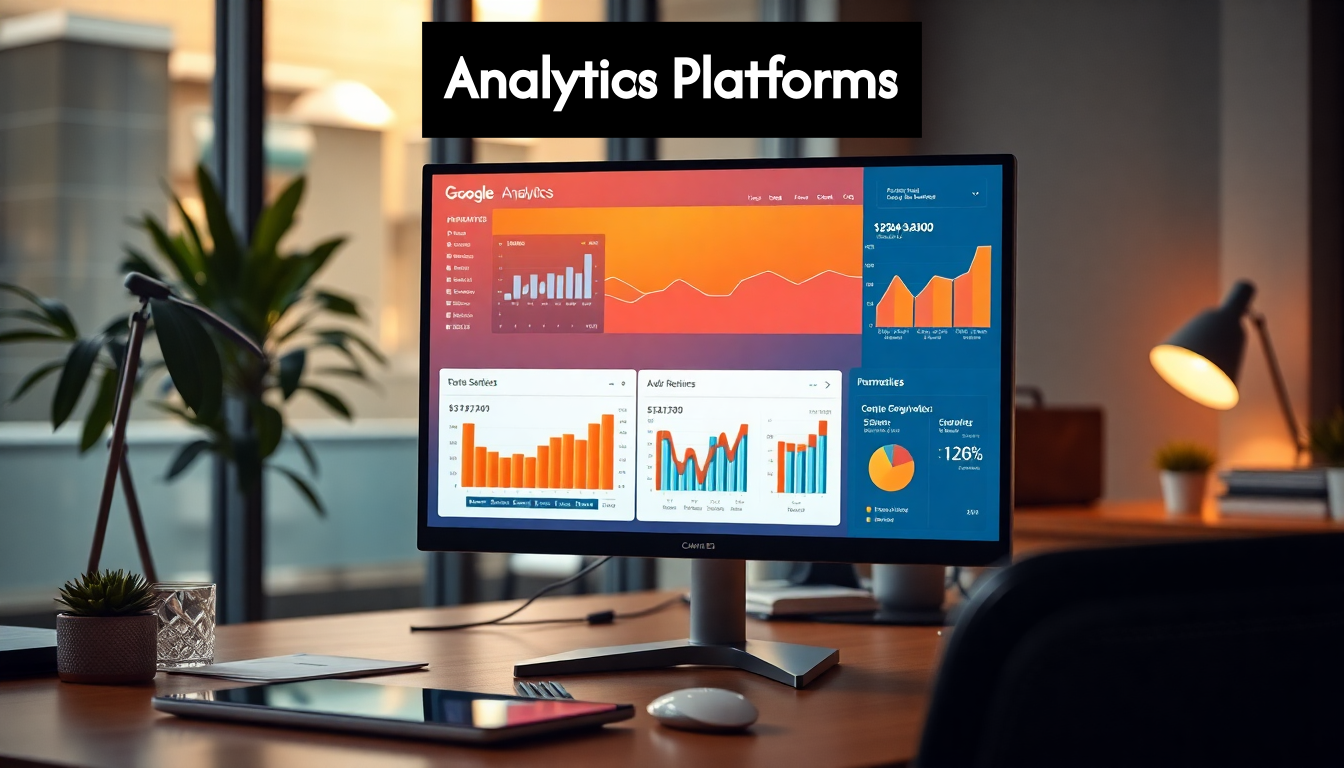
Google Analytics stands as the foundation of website traffic analysis. This free tool offers comprehensive insights into your organic search traffic patterns, user behavior, and conversion metrics. When properly configured, Google Analytics reveals which keywords drive visitors to your site, which pages perform best in search results, and how organic visitors interact with your content.
Google Search Console works as the perfect companion to Google Analytics. While Analytics shows you what happens after users reach your site, Search Console provides crucial pre-click data about your search performance. It reveals your average position in search results, click-through rates, and even specific queries that trigger your listings. This information helps identify optimization opportunities you might otherwise miss.
For competitive analysis and more advanced SEO [insights](https://fantomtraffic.com/insights/), specialized tools like Semrush or Ahrefs provide valuable perspective. According to [research from Semrush](https://www.semrush.com/blog/website-traffic-analysis-tools/), these platforms allow you to analyze not just your own traffic but also competitor performance, giving you benchmark data to inform your strategy.
### Key Metrics to Monitor
When analyzing your Google organic search traffic, focus on these essential metrics:
-**Organic traffic volume**– Track overall trends and seasonal patterns in your unpaid search visitors
- Organic conversion rate – Measure how effectively this traffic accomplishes your site goals
- Landing page performance – Identify which pages attract the most organic visitors
- Geographic distribution – Understand where your search visitors are located
Beyond these basics, look deeper at engagement metrics like time on page, pages per session, and bounce rate specifically for organic search visitors. These indicators help determine whether your content meets the expectations of search users.
### Setting Up Effective Tracking
To maximize the value of your analytics tools, proper configuration is essential. Start by ensuring your Google Analytics and Search Console accounts are correctly linked. This connection allows data to flow between the platforms, giving you more complete insights.
Implement clear goal tracking in your analytics to measure meaningful conversions from organic search. Whether you’re tracking newsletter signups, product purchases, or content downloads, defining these actions helps you understand the true business impact of your organic traffic.
Create custom segments and dashboards focused specifically on organic search performance. This organization makes it easier to monitor trends, spot anomalies, and generate reports that demonstrate the value of your SEO efforts to stakeholders.
Regular analysis of your organic search data allows you to identify content opportunities, troubleshoot traffic drops, and quantify the impact of your optimization efforts. By mastering these analytics tools, you’ll develop a clearer picture of how users find and interact with your site through Google organic search.
## Improving SEO for Organic Growth
Building sustainable Google organic search traffic requires a strategic approach to SEO. By implementing proven optimization techniques, you can improve your site’s visibility in search results and attract more qualified visitors.
### Aligning Content with Search Intent
One of the most powerful strategies for boosting organic traffic is creating content that perfectly matches user search intent. According to [research from HawkSEM](https://hawksem.com/blog/proven-strategies-to-increase-organic-website-traffic/), focusing on user intent rather than simply targeting high-volume keywords leads to more meaningful traffic growth.
Start by categorizing keywords based on the searcher’s goal. Is the user looking for information (informational intent), researching products (commercial intent), or ready to make a purchase (transactional intent)? Each type of intent requires different content approaches.
For informational queries, create comprehensive guides, how-to articles, and explanatory content that thoroughly answers user questions. For commercial intent, develop comparison pages, reviews, and detailed product information. Transactional keywords should lead to optimized product pages with clear calls to action.
When your content precisely matches what users are seeking, Google is more likely to rank it prominently in search results, increasing your organic traffic over time.
### Technical SEO Foundations
Even the best content won’t perform well if your site has technical issues that prevent search engines from properly crawling and indexing it. Invest time in establishing solid technical SEO foundations:
- Ensure your site loads quickly on all devices
- Implement a secure HTTPS connection
- Create a logical site structure with clear navigation
- Use a mobile-friendly, responsive design
- Fix broken links and crawl errors
Regularly audit your site using tools like Google Search Console to identify and resolve technical issues before they impact your rankings. Pay special attention to Core Web Vitals, as these performance metrics directly influence how Google evaluates your site’s user experience.
### Content Quality and Publishing Strategy
Consistent, high-quality content remains the cornerstone of sustainable [organic traffic growth](https://fantomtraffic.com/searchseo-alternative/). Rather than focusing solely on quantity, prioritize creating content that thoroughly addresses user needs and provides genuine value.
Develop a strategic publishing calendar that targets a mix of competitive and long-tail keywords. While high-volume keywords might be difficult to rank for initially, long-tail phrases with lower competition can drive valuable targeted traffic as you build authority.
Regularly refresh and update existing content to keep it relevant and comprehensive. Adding new information, improving readability, and enhancing visual elements can revitalize older content and improve its search performance.
### Building Authority Through Backlinks
High-quality backlinks remain one of Google’s most important ranking factors. Focus on earning links from relevant, authoritative websites in your industry through valuable content, expert insights, and relationship building.
Develop linkable assets such as original research, comprehensive guides, or unique tools that naturally attract links. Promote these assets through outreach to industry publications, relevant blogs, and social media channels.
Remember that a few high-quality backlinks from trusted domains typically provide more SEO value than numerous links from low-authority sites. Prioritize link quality over quantity to build sustainable ranking power.
By implementing these SEO strategies consistently, you’ll create a foundation for continuous organic traffic growth. The key is to focus on providing genuine value to users while ensuring your technical implementation makes it easy for search engines to understand and rank your content.
## Advanced GA4 Analysis Techniques
Google Analytics 4 (GA4) represents a significant evolution in how you can analyze organic search traffic. By leveraging GA4’s enhanced capabilities, you can extract deeper insights about your visitors and optimize your SEO strategy with greater precision.
### Creating Custom Reports for Organic Traffic
One of GA4’s most powerful features is its flexible reporting system. Unlike Universal Analytics’ predefined reports, GA4 allows you to build custom reports tailored specifically to your organic search analysis needs.
Start by creating a custom report focused exclusively on organic search traffic. In the Explore section of GA4, select a blank template and add dimensions like landing page, country, and device. Then add metrics such as engaged sessions, conversion events, and average engagement time. This combination provides a comprehensive view of how organic visitors interact with your site.
According to [research from Trackingplan](https://www.trackingplan.com/guides/advanced-data-analysis-techniques-ga4), GA4’s enhanced integration with Google’s machine learning capabilities enables more predictive insights than ever before. These predictions can help you identify which organic traffic segments have the highest potential value for your business.
### Segmentation for Deeper Organic Insights
GA4’s advanced segmentation capabilities allow you to isolate specific subsets of your organic traffic for detailed analysis. Create segments based on:
- First-time vs. returning organic visitors
- Organic visitors who completed specific events
- Organic traffic from different search engines
- Visitors who arrived through specific keyword themes
By comparing these segments, you can uncover patterns that reveal which types of organic visitors are most valuable to your business. For example, you might discover that organic visitors from mobile devices convert at a higher rate for certain product categories, allowing you to prioritize mobile optimization for those pages.
### User Journey Analysis with Exploration Techniques
GA4’s Exploration reports help you visualize how organic search visitors navigate through your site. The Path Exploration technique is particularly valuable for SEO, as it reveals the most common paths users take after landing on your site from organic search results.
Use this insight to optimize your internal linking strategy. If you notice that organic visitors frequently navigate from blog posts to specific product pages, you can strengthen those connections to improve conversion rates.
The Funnel Exploration technique helps identify where organic visitors drop off in your conversion process. By comparing conversion funnels between organic traffic and other sources, you can pinpoint specific steps that need optimization for search visitors.
### Cohort Analysis for Organic Traffic Retention
GA4’s cohort analysis capabilities allow you to track how organic visitors engage with your site over time. Create cohorts based on acquisition date to see how well your site retains organic visitors compared to other traffic sources.
This longitudinal view is invaluable for content strategy. You might discover that visitors who find your site through certain types of content (like in-depth guides or tutorials) are more likely to return, indicating topics worthy of further investment.
By mastering these advanced GA4 analysis techniques, you’ll gain a competitive edge in understanding and optimizing your Google organic search traffic. The platform’s flexible data model and machine learning capabilities enable you to move beyond basic traffic metrics to truly understand the quality and behavior of your organic visitors, allowing for more strategic SEO decisions.
## Frequently Asked Questions
#### What is Google organic search traffic?
Google organic search traffic refers to visitors who find your website through unpaid search results on Google. This type of traffic is highly valuable as it tends to be more targeted than paid advertising, leading to higher engagement and conversions.
#### Why is organic traffic more valuable than paid traffic?
Organic traffic is more valuable because it is cost-effective in the long term, attracts high-intent visitors actively searching for your content, and builds lasting value. Unlike paid ads, which stop generating traffic when payment ends, organic visibility continues to work for your site 24/7.
#### How can I improve my website’s organic search traffic?
To improve your organic search traffic, focus on creating high-quality content that matches user search intent, optimizing your site for technical SEO, and utilizing analytics tools like Google Analytics and Google Search Console for tracking performance. Building authoritative backlinks can also enhance your website’s visibility.
#### What metrics should I monitor in Google Analytics for organic traffic?
Key metrics to monitor include organic traffic volume, organic conversion rate, landing page performance, and user engagement metrics like average session duration and bounce rate. These insights help you optimize your content strategy effectively.
## Unlock the Secrets to Sustainable Traffic Growth!
Are you tired of creating amazing content only to see it lost among the digital noise? As highlighted in our article on boosting Google organic search traffic, aligning your content with user intent and ensuring solid technical foundations are vital steps for achieving higher engagement and conversions. Yet, even the best SEO strategies can falter without targeted and verified traffic. This is where**Fantom Traffic**steps in.

Imagine transforming your website into a beacon for high-intent visitors who are actively searching for solutions like yours. With Fantom Traffic, you don’t just get generic clicks; you gain**guaranteed, targeted organic traffic**that is verified through analytics tools like Google Analytics 4 and Ahrefs.**Our unique, step-by-step campaign setup**ensures you target the right audience, enhance your SEO metrics, and watch your organic growth soar—all with the support of a dedicated team committed to your success.
Why wait? Start experiencing measurable increases in your web traffic and watch your site climb the SERPs.**Take the leap today! Visit [Fantom Traffic](https://fantomtraffic.com) and elevate your traffic game now!**
---
## Posts: Organic Search Made Simple: Boost Your Website Traffic
**URL:** [https://fantomtraffic.com/organic-search-made-simple-boost-your-website-traffic/](https://fantomtraffic.com/organic-search-made-simple-boost-your-website-traffic/)
**Markdown URL:** [https://fantomtraffic.com/organic-search-made-simple-boost-your-website-traffic.md](https://fantomtraffic.com/organic-search-made-simple-boost-your-website-traffic.md)
**Published:** 2025-04-13
**Last Updated:** 2025-05-02
**Author:** derek.l.eldridge@gmail.com
**Categories:** Organic Traffic
**Tags:** Boost Organic Traffic, Organic Search, SEO traffic, Website traffic
### Content

Organic search is the lifeblood of your website’s traffic—accounting for nearly 70-80% of user clicks compared to paid ads. But here’s the surprising part: despite the buzz around paid campaigns, they often yield less trust and engagement. The real killer is that while paid ads vanish the moment you stop funding them, effective organic search can deliver lasting results that compound over time. Mastering this could change your entire digital strategy.
## Understanding Organic Search Fundamentals
[Organic search is the backbone of sustainable website traffic](https://fantomtraffic.com/how-to-buy-organic-traffic/). Unlike paid advertisements that disappear when you stop funding them, organic search results represent the natural, earned visibility your website achieves in search engines based on relevance and quality. Understanding these fundamentals can transform your digital presence and deliver long-term growth.
### What Is Organic Search?
Organic search refers to the unpaid listings that appear on search engine results pages (SERPs) after a user enters a query. These results are determined by complex algorithms that assess hundreds of factors to deliver the most relevant content. According to [research from Crowdspring](https://www.crowdspring.com/blog/organic-traffic/), organic traffic is particularly valuable for small businesses and startups because it’s essentially free website traffic that comes from search engines without paying for ads.
When someone searches for “best coffee makers” or “how to fix a leaky faucet,” the non-advertisement results they see are organic search results. These listings earn their positions through relevance, authority, and user experience rather than monetary investment.
Organic search differs fundamentally from paid search in both longevity and cost-effectiveness. While paid search can deliver immediate visibility, it’s temporary and often more expensive in the long run. Organic search optimization requires upfront investment in content and technical improvements but builds lasting value and visibility.
### Why Organic Search Matters
Organic search dominates digital discovery. Studies consistently show that approximately 70-80% of users focus exclusively on organic results, skipping past paid advertisements. This behavior underscores why investing in organic search strategies delivers superior long-term value.
Beyond mere visibility, organic search traffic often delivers higher quality visitors to your website. These users actively sought information related to your content, products, or services, making them more likely to engage meaningfully with your site. This targeted traffic typically results in:
-**Higher conversion rates**from visitors who found exactly what they were searching for
- Increased brand credibility and trust from appearing in natural search results
- More sustainable [traffic patterns](https://fantomtraffic.com/searchseo-alternative/) that don’t disappear when ad budgets run dry
### Key Factors Influencing Organic Search Ranking

Search engines evaluate numerous elements when determining organic rankings. Understanding these factors helps you create content and website experiences that naturally rise to the top of search results.
Content relevance remains the foundation of organic search success. Search engines analyze how well your content addresses the user’s search intent – whether they’re looking to learn something, find a specific website, or make a purchase. Matching your content precisely to what users are seeking dramatically improves organic visibility.
Technical SEO factors like site speed, mobile-friendliness, and secure connections (HTTPS) also significantly impact organic rankings. Search engines prioritize websites that offer excellent user experiences across all devices.
Backlinks continue to serve as digital votes of confidence. When reputable websites link to your content, search engines interpret those connections as endorsements of your authority and relevance. Building quality backlinks remains one of the most powerful ways to improve organic search positioning.
By mastering these organic search fundamentals, you position your website to attract sustainable, targeted traffic that grows in value over time. Unlike paid strategies that require continuous investment, successful organic search optimization creates a self-reinforcing cycle of visibility that compounds as your site’s authority increases.
## Key Takeaways
| Takeaway | Explanation |
| --- | --- |
|**Understand Organic Search Fundamentals**| Organic [search is a sustainable traffic](https://fantomtraffic.com/organic-traffic/boost-google-organic-search-traffic-with-proven-seo-tips/) source that earns visibility based on content relevance and quality rather than paid investments. |
|**Focus on Content Relevance and Quality**| Creating valuable, comprehensive content tailored to user intent significantly enhances organic search rankings and traffic quality. |
|**Implement Technical SEO Best Practices**| Ensure your site is optimized for speed, mobile-friendliness, and has secure connections to improve crawling and indexing by search engines. |
|**Leverage Backlinking for Authority**| Building quality backlinks from reputable sources enhances your site’s perceived authority, crucial for improving organic rankings. |
|**Track and Measure SEO Performance**| Establish clear benchmarks and utilize analytics tools to monitor organic traffic, engagement, and conversion metrics for continuous improvement. |
## Boosting Website Visibility with Organic Search
Now that you understand what organic search is and why it matters, let’s focus on actionable strategies to boost your website’s visibility in search engine results. Improving your organic search performance isn’t just about climbing rankings—it’s about connecting your content with the right audience at the right moment.
### Building Content That Ranks
Content remains the cornerstone of organic search success. Creating valuable, relevant content that addresses user needs is essential for visibility. According to [research from Seer Interactive](https://www.seerinteractive.com/insights/10-ways-to-improve-organic-search-rankings-on-google?redirect_from=%2Fblog%2F10-ways-to-improve-organic-search-rankings-on-google), developing content hubs—interconnected pieces that comprehensively cover specific topics—significantly improves organic search rankings by establishing your site as an authority.
When creating content for organic search, focus on answering specific questions your target audience is asking. This approach aligns perfectly with how modern search engines work. They prioritize content that provides clear, direct answers to user queries. Analyze the “People Also Ask” sections in Google search results to identify common questions related to your industry or products.
The depth and quality of your content directly impacts your organic search performance. Comprehensive articles that thoroughly explore topics typically outperform thin content. Aim for depth without unnecessary padding—every sentence should provide value to the reader.
### Keyword Strategy for Organic Search Success
Effective keyword research remains fundamental to organic search visibility. Rather than targeting only high-volume terms with intense competition, develop a balanced keyword strategy that includes:
-**Primary keywords**with significant search volume relevant to your core offerings
-**Long-tail keywords**that are more specific but have less competition
-**Semantic variations**that capture different ways users might search for similar information
Analyze your current rankings to identify “striking distance” keywords—terms where you’re ranking on the second or third page of results. These represent opportunities where minor optimization could yield significant visibility improvements.
When implementing keywords, focus on natural integration rather than forced placement. Search engines penalize keyword stuffing while rewarding content that seamlessly incorporates relevant terms within valuable information. Prioritize user experience first, with keywords serving as signposts rather than the destination.
### Technical Optimization for Improved Visibility

Even exceptional content struggles to rank when technical barriers prevent search engines from properly crawling and indexing your site. Technical SEO provides the foundation for organic search success.
Site speed has become increasingly important for organic rankings. Users abandon slow-loading sites, and search engines recognize this behavior. Optimize image sizes, leverage browser caching, and consider implementing a content delivery network (CDN) to improve loading times across all devices.
Mobile optimization is non-negotiable for organic search visibility. With mobile searches comprising the majority of all queries, search engines prioritize sites that deliver excellent mobile experiences. Ensure your site uses responsive design that adapts seamlessly to all screen sizes.
Structured data markup helps search engines understand your content context, potentially earning enhanced listings with rich snippets. These eye-catching results typically generate higher click-through rates from organic search results.
### Building Authority Through Quality Backlinks
Backlinks remain powerful indicators of website authority and relevance. Rather than pursuing quantity, focus on acquiring quality backlinks from reputable sites in your industry. A few links from authoritative sources typically outweigh dozens from irrelevant or low-quality sites.
Develop link-worthy content that naturally attracts backlinks by providing exceptional value—comprehensive guides, original research, or innovative perspectives that industry publications want to reference. Complementing this passive approach with strategic outreach to relevant sites amplifies your link-building effectiveness.
Remember that organic search visibility builds over time. While paid advertising delivers immediate but temporary visibility, organic search represents a compounding investment. Each improvement builds upon previous work, creating a sustainable foundation for long-term website traffic growth that continues delivering value long after implementation.
## Content Optimization for Organic Search
Content optimization is the process of refining your website content to maximize its visibility in organic search results while providing exceptional value to your audience. This strategic approach goes beyond simple keyword insertion to create content that genuinely serves user needs while signaling relevance to search engines.
### Understanding Search Intent
At the core of effective content optimization lies a deep understanding of search intent—what users are truly looking for when they type specific queries. Search engines have become increasingly sophisticated at recognizing and prioritizing content that best satisfies the underlying purpose behind searches.
Four primary types of search intent drive most queries:
-**Informational intent**where users seek knowledge or answers
-**Navigational intent**when searchers look for specific websites or pages
-**Commercial intent**as users research products before purchasing
-**Transactional intent**when people are ready to make a purchase or complete an action
Analyzing the current top-ranking results for your target keywords reveals which type of intent search engines associate with those terms. This analysis should influence everything from your content format to depth and presentation. For example, informational queries might require comprehensive guides, while transactional searches need clear product details and purchase paths.
### Refreshing Existing Content
Content optimization isn’t limited to creating new material. In fact, updating existing content often delivers remarkable results with less effort. According to [research from HubSpot](https://blog.hubspot.com/marketing/content-optimization), optimizing older content produced an impressive 106% average increase in organic views. Their analysis also revealed that content older than 571 days tends to experience a significant performance drop.
When refreshing existing content, focus on:
- Updating statistics, references, and examples to current standards
- Expanding content depth to cover topics more comprehensively
- Improving readability with better formatting and visual elements
- Ensuring all information remains accurate and relevant
Regular content audits help identify high-potential pages for optimization. Prioritize updating content that already receives some organic traffic but has declined in performance, targets valuable keywords, or addresses topics with renewed relevance.
### On-Page Optimization Techniques
On-page optimization involves strategic adjustments to individual content pieces to improve their search visibility and user experience. These techniques help search engines better understand your content while making it more accessible to readers.
Title tags remain critical for organic search performance. Craft titles that include your primary keyword naturally while compelling clicks from search users. Aim for title tags between 50-60 characters to ensure complete display in search results.
Meta descriptions don’t directly impact rankings but significantly influence click-through rates. Write concise, benefit-focused descriptions under 155 characters that include your target keyword and prompt searchers to visit your page.
Header tags (H1, H2, H3) organize your content hierarchically, improving both readability and search engine understanding. Use your primary keyword in your H1 (only use one per page) and incorporate related keywords in subheadings to signal topical relevance.
Image optimization improves [page load speed while creating additional ranking](https://fantomtraffic.com/seo/page-rank-meaning-explained-a-simple-seo-guide/) opportunities. Compress images appropriately, use descriptive filenames, and include alt text that describes the image while naturally incorporating relevant keywords.
### Creating Comprehensive, Authoritative Content
Search engines increasingly favor comprehensive content that thoroughly addresses user queries. This preference doesn’t necessarily mean longer content—it means complete content that leaves no important questions unanswered.
To create truly comprehensive content:
1. Research what top-ranking pages for your target keyword include
2. Identify questions and subtopics they address (and any they miss)
3. Develop an outline that covers all relevant aspects of the topic
4. Create content that addresses each point thoroughly without unnecessary padding
Demonstrate expertise, authoritativeness, and trustworthiness (E-A-T) throughout your content. Include citations to reputable sources, showcase your credentials when relevant, and ensure factual accuracy throughout. These elements signal to both users and search engines that your content deserves visibility.
### Optimizing for Featured Snippets
Featured snippets—the highlighted answer boxes at the top of many search results—represent prime organic search real estate. Structuring your content to earn these positions can dramatically increase visibility and traffic.
To optimize for featured snippets, identify common questions related to your target keywords and provide clear, concise answers. Format these answers effectively using paragraph text for definitions, ordered lists for processes, or tables for comparisons. Place these optimized sections near the top of your content for best results.
Remember that content optimization is an ongoing process rather than a one-time effort. Search patterns evolve, competitors improve their content, and search engines refine their algorithms. Regular analysis and adjustment ensure your content continues performing well in organic search results while delivering maximum value to your audience.
## Measuring Organic Search Performance Effectively
To improve your organic search performance, you need to measure it accurately. Without proper tracking and analysis, your SEO efforts are essentially educated guesswork. Implementing a robust measurement framework allows you to identify what’s working, what isn’t, and where to focus your optimization efforts for maximum impact.
### Setting Clear Benchmarks and Goals
Effective measurement begins with establishing specific, achievable goals for your organic search performance. According to [research from Antidote 71](https://blog.antidote71.com/how-to-measure-organic-search-performance-1), setting concrete benchmarks (such as a 20% increase in organic traffic within six months) provides clear direction for your SEO strategy and creates accountability.
When setting organic search goals, consider your broader business objectives. Your SEO metrics should align with and support these larger aims. For example:
- If your business goal is increasing revenue, track organic traffic to product pages and conversion rates
- If building brand awareness is the priority, focus on impressions and branded search volume
- If thought leadership matters most, measure organic traffic to educational content and engagement metrics
Establish both short-term milestones (monthly or quarterly targets) and longer-term objectives to maintain momentum while working toward significant improvements. Document your baseline metrics before implementing changes to accurately measure the impact of your optimization efforts.
### Essential Organic Search Metrics to Track
While dozens of potential metrics exist, focus on these core indicators to gain a comprehensive view of your organic search performance:**Visibility Metrics**- Organic traffic volume shows how many visitors arrive through unpaid search results
- Keyword rankings track your positions for target search terms
- Impression share reveals how often your site appears in relevant searches
- Click-through rate (CTR) indicates the percentage of impressions that result in clicks**Engagement Metrics**- Bounce rate shows the percentage of visitors who leave without further interaction
- Average session duration reveals how long visitors engage with your content
- Pages per session indicates depth of site exploration
- Scroll depth demonstrates how thoroughly users consume your content**Conversion Metrics**- Conversion rate from organic traffic measures goal completions
- Revenue attributed to organic search quantifies business impact
- Cost per acquisition compared to other channels demonstrates SEO efficiency
- Return on investment calculated against SEO resource allocation
The specific metrics you prioritize should align with your established goals and business model. An e-commerce site might focus heavily on revenue metrics, while an informational site might prioritize engagement metrics.
### Leveraging Analytics Tools Effectively
To gather these metrics, you’ll need appropriate analytics tools. Google Search Console provides invaluable data directly from Google about how your site performs in search results, including impressions, clicks, CTR, and average position for specific queries.
Google Analytics offers deeper insights into what happens after users arrive at your site. It tracks organic traffic volume, user behavior, and conversion data that helps connect SEO performance to business outcomes. For more advanced analysis, consider Google Analytics 4, which provides enhanced measurement capabilities.
Paid SEO tools like Semrush, Ahrefs, or Moz offer additional functionality, including competitive analysis, more comprehensive keyword tracking, and technical SEO auditing capabilities. These tools help identify opportunities and threats that might not be apparent through Google’s free tools alone.
Combining data from multiple sources provides the most comprehensive view of your organic search performance. Create custom dashboards that consolidate key metrics from different platforms for efficient monitoring and analysis.
### Analyzing Data for Actionable Insights
Collecting data is only valuable if you extract meaningful insights that guide your strategy. Regular analysis helps identify patterns, opportunities, and issues requiring attention.
Segment your data to uncover nuanced insights. Analyze organic performance by:
- Content categories or types
- User demographics and behaviors
- Device types (mobile vs. desktop)
- Geographic regions
- Landing pages
When analyzing keyword performance, look beyond ranking positions to understand the full picture:
- Which keywords drive the most valuable traffic?
- Where do you rank well but have low CTR?
- Which topics show growing search interest?
- What content gaps exist compared to competitors?
Connect your SEO data to broader business metrics to demonstrate the value of organic search. Track assisted conversions where organic search plays a role in the customer journey, even if it’s not the final touchpoint before conversion.
### Reporting and Iterating on Your Strategy
Transform your data analysis into clear, actionable reports that communicate value to stakeholders. Focus reports on outcomes rather than activities, highlighting the business impact of organic search improvements.
For executive audiences, emphasize high-level metrics tied to business goals, such as revenue generated, lead quality, and cost efficiencies. For SEO teams, include more granular metrics that guide [tactical decisions and optimization](https://fantomtraffic.com/organic-traffic/master-organic-optimization-simple-tactics-for-real-growth/) efforts.
Use reporting to identify strategic pivots and tactical adjustments:
1. Review performance against established goals and benchmarks
2. Identify successful strategies to expand and underperforming areas to address
3. Analyze changes in search trends and competitive positioning
4. Develop specific action items based on data insights
Establish a regular reporting cadence, typically monthly for tactical metrics and quarterly for strategic reviews. This consistent schedule ensures timely adjustments while allowing enough time for SEO changes to show measurable impact.
Remember that organic search is a long-term investment. While some changes yield quick results, significant improvements often take months to fully materialize. Maintain patience while continuously measuring, learning, and optimizing your approach based on performance data.
## Organic Search Versus Paid Advertising
When developing your [digital marketing](https://fantomtraffic.com/how-to-choose-the-best-website-traffic-provider-in-2025/) strategy, understanding the fundamental differences between organic search and paid advertising is crucial. Both approaches aim to increase your website’s visibility in search engines, but they operate on entirely different principles, timelines, and investment models.
### Key Differences in Visibility and Positioning
The most immediately apparent difference between organic and paid search lies in their placement on search engine results pages (SERPs). Paid advertisements typically appear at the top of the page, marked with an “Ad” designation, while organic results follow beneath them.
According to [research from Semrush](https://www.semrush.com/blog/organic-vs-paid-marketing/), this positioning difference significantly impacts user perception and interaction. Organic results often enjoy higher trust levels since users recognize these listings earned their positions through relevance and quality rather than financial investment.
While paid ads gain prime SERP real estate, multiple studies show that approximately 70-80% of users scroll past advertisements to focus on organic results. This behavior underscores why organic search remains the dominant traffic source for most websites despite the prominence of paid listings.
### Investment Models: Time vs. Money
Organic search and paid advertising represent different investment approaches. Paid search operates on a direct financial investment model—you pay for each click (PPC) or impression (CPM) your ads receive. This model delivers immediate visibility but requires continuous funding to maintain presence.
In contrast, organic search demands significant time and resource investment upfront but creates lasting value. While SEO might not deliver immediate results, the compounding benefits of organic optimization continue building over time without requiring payment for each visitor.
This distinction becomes particularly important when considering long-term strategy. Paid campaigns stop generating traffic the moment funding ends, while organic visibility persists and often grows even during periods of reduced activity.
### Timeline Expectations and ROI Patterns
Time-to-results represents another crucial difference between these approaches. Paid advertising offers nearly instantaneous visibility—launch a campaign today, and your ads can appear at the top of search results within hours. This immediate impact makes paid search invaluable for time-sensitive promotions, product launches, or quickly addressing traffic gaps.
Organic search follows a much longer timeline. Significant improvements typically require months of consistent effort before delivering substantial results. This extended timeline often discourages organizations seeking quick wins, but the long-term return on investment typically exceeds paid advertising when measured over years rather than weeks.
The ROI patterns reflect these different timelines. Paid search generally delivers consistent, predictable returns that correlate directly with spend. Organic search typically follows a “hockey stick” pattern—slow initial growth followed by accelerating returns as authority builds and rankings improve across numerous keywords.
### Target Audience and Intent Matching
Both approaches excel at connecting with users actively searching for relevant information, but they differ in targeting capabilities and intent matching.
Paid advertising offers precise targeting options—you can specifically target by demographics, geographic regions, time of day, and even previous interactions with your brand. This granular control helps ensure your messaging reaches exactly the right audience segments.
Organic search provides less direct targeting control but often excels at matching search intent when properly optimized. When your content thoroughly addresses user needs, search engines naturally display it for relevant queries, creating strong alignment between searcher goals and your provided solutions.
### The Ideal Approach: Strategic Integration
Rather than viewing organic and paid search as competing alternatives, most successful digital marketing strategies integrate both approaches to maximize overall search visibility.
Effective integration might include:
- Using paid search for immediate visibility while building organic rankings
- Targeting high-competition keywords with paid ads while focusing organic efforts on long-tail opportunities
- Retargeting organic visitors with paid ads to increase conversion rates
- Testing keyword effectiveness with paid campaigns before committing to extensive organic optimization
This complementary approach leverages the strengths of each method while mitigating their individual limitations. By analyzing performance data from both channels, you can continuously refine your integrated strategy to maximize overall search visibility and return on investment.
Ultimately, the question isn’t whether organic search or paid advertising is better—it’s how to strategically deploy both approaches to achieve your specific business objectives. Understanding the fundamental differences between these channels enables you to make informed decisions about resource allocation and performance expectations.
## Frequently Asked Questions
#### What is organic search?
Organic search refers to the unpaid listings that appear on search engine results pages (SERPs) based on the relevance and quality of the content, rather than paid advertisements.
#### Why does organic search matter for my website?
Organic search matters because it drives 70-80% of user clicks, provides lasting visibility, and attracts high-quality visitors who are actively seeking information related to your content or products.
#### How can I improve my website’s organic search ranking?
To improve your organic search ranking, focus on creating high-quality, relevant content, optimize your website’s technical aspects for speed and mobile-friendliness, and build quality backlinks from authoritative sites.
#### What are the key factors that influence organic search ranking?
Key factors influencing organic search ranking include content relevance, technical SEO elements like site speed and mobile optimization, and the quality of backlinks pointing to your site.
## Unlock the Power of Organic Traffic Today!
Feeling overwhelmed by the complexities of [boosting your website’s traffic](https://fantomtraffic.com/seo/unlock-ahrefs-traffic-simple-strategies-for-boosting-seo/)? The challenge of mastering organic search can feel daunting, especially when you’re competing for visibility among countless websites. As highlighted in our [insightful](https://fantomtraffic.com/insights/) article,**investing in effective organic search is essential for sustained website growth**, yet many businesses struggle to see real results without a solid strategy.

If you’re tired of watching your competitors rise while your traffic stagnates,**Fantom Traffic**is here to turn the tide. We specialize in**delivering high-quality, targeted organic traffic**crafted for businesses like yours that are eager to enhance**SEO metrics**and achieve measurable increases in web traffic. Our proprietary traffic generation process uses**real user behavior**and analytics verification methods, ensuring that your clicks translate into actual interactions. You deserve**safe, quality traffic**that will boost your**SEO rankings**and help you connect with your ideal audience—**starting at just a $1,000 investment**!**Don’t let another day go by with stagnant traffic.**Visit [https://fantomtraffic.com](https://fantomtraffic.com) and set up your campaign now to unlock your website’s full potential.**Act today, and embrace the power of verified organic traffic!**
---
## Posts: What Is Enterprise SEO? Simple Guide for Business Growth
**URL:** [https://fantomtraffic.com/what-is-enterprise-seo-simple-guide-for-business-growth/](https://fantomtraffic.com/what-is-enterprise-seo-simple-guide-for-business-growth/)
**Markdown URL:** [https://fantomtraffic.com/what-is-enterprise-seo-simple-guide-for-business-growth.md](https://fantomtraffic.com/what-is-enterprise-seo-simple-guide-for-business-growth.md)
**Published:** 2025-04-12
**Last Updated:** 2025-05-02
**Author:** derek.l.eldridge@gmail.com
**Categories:** SEO Traffic
**Tags:** Business growth, Enterprise SEO, SEO traffic
### Content

Enterprise SEO isn’t just another buzzword—it’s a game changer for large businesses navigating the intricate digital landscape. Imagine trying to optimize millions of web pages across multiple brands and countries. Sounds daunting, right? But here’s the twist: [mastering enterprise SEO can unlock significant growth](https://fantomtraffic.com/organic-traffic/master-seo-traffic-proven-strategies-to-boost-organic-growth/) opportunities and revenue. This isn’t just about climbing search rankings; it’s about aligning your digital presence with your core business goals for sustainable success.
## Defining Enterprise SEO Concepts
Enterprise SEO represents a specialized approach to search engine optimization designed specifically for large-scale businesses with complex digital ecosystems. Unlike standard SEO practices suitable for small to medium-sized websites,**enterprise search engine optimization**addresses the unique challenges that come with managing thousands—sometimes millions—of web pages while maintaining consistent optimization across multiple departments, brands, or international markets.
### What Distinguishes Enterprise SEO
Enterprise SEO differs fundamentally from traditional SEO in both scale and complexity. Where traditional SEO might focus on optimizing a few hundred pages, enterprise SEO tackles websites with massive page counts, intricate hierarchies, and distributed content ownership. This scale demands specialized strategies, tools, and governance structures.
According to [Ignite Visibility](https://ignitevisibility.com/enterprise-seo/), enterprise SEO requires advanced orchestration skills and comprehensive project management—it’s not simply about scaling up standard SEO tactics. The organizational complexity often means SEO teams must collaborate with numerous departments including IT, marketing, product teams, and executive leadership to implement effective strategies.

### Core Elements of Enterprise SEO
The definition of enterprise SEO encompasses several key components that distinguish it from standard optimization practices:
#### Technical Infrastructure Management
Enterprise websites typically operate on complex technical infrastructures with custom CMSs, multiple subdomains, and intricate site architectures.**Enterprise SEO optimization**requires specialized technical expertise to address crawlability issues, indexation challenges, and site performance at scale.
#### Cross-Departmental Coordination
Unlike smaller organizations where a single person might handle all SEO responsibilities, enterprise SEO necessarily involves coordination across numerous teams. SEO professionals in enterprise environments often function as internal consultants, educating various departments on SEO best practices while ensuring consistent implementation across the organization.
#### Automated Processes and Scalable Solutions
The sheer volume of content in enterprise environments necessitates automation. Enterprise SEO professionals develop systems for automated optimization, reporting, and monitoring to manage thousands of pages efficiently. This might include programmatic title tag generation, automated internal linking structures, or algorithmic content recommendations.
#### Brand Protection and Reputation Management
For enterprise organizations, search results directly impact brand perception and customer trust. Enterprise SEO strategies integrate brand protection elements, ensuring consistent messaging, accurate information display in search results, and swift management of potential reputation issues.
### Who Needs Enterprise SEO?
Enterprise SEO strategies are typically necessary for:
- Fortune 500 companies managing extensive digital properties
- E-commerce platforms with tens of thousands of product pages
- Multi-location businesses with numerous local landing pages
- Global organizations operating across multiple countries and languages
- Financial, healthcare, and educational institutions with complex compliance requirements
### The Strategic Value Proposition
The definition of**enterprise level SEO**extends beyond technical optimization—it represents a strategic business function. For large organizations, even modest improvements in search visibility can translate to significant revenue gains. Enterprise SEO doesn’t just drive traffic; it aligns search performance with broader business objectives, creating measurable impact on key performance indicators.
Enterprise SEO serves as both a defensive and offensive strategy: protecting established search positions while identifying opportunities for growth. This dual function makes it particularly valuable in competitive markets where search visibility directly influences market share.
Understanding what**enterprise SEO**truly encompasses requires recognizing its position as a systemic business approach rather than a tactical marketing channel. It’s about creating sustainable organic search visibility that scales with the organization and adapts to evolving search ecosystems.
## Key Takeaways
| Takeaway | Explanation |
| --- | --- |
|**Enterprise SEO requires cross-departmental coordination**| Effective enterprise SEO involves collaboration between multiple departments, including IT, marketing, and executive leadership, to align and implement SEO best practices consistently across the organization. |
|**Technical optimization is critical for large-scale sites**| Managing complex technical infrastructures, ensuring crawlability, and improving site performance are key components of enterprise SEO, demanding specialized technical expertise. |
|**Sustainable organic traffic growth leads to reduced customer acquisition costs**| Enterprise SEO initiatives contribute to lowering the costs associated with acquiring customers over time, enhancing the cost-effectiveness of organic search as a channel. |
|**Advanced analytics are essential for measuring impact**| Enterprise SEO relies on sophisticated analytics and custom reporting frameworks to connect search performance with business outcomes, ensuring the visibility of SEO’s contribution to revenue. |
|**Risk management strategies are crucial**| Establishing proactive monitoring and preparation for algorithm updates helps protect enterprise sites from potential traffic losses and ensures algorithm resilience. |
## Core Elements of Enterprise SEO
Enterprise SEO encompasses several foundational elements that work together to create a comprehensive optimization strategy for large organizations. Understanding these core components is essential for implementing effective**enterprise SEO strategies**that drive meaningful business results.
### Technical Infrastructure Optimization
The technical foundation of enterprise websites presents unique challenges due to their scale and complexity. Enterprise sites typically feature custom content management systems, multiple subdomains, international versions, and intricate site architectures that can create significant technical SEO hurdles.
Technical optimization for enterprise sites focuses on:
#### Site Architecture and Crawlability
Enterprise websites must maintain logical, scalable site structures that facilitate efficient crawling and indexing. This includes implementing proper URL hierarchies, optimizing XML sitemaps for massive page collections, and creating strategic internal linking patterns that distribute page authority effectively across the domain.
#### Page Speed and Core Web Vitals
Performance optimization becomes exponentially more challenging at enterprise scale. Large websites must implement advanced caching strategies, image optimization protocols, and server-side improvements to maintain competitive page speed metrics across thousands of pages.
#### Mobile Optimization
With mobile-first indexing now standard, enterprise sites must ensure responsive design implementation works consistently across their extensive page inventory. This often requires programmatic approaches to mobile optimization rather than page-by-page fixes.
### Content Strategy at Scale
Content represents both the greatest opportunity and the most significant challenge for**enterprise SEO**. Managing content across a massive digital ecosystem requires systematic approaches:
#### Content Governance and Quality Control
Enterprise organizations need established content governance frameworks that balance SEO requirements with brand standards. This includes creating centralized documentation, training programs, and approval workflows to ensure content consistency.
#### Content Auditing and Optimization
Regular content auditing becomes essential at enterprise scale. According to [Semrush](https://www.semrush.com/blog/enterprise-seo/), successful enterprise SEO requires systematic approaches to content maintenance, including grouping similar pages for batch updates, implementing templates for consistency, and prioritizing optimization efforts based on traffic and conversion potential.
#### Multilingual and Multi-Regional Content Management
Global enterprises must address the complexities of optimizing content across multiple languages, regions, and cultural contexts. This requires sophisticated hreflang implementation, localization strategies, and region-specific keyword research.
### Advanced Analytics and Data Processing**Enterprise search engine optimization**relies heavily on data-driven decision making, requiring more sophisticated analytics capabilities than standard SEO:
#### Custom Reporting and Dashboards
Enterprise SEO teams develop tailored reporting solutions that track performance across numerous site sections, product categories, and regional variants. These custom analytics frameworks connect SEO metrics directly to business outcomes and revenue impact.
#### Predictive Analysis and Trend Identification
Successful enterprise SEO requires the ability to detect emerging search trends and algorithm shifts that could impact large portions of the site. This involves pattern recognition across massive datasets and the capacity to model potential search behavior changes.
#### Competitive Intelligence at Scale
Enterprise [organizations must monitor competitive positioning across thousands of keywords](https://fantomtraffic.com/organic-traffic/what-is-organic-keyword-a-simple-guide-for-seo-success/) and multiple market segments. This requires specialized tools and methodologies for comprehensive competitive analysis.
### Cross-Functional Integration
Perhaps the most distinctive element of**enterprise SEO marketing**is its integration across organizational functions:
#### IT and Development Collaboration
Enterprise SEO professionals work closely with IT departments to ensure technical SEO requirements are incorporated into development roadmaps, platform migrations, and infrastructure decisions.
#### Executive Alignment and Education
Successful enterprise SEO requires executive understanding and support. This means translating technical SEO concepts into business impact language and connecting optimization efforts to corporate objectives.
#### Marketing Channel Integration
Enterprise SEO strategies integrate with paid search, content marketing, social media, and PR initiatives to create cohesive [digital marketing](https://fantomtraffic.com/how-to-choose-the-best-website-traffic-provider-in-2025/) approaches. This cross-channel alignment maximizes the impact of all marketing investments.
### Automation and Workflow Efficiency
The scale of enterprise websites necessitates automation to implement SEO effectively:
#### Programmatic SEO Implementations
Enterprise organizations develop custom scripts and tools for programmatic SEO implementations, such as automated meta tag generation, structured data creation, and internal link management across thousands of pages.
#### Workflow Systems and Project Management
Successful**enterprise seo optimization**requires sophisticated project management systems that track optimization tasks, coordinate cross-team dependencies, and measure implementation progress across large-scale initiatives.
### Risk Management and Brand Protection
Finally, enterprise SEO must incorporate robust risk management strategies:
#### Algorithm Update Preparation
Enterprise sites have more at stake during major algorithm updates. Proactive monitoring, testing, and contingency planning become essential components of enterprise SEO strategy.
#### Reputation Management and SERP Positioning
Protecting brand terms and managing how the organization appears in search results requires dedicated monitoring and rapid response capabilities.
These core elements work together to form a comprehensive**enterprise SEO strategy**that addresses the unique challenges and opportunities of large-scale websites. By systematically implementing these components, enterprise organizations can achieve sustainable organic search performance that delivers measurable business value.
## Enterprise SEO Advantages for Businesses
Implementing a robust**enterprise SEO strategy**delivers substantial competitive advantages for large organizations. These benefits extend far beyond basic visibility improvements, creating lasting business value across multiple dimensions of organizational performance.
### Sustainable Organic Traffic Growth
Unlike paid advertising that stops delivering results when campaigns end, enterprise SEO creates sustainable organic traffic growth that compounds over time. This cumulative effect represents one of the most significant**benefits of enterprise SEO**for large businesses:
#### Reduced Customer Acquisition Costs
As organic search visibility improves, the cost to acquire customers decreases substantially. While paid search remains valuable for immediate visibility, the long-term cost-efficiency of organic traffic provides enterprise businesses with significant financial advantages. Enterprise organizations often find that their most profitable customer segments come through organic search channels, as these users typically enter the conversion funnel with higher purchase intent and trust levels.
#### Protection Against Market Volatility
A well-established organic presence provides insulation against market fluctuations and competitive disruptions. When economic conditions fluctuate, businesses often reduce advertising budgets, making the stable traffic from**enterprise search engine optimization**particularly valuable during uncertain times.
### Brand Authority and Market Positioning**Enterprise SEO**significantly enhances brand perception and market positioning:
#### Enhanced Credibility and Trust
Dominant organic search visibility across industry topics signals expertise and authority to potential customers. When enterprise businesses consistently appear in top positions for high-value industry terms, they establish themselves as trusted resources in their space. This perception extends beyond search results, influencing overall brand perception and consumer confidence.
#### Expanded Market Reach
Strategic**enterprise SEO optimization**expands market reach by capturing traffic across the entire customer journey—from early awareness phases through consideration and decision stages. This comprehensive coverage ensures the brand remains visible at each decision point, providing multiple opportunities to influence potential customers.
### Competitive Intelligence and Market Insights
A sophisticated**enterprise SEO**program generates valuable business intelligence:
#### Customer Behavior Analytics
Enterprise SEO data reveals powerful insights about customer interests, pain points, and decision-making patterns. By analyzing search behavior across thousands of keywords, enterprises gain unprecedented visibility into what their target audience truly wants, allowing them to develop more targeted products and services.
#### Competitive Positioning Awareness
Comprehensive keyword tracking and SERP analysis provide real-time intelligence about competitive positioning and market shifts. This visibility helps enterprises identify emerging competitors, track competitive strategies, and recognize industry trends before they become mainstream.
### Operational Efficiency and Performance Improvements
The process of implementing**enterprise search engine optimization**drives broader operational improvements:
#### Content Ecosystem Refinement
Enterprise SEO necessitates systematic content auditing and governance, which improves overall content quality and performance. This ongoing refinement creates a more coherent user experience while eliminating redundant or outdated materials that could confuse potential customers.
#### Technical Infrastructure Enhancement
The technical requirements of enterprise SEO—site speed improvements, mobile optimization, structured data implementation—create better user experiences across all digital properties. These enhancements reduce bounce rates, increase engagement metrics, and improve conversion performance across all marketing channels, not just organic search.
### Business Scalability and Adaptability
A mature**enterprise SEO strategy**creates frameworks that support business growth and evolution:
#### Systemic Market Expansion Capability
Without needing to rebuild from scratch, enterprises with established SEO infrastructure can rapidly expand into new markets, regions, or product lines. The systems developed for enterprise SEO—content workflows, technical optimization protocols, measurement frameworks—provide scalable frameworks that can be applied to new business initiatives.
#### Algorithm Resilience
Large enterprises face disproportionate risk from search algorithm changes, as even minor traffic drops can represent millions in lost revenue. Comprehensive**enterprise SEO**programs create algorithm resilience through diversified keyword portfolios, technical excellence, and quality-focused content strategies.
### Revenue Impact and Performance Metrics
Perhaps the most compelling**benefit of enterprise SEO**is its direct impact on business performance metrics:
#### Improved Conversion Performance
Users who discover enterprises through organic search typically convert at higher rates than those from many other channels. The intent alignment between search queries and landing page content creates natural conversion paths that require less persuasion than interruption-based marketing.
#### Customer Lifetime Value Enhancement
Beyond initial conversions, customers acquired through organic search often demonstrate higher lifetime value. The trust established through authoritative search positioning carries through the customer relationship, increasing loyalty and reducing churn.
### Cross-Channel Marketing Amplification
Enterprise SEO enhances performance across other marketing channels:
#### Paid Search Efficiency
A strong organic presence allows for more strategic allocation of paid search budgets, focusing investment on areas where organic visibility is still developing or highly competitive. This complementary approach maximizes overall search visibility while optimizing marketing spend.
#### Content Marketing ROI
The keyword research and content optimization frameworks developed for enterprise SEO dramatically improve content marketing effectiveness. When content is created with clear search intent alignment, it naturally performs better across all distribution channels.
The comprehensive nature of these advantages explains why**enterprise SEO**has evolved from a tactical marketing channel into a strategic business function for large organizations. By addressing both immediate performance needs and long-term business objectives, enterprise SEO delivers multidimensional value that few other marketing investments can match.
## Overcoming Enterprise SEO Challenges
While the benefits of**enterprise SEO**are substantial, large [organizations face unique obstacles when implementing search optimization](https://fantomtraffic.com/organic-traffic/master-organic-optimization-simple-tactics-for-real-growth/) at scale. Understanding and addressing these challenges is essential for developing an effective**enterprise SEO strategy**.
### Organizational Complexity and Siloed Departments
Enterprise businesses typically operate with multiple departments that function independently, creating significant coordination challenges for SEO initiatives that require cross-functional collaboration.
#### Establishing Clear Governance Structures
Successful enterprise SEO requires establishing clear governance frameworks that define roles, responsibilities, and decision-making authority across the organization. This includes developing standardized processes for SEO implementation and creating centralized documentation accessible to all stakeholders.
#### Fostering Cross-Departmental Collaboration
According to [Ahrefs](https://ahrefs.com/blog/enterprise-seo-challenges/), large enterprises must overcome complex team structures by implementing systematic collaboration protocols between SEO teams, IT departments, content creators, and executive leadership. Regular cross-functional meetings, shared objectives, and integrated workflows help break down silos that would otherwise impede SEO progress.
#### SEO Education and Training
Many enterprise SEO challenges stem from knowledge gaps across teams. Implementing ongoing training programs that educate stakeholders about SEO principles and their relevance to specific departmental functions helps create a more cohesive approach to optimization efforts.
### Technical Infrastructure Complexities
Enterprise websites often operate on complex technical infrastructures that create unique SEO challenges:
#### Managing Multiple Platforms and CMSs
Large organizations frequently maintain multiple websites across various platforms and content management systems. This fragmentation complicates the implementation of consistent SEO standards and requires specialized approaches for each technical environment.
#### Site Migration and Consolidation Risks
Enterprise-level site migrations represent significant SEO risk, as even minor errors can impact thousands of pages simultaneously. Mitigating these risks requires comprehensive pre-migration audits, detailed redirect mapping, and post-migration monitoring protocols to quickly identify and address potential issues.
#### Crawl Budget Optimization
With thousands or millions of pages, enterprise websites must carefully manage search engine crawl budgets to ensure critical content is regularly indexed. This requires systematic approaches to URL parameter handling, strategic XML sitemap development, and regular crawl efficiency analysis.
### Content Management at Scale
Content represents both a major opportunity and significant challenge for**enterprise search engine optimization**:
#### Content Duplication and Cannibalization
Large websites often accumulate duplicate or highly similar content over time, particularly in product descriptions or location pages. Identifying and resolving these issues requires systematic content auditing and the implementation of canonical tags, content consolidation, or strategic rewrites.
#### Content Freshness and Relevance
Maintaining content freshness across thousands of pages presents logistical challenges for enterprise organizations. Developing content refresh calendars and prioritization frameworks helps focus resources on pages with the highest business impact.
#### Multilingual and International Content Management
Global enterprises must navigate the complexities of optimizing content across multiple languages and regions. This requires sophisticated hreflang implementation, localized keyword research, and cultural adaptation rather than simple translation.
### Resource Allocation and Prioritization
Enterprise organizations must make strategic decisions about where to focus their SEO resources:
#### Developing Data-Driven Prioritization Frameworks
With thousands of potential optimization opportunities, enterprise SEO requires systematic prioritization based on traffic potential, conversion impact, and implementation complexity. Developing scoring systems that objectively evaluate these factors helps focus resources where they’ll deliver maximum results.
#### Balancing Quick Wins and Strategic Initiatives
Effective**enterprise SEO optimization**requires balancing immediate performance improvements with longer-term strategic initiatives. Creating parallel workstreams for both quick wins and foundational projects helps maintain momentum while building sustainable competitive advantages.
#### Demonstrating ROI and Securing Resources
Competing for resources within large organizations requires clearly demonstrating SEO’s business impact. Developing comprehensive attribution models that connect SEO activities to revenue outcomes helps secure ongoing investment in search optimization initiatives.
### Algorithm Vulnerabilities and Risk Management
Enterprise websites face disproportionate risk from search algorithm changes due to their scale and visibility:
#### Developing Algorithm Resilience
Rather than reacting to individual updates, successful enterprise SEO programs develop algorithm resilience by focusing on fundamentals: exceptional user experience, high-quality content, technical excellence, and natural link acquisition. This balanced approach provides protection against algorithm volatility.
#### Implementing Early Warning Systems
Enterprises need sophisticated monitoring systems that can quickly detect potential algorithm impacts and identify affected site sections. These early warning systems allow for rapid response to unexpected ranking changes before they significantly impact business performance.
#### Diversification of Traffic Sources
While maintaining strong search visibility, enterprise businesses should strategically diversify their [traffic sources to reduce dependence on organic search](https://fantomtraffic.com/organic-traffic/boost-organic-search-traffic-the-ultimate-guide/). This balanced approach creates greater business stability during search volatility periods.
### Measurement and Analytics Complexity
Tracing the impact of SEO initiatives across large websites presents unique analytical challenges:
#### Developing Custom Attribution Models
Standard last-click attribution often undervalues SEO’s contribution to conversion paths. Enterprises need customized attribution models that accurately represent organic search’s role in the customer journey, particularly for businesses with complex sales cycles.
#### Creating Segmented Performance Analysis
Enterprises benefit from analyzing SEO performance across multiple dimensions: product categories, content types, user segments, and device categories. This granular analysis reveals insights that aggregate reporting would miss.
#### Integrating Multiple Data Sources
Comprehensive**enterprise SEO**measurement requires integrating data from multiple sources: analytics platforms, search console data, rank tracking tools, CRM systems, and customer feedback. Creating unified reporting dashboards that synthesize these inputs provides more accurate performance assessment.
### Executive Buy-In and Organizational Alignment
Perhaps the most significant challenge for**enterprise SEO**is securing and maintaining organizational commitment:
#### Translating Technical Concepts for Executive Audiences
SEO professionals must translate technical concepts into business language that resonates with executive leadership. Focusing on business outcomes rather than SEO metrics helps bridge this communication gap.
#### Aligning SEO Objectives with Business Goals
Successful enterprise SEO initiatives align explicitly with broader business objectives, whether revenue growth, market expansion, or cost reduction. This alignment helps secure executive support and resources for SEO initiatives.
#### Building Long-Term SEO Roadmaps
Developing comprehensive SEO roadmaps that outline both short-term improvements and long-term strategic initiatives helps maintain organizational commitment through leadership changes and business cycles.
Overcoming these challenges requires a systematic approach to**enterprise search engine optimization**that combines technical expertise, strategic thinking, and organizational leadership. By addressing these obstacles methodically, enterprise organizations can unlock the full potential of organic search as a business growth driver.
## Measuring Enterprise SEO Performance
Effective measurement forms the cornerstone of successful**enterprise SEO strategies**. For large organizations, tracking and analyzing performance requires sophisticated approaches that go beyond basic metrics to demonstrate real business impact and ROI.
### Business-Focused Performance Metrics
While traditional SEO metrics remain valuable, enterprise organizations must connect search performance to concrete business outcomes:
#### Revenue Attribution
At the enterprise level, SEO performance measurement must ultimately connect to revenue generation. This requires developing attribution models that accurately track how organic search traffic contributes to sales, leads, and customer acquisition. Advanced**enterprise SEO**programs implement multi-touch attribution models that recognize organic search’s role throughout the customer journey, not just at the final conversion point.
#### Customer Acquisition Cost (CAC)
Comparing the cost efficiency of organic search against other acquisition channels provides powerful justification for SEO investment. When properly measured,**enterprise SEO**typically delivers the lowest customer acquisition costs among digital marketing channels, especially when viewed over extended timeframes.
#### Customer Lifetime Value (LTV)
Beyond initial conversion, measuring the lifetime value of customers acquired through organic search reveals the long-term impact of**enterprise search engine optimization**. Many organizations discover that organic search not only delivers more customers but often attracts higher-value customers with greater loyalty and spending potential.
### Multi-Dimensional Visibility Metrics
Enterprise organizations require more nuanced visibility measurements than simple keyword rankings:
#### Share of Voice Analysis
Measuring total search visibility across thousands of relevant keywords provides a comprehensive view of market presence. This approach allows enterprises to track overall search market share compared to competitors and identify opportunities for expansion.
#### SERP Feature Capture
As search results become increasingly diverse, measuring presence in featured snippets, knowledge panels, local packs, and other enhanced results becomes essential. Sophisticated**enterprise SEO**programs track these opportunities systematically and measure capture rates across different search verticals.
#### Competitive Gap Analysis
Regular analysis of competitive visibility helps enterprises identify emerging threats and opportunities. This involves tracking competitors’ ranking improvements, content expansion, and SERP feature capture to inform strategic priorities.
### Technical Health and Performance Indicators
For large websites, maintaining technical excellence requires comprehensive monitoring systems:
#### Crawl Efficiency Metrics
Tracking how search engines crawl and index enterprise websites reveals potential optimization opportunities. Key metrics include crawl budget utilization, crawl-to-index ratios, and indexation rates across different site sections.
#### Page Experience Metrics
Core Web Vitals and other user experience signals have direct ranking implications. Enterprise organizations must systematically monitor these metrics across their digital properties, paying particular attention to mobile performance given its search ranking importance.
#### Error Rates and Resolution Times
Monitoring the volume of technical SEO issues and their resolution speed provides [insights](https://fantomtraffic.com/insights/) into overall site health. Tracking metrics like 404 errors, broken links, and duplicate content helps prioritize technical improvements with the greatest impact potential.
### Content Performance Analysis
Measuring content effectiveness requires looking beyond traffic metrics:
#### Content Engagement Metrics
Engagement signals like time on page, scroll depth, and interaction rates help determine whether content meets user needs. According to [Ahrefs](https://ahrefs.com/blog/enterprise-seo-metrics-reporting/), enterprises should evaluate content performance through multiple dimensions, connecting engagement metrics to business outcomes like leads and revenue to demonstrate true content ROI.
#### Content Gap Analysis
Regularly assessing content coverage against competitor offerings and search demand reveals strategic content opportunities. This systematic approach helps enterprises prioritize content investments based on potential search impact.
#### Content Freshness and Decay
Tracking how content performance changes over time reveals when updates or refreshes are needed. Enterprise organizations often develop content decay models that trigger automatic review processes when performance metrics begin to decline.
### Segmented Performance Analysis
Enterprise websites benefit from analyzing performance across multiple dimensions:
#### Geographic Performance Segmentation
For organizations operating across multiple regions or countries, segmenting performance by geography reveals location-specific opportunities and challenges. This granular view helps tailor strategies to regional search behaviors and competition levels.
#### Device-Specific Analysis
With mobile search often following different patterns than desktop, enterprises must separately analyze performance across devices. This separation helps identify optimization opportunities that might be masked in aggregate data.
#### Product or Service Category Performance
Breaking down performance by product lines or service categories provides more actionable insights than site-wide metrics. This segmentation helps enterprises direct resources to the highest-potential areas.
### Advanced Reporting Frameworks
Communicating SEO performance effectively requires thoughtful reporting approaches:
#### Executive Dashboards
Creating executive-focused dashboards that connect SEO performance to business objectives helps maintain organizational support. These high-level views emphasize revenue impact, market share growth, and competitive positioning rather than technical metrics.
#### Forecasting and Predictive Models
Developing predictive models that forecast the potential impact of SEO initiatives helps secure resources and set appropriate expectations. These models typically incorporate historical performance data, competitive analysis, and implementation timelines to project future outcomes.
#### Automated Reporting Systems
Large enterprises benefit from automated reporting systems that regularly update stakeholders on performance metrics relevant to their specific roles. These systems reduce reporting overhead while ensuring consistent performance monitoring.
### ROI Calculation and Resource Justification
Perhaps most crucially, enterprise SEO requires robust ROI measurement approaches:
#### Implementation Cost Tracking
Accurately tracking the resources invested in SEO initiatives—including personnel time, technology costs, and external services—provides the foundation for ROI calculation. This comprehensive cost assessment ensures fair comparison with other marketing channels.
#### Opportunity Cost Analysis
Beyond direct implementation costs, enterprises should evaluate the opportunity costs of delaying or neglecting SEO initiatives. This forward-looking analysis often reveals that the cost of inaction exceeds the investment required for optimization.
#### Long-Term Value Models
Unlike paid media that stops delivering when spending ends, SEO investments continue generating returns over extended periods. Developing value models that account for this compounding effect more accurately represents SEO’s true business impact.
By implementing these sophisticated measurement approaches, enterprise organizations can effectively track SEO performance, demonstrate business value, and secure the resources needed for continued optimization. These comprehensive analytics frameworks transform**enterprise SEO**from a tactical marketing channel into a strategic business function with demonstrable impact on organizational success.
## Frequently Asked Questions
#### What is enterprise SEO?
Enterprise SEO is a specialized approach to search engine optimization designed for large organizations with complex digital ecosystems. It addresses challenges like managing thousands of web pages and requires intricate strategies that often involve cross-departmental coordination.
#### How does enterprise SEO differ from traditional SEO?
Enterprise SEO differs from traditional SEO in scale and complexity. While traditional SEO typically focuses on a smaller number of pages, enterprise SEO tackles sites with millions of pages, necessitating advanced tools and a collaborative approach across various departments within the organization.
#### Who needs enterprise SEO?
Enterprise SEO is essential for large organizations such as Fortune 500 companies, e-commerce platforms with vast product listings, multi-location businesses, and global entities navigating different markets and languages.
#### What are the benefits of implementing enterprise SEO?
Implementing enterprise SEO can lead to sustainable organic traffic growth, reduced customer acquisition costs, enhanced brand authority, improved competitive intelligence, and operational efficiency, all contributing to significant business value and revenue growth.
## Unlock the Power of Enterprise SEO with Verifiable Traffic Solutions!
Are you facing challenges with search engine visibility in your large-scale organization?**Enterprise SEO demands coordination across numerous departments and complex technical infrastructures**—but that doesn’t have to feel overwhelming. At Fantom Traffic, we offer a solution designed specifically for businesses like yours.
**Gain access to guaranteed, high-quality organic clicks that not only enhance your SEO metrics but also align directly with your business goals.**With our proprietary traffic generation process, utilizing tools like Google Analytics 4 and Ahrefs, we ensure you receive traffic that converts. Don’t just rely on standard SEO tactics—leverage our advanced analytics and performance monitoring to optimize your campaigns effectively.
Ready to make a measurable impact on your web traffic and SEO rankings?**Visit [Fantom Traffic](https://fantomtraffic.com) today and discover how we can help revolutionize your online presence.**Act NOW to maximize your enterprise SEO potential and stay ahead in the competition!
---
## Posts: How to Buy Targeted Organic Traffic with Guaranteed Clicks for Your Website
**URL:** [https://fantomtraffic.com/how-to-buy-targeted-organic-traffic-with-guaranteed-clicks-for-your-website/](https://fantomtraffic.com/how-to-buy-targeted-organic-traffic-with-guaranteed-clicks-for-your-website/)
**Markdown URL:** [https://fantomtraffic.com/how-to-buy-targeted-organic-traffic-with-guaranteed-clicks-for-your-website.md](https://fantomtraffic.com/how-to-buy-targeted-organic-traffic-with-guaranteed-clicks-for-your-website.md)
**Published:** 2025-02-17
**Last Updated:** 2025-05-02
**Author:** derek.l.eldridge@gmail.com
**Categories:** Organic Traffic, SEO Traffic
**Tags:** Boost Organic Traffic, Buy organic traffic, Organic Search Traffic, organic traffic

### Content

## Understanding Organic Traffic
Organic traffic refers to the visitors that arrive at a website through unpaid search results. Unlike paid traffic, which relies on advertisements to drive visitors, organic traffic is achieved through strategic search engine optimization (SEO) practices. When a website ranks well for relevant keywords in search engine results pages (SERPs), it attracts users who are actively seeking specific information, products, or services related to those keywords. This type of traffic is considered more valuable because it demonstrates genuine interest from potential customers, leading to higher engagement rates and more meaningful interactions.
The distinction between organic and paid traffic is crucial for any online business. While paid traffic can generate immediate results, it often lacks the same depth of engagement as organic visitors. Users who click on organic listings tend to be more informed and engaged, as they have actively searched for content that meets their needs. Furthermore, organic [traffic contributes to the long-term growth of a website’s](https://fantomtraffic.com/how-to-choose-the-best-website-traffic-provider-in-2025/) credibility and trustworthiness in the eyes of search engines, which can lead to sustained visibility over time.
Investing in organic traffic allows website owners to enhance their site’s authority and optimize it for better search engine rankings. Through quality content creation, keyword research, and backlink strategies, businesses can foster guaranteed targeted website traffic. This not only increases visibility but also positions the site as a reliable resource within its niche. In today’s digital landscape, buying targeted organic traffic can elevate a website’s performance significantly, as the right audience is more likely to convert, further underlining the importance of targeting in any traffic acquisition strategy.
## Defining Your Target Audience
Understanding your target audience is a crucial step in any effective marketing strategy. By identifying who your ideal visitors are, you can tailor your approach to engage them more effectively. This process involves a thorough analysis of several factors, including demographics, psychographics, and online behaviors. Each of these elements contributes to creating a comprehensive profile that guides your campaigns, ultimately allowing you to buy organic traffic that truly resonates with your audience.
Demographic analysis is typically the first step in defining your target audience. This includes gathering data regarding age, gender, income level, education, and geographical location. This information helps in segmenting your market and pinpointing where to direct your efforts when you decide to buy targeted organic traffic. Knowing the basic profile of your audience allows you to tailor content that appeals directly to their interests and needs.
Next, psychographics delve deeper into the motivations, behaviors, and lifestyle choices of your audience. By understanding their values, interests, and challenges, you can design more targeted strategies. This information is pivotal if you aim to guarantee targeted visitors who will engage meaningfully with your content. Coupled with behavioral analytics—tracking how users interact with your website, what they search for, and which pages they visit—you can create a well-rounded audience profile.
Ultimately, a detailed target audience profile acts as a cornerstone for your marketing initiatives. It allows you to buy organic website traffic that is not only high in volume but also high in quality. When you focus your efforts on attracting guaranteed targeted traffic, you’re setting the stage for better engagement rates, conversions, and overall satisfaction with your digital footprint. The more refined your audience understanding, the more successful your marketing strategies will be in reaching and resonating with prospective customers.
## Choosing the Right Platforms for Traffic Acquisition
When seeking to buy targeted organic traffic, selecting the appropriate platforms is crucial in achieving your business objectives. Various online avenues cater to different demographics, making it essential to align these options with your target audience. Social media sites, influencer networks, and content distribution services are three prominent platforms where businesses can effectively acquire guaranteed targeted visitors.
Social media platforms, such as Facebook, Instagram, and Twitter, offer marketers opportunities to reach large audiences. Each platform provides sophisticated targeting tools that allow businesses to narrow down their audience based on various criteria, including interests, demographics, and behaviors. By investing in paid promotions, companies can buy organic website traffic that is specifically tailored to reach potential customers likely to engage with their content.
Influencer networks also present a valuable option for acquiring guaranteed targeted traffic. Collaborating with influencers who have established credibility and a dedicated following can significantly enhance your reach. Influencers bring authenticity to your brand, allowing you to buy targeted organic traffic as they promote your products or services to engaged audiences. This approach harnesses the trust that followers place in influencers, resulting in higher engagement rates and conversions.
Content distribution services play another critical role in traffic acquisition. These platforms, such as Outbrain and Taboola, allow businesses to distribute their content across numerous websites that already attract the desired audience. By leveraging these channels, companies can effectively buy organic search traffic while ensuring their content reaches relevant users interested in their niches.
Choosing the right platform involves assessing your goals, understanding your target audience, and evaluating the characteristics of each platform. By strategically selecting platforms that resonate with your business needs, you can increase your chances of acquiring [guaranteed targeted web traffic](https://fantomtraffic.com/) to drive success.
## Strategies for Buying Targeted Organic Traffic
Acquiring targeted organic traffic is an essential component for online success, and several strategies exist to effectively achieve this goal. One of the most reliable methods involves utilizing professional SEO services. These services help website owners optimize their site for search engines, enhancing visibility and driving organic traffic. By investing in SEO expertise, websites can attract visitors who are specifically interested in their niche, thus ensuring that the traffic is not only organic but also targeted.
An additional strategy is to collaborate with social media influencers. Influencers possess the ability to reach a vast audience that aligns with your target market. By partnering with influencers, you can promote your content and products to their followers. This can lead to increased engagement and, consequently, conversions. When considering which influencer to work with, evaluate their audience demographics and engagement rates to ensure a good fit that complements your goal of buying targeted organic traffic.
Content marketing also plays a critical role in generating guaranteed targeted website traffic. By creating high-quality, informative content that resonates with your audience, you can organically draw in potential customers. Blog posts, how-to guides, and videos can help establish your authority in your field, leading to a natural influx of organic search traffic. Moreover, leveraging long-tail keywords will boost your search engine rankings, making it easier for your target audience to find you.
Ultimately, integrating a multifaceted approach that combines SEO services, social media partnerships, and content marketing can yield the best results for those looking to buy organic website traffic. Assessing your business goals and understanding your audience’s preferences will guide your strategy selection, ensuring that your investment in guaranteed targeted visitors translates into tangible outcomes.
## Ensuring Quality and Relevance of Traffic
When considering the option to buy organic traffic, it is essential to evaluate the quality and relevance of the traffic you are acquiring. Not all traffic is created equal, and the effectiveness of your investment largely depends on how well the traffic aligns with your target audience.
One of the primary metrics to consider is visitor engagement statistics. High engagement levels often indicate that users find your content valuable and relevant to their interests. Metrics such as the number of pages viewed per session, returning visitors, and social media shares can provide insights into how engaged your audience is with your site. Additionally, a low bounce rate is a strong indicator of quality; it suggests that visitors are exploring your site further rather than leaving immediately. Ideally, you should look for sources of traffic that produce a bounce rate under 40%. This demonstrates that you are attracting guaranteed targeted visitors who are interested in what you have to offer.
Another crucial metric to assess is the average time spent on your site. The longer users stay, the more likely they are to convert into customers or leads. By analyzing this data, you will be able to gauge the effectiveness of your content in retaining the audience’s interest. Reputable providers typically offer detailed analytics to support these metrics, ensuring that the traffic you are buying is not just high in volume, but also high in quality.
Ultimately, sourcing traffic from reputable providers is vital to ensure the relevance of the audience visiting your site. Providers that offer guaranteed targeted web traffic should prioritize transparency in their operations and provide you with tangible metrics to support your decision-making process. Quality traffic can result in improved conversions and sustainable growth for your website, making it an essential aspect of your overall traffic acquisition strategy.
## Using Tracking and Analytics Tools
When engaging in campaigns to buy organic traffic, the utilization of tracking and analytics tools is paramount to measuring the success and effectiveness of these efforts. Understanding how to evaluate the performance of your targeted organic traffic campaigns allows you to refine your strategies over time, ensuring that your investment yields the desired results. Through various platforms, such as Google Analytics, marketers can gain insights into traffic sources, user behavior, and overall conversion rates.
Google Analytics stands out as one of the most comprehensive tools available for analyzing website traffic. By setting up and monitoring key performance indicators (KPIs) such as the number of visitors, session duration, and bounce rates, you can assess how well your campaigns translate into actual engagement. Furthermore, it allows you to segment traffic, enabling you to differentiate between guaranteed targeted visitors and general traffic, thus offering a clearer picture of your campaign’s impact.
Additionally, many marketing automation tools integrate seamlessly with analytics platforms, offering enhanced functionality. For instance, some tools provide insights into email campaign performance, helping you track how content aimed at generating targeted organic traffic performs in terms of conversions. This comprehensive data can potentially reveal which channels are most effective in generating guaranteed targeted website traffic, assisting you in allocating resources more efficiently.
Monitoring user behavior through these tools can also highlight areas that require optimization. By analyzing drop-off points and understanding what content retains audience interest, adjustments can be made to improve overall user experience and drive more guaranteed targeted web traffic. Thus, employing tracking and analytics tools not only maximizes your chances of acquiring high-quality targeted traffic but also empowers you to continuously improve your strategies based on quantitative data.
## Creating Compelling Content for High Engagement
Creating high-quality, engaging content is essential when you aim to buy organic traffic for your website. It serves as the foundation for attracting guaranteed targeted visitors and cultivating a loyal audience. To achieve this, incorporating relevant keywords naturally throughout your content is crucial. It is necessary to balance keyword use to ensure the text reads smoothly while optimizing it for search engines. This practice enhances the chances of your website appearing in search results when potential visitors look for information related to your niche.
Another best practice for effective content creation is to use visuals strategically. High-resolution images, infographics, and videos not only break the monotony of text but also significantly enhance user experience. Visual elements help convey complex information quickly and clearly, making it easier for users to understand your message. When thoughtfully integrated, visuals can improve engagement and encourage visitors to stay longer on your site, thus increasing the likelihood of them converting into guaranteed targeted website traffic.
Additionally, storytelling techniques can be highly effective in captivating your audience. Engaging stories help create a connection between your brand and readers, making them more likely to share your content and return for more. When consumers feel a connection to a narrative, they may reach the point of considering your offering as a reliable solution to their needs, which further promotes your goal of buying organic website traffic.
In summary, when crafting your content, focus on delivering quality and resonance with your audience. By incorporating keywords seamlessly, utilizing compelling visuals, and employing storytelling strategies, you can create content that not only attracts guaranteed targeted traffic but also enhances user retention and satisfaction over time.
## The Importance of A/B Testing
A/B testing, also known as split testing, is an essential strategy in refining your approach to buying organic traffic, particularly when aiming for guaranteed targeted visitors. This method allows you to compare two versions of a webpage or marketing strategy to measure performance differences based on key indicators such as conversion rate, bounce rate, and user engagement. By implementing A/B testing, you gain insights into which elements resonate most effectively with your audience, thereby maximizing the potential of your purchase to buy organic traffic.
When it comes to A/B testing, the focus should be on various elements of your traffic acquisition strategy. You may test different headlines, images, call-to-action buttons, or even the landing pages themselves. For example, if you are looking to buy targeted organic traffic, experimenting with different landing pages may highlight which designs or messages convert visitors more effectively into leads or customers. Additionally, it’s vital to analyze results over a statistically significant period to ensure that variations in performance are not due to random chance.
Interpreting the results of A/B tests involves looking beyond mere numbers. While higher click-through rates are a positive sign, attention must also be paid to how these clicks translate into meaningful actions, such as purchases or sign-ups. This holistic view can reveal the true effectiveness of your strategies to buy organic search traffic. Should you find that a certain variant performs exceptionally well, it is important to adopt the successful elements into your overarching strategy while continuously testing other components.
By regularly testing and optimizing based on feedback, you can better ensure that your tactics lead to guaranteed targeted website traffic and enhance the overall user experience. This iterative process not only boosts your conversion rates but also positions your site for sustained success in acquiring organic traffic in the long term.
## Budgeting for Targeted Organic Traffic
When considering the allocation of a budget for buying targeted organic traffic, it is essential to understand the various factors that influence costs. The first consideration is the competitive landscape of your niche. Industries with heightened competition often require a larger budget to secure guaranteed targeted traffic as the costs for relevant keywords may be higher. Additionally, the quality of the traffic being targeted can vary, significantly impacting the overall expenditure.
Another key factor is the type of content and platform used for outreach. For instance, promoting blogs or articles via established online publications can yield higher engagement but may also come at a greater price point. Conversely, using social media channels or niche marketplaces can be a more cost-effective way to reach your target audience. Choosing the right platform that aligns with your business goals is thus critical in budgeting effectively.
Estimating the potential return on investment (ROI) is equally vital when planning your budget. Metrics such as conversion rates and customer acquisition costs should be taken into account. By calculating how much revenue each guaranteed targeted visitor might generate, a clearer picture of how much to invest can be drawn. This analysis can guide you in determining how much of your marketing budget should be allocated to buying organic website traffic versus other promotional channels.
To maximize the effectiveness of your budget, consider employing measurable strategies. A/B testing can be an invaluable tool; experimenting with different types of content and methods for outreach will identify which approaches yield the best results. By continuously refining your strategy based on data analysis, you can ensure that your investment in traffic is yielding the most substantial benefits possible. This strategic approach will help you not just [buy organic search traffic](https://fantomtraffic.com/how-to-buy-organic-traffic/) but do so in a way that ensures effective and sustained growth for your website.
---
## Posts: Boosting Your Guest Posts Backlinks Power with Fantom Click: An In-Depth Guide
**URL:** [https://fantomtraffic.com/boosting-your-guest-post-seo-with-fantom-click/](https://fantomtraffic.com/boosting-your-guest-post-seo-with-fantom-click/)
**Markdown URL:** [https://fantomtraffic.com/boosting-your-guest-post-seo-with-fantom-click.md](https://fantomtraffic.com/boosting-your-guest-post-seo-with-fantom-click.md)
**Published:** 2024-08-10
**Last Updated:** 2025-04-15
**Author:** derek.l.eldridge@gmail.com
**Categories:** Digital Marketing, Organic Traffic
**Tags:** boost guest post authority, enhance guest post seo, guest posts, improve guest post authority, increase guest post credibility, increasing guest post reach, maximize guest post impact, seo platform

**Summary:** Looking to improve your search engine optimization (SEO) strategy through guest posting? Look no further than Fantom Click! This advanced platform offers sophisticated algorithms and data analytics to boost the reach and impact of your content through genuine user engagement. With a meticulous approach to selecting and enhancing guest content, cultivating organic and humanized traffic, and strengthening backlink profiles through social signals and dripped backlinks, Fantom Click is the comprehensive solution you've been looking for to stand out in today's competitive digital landscape. Don't miss out on transforming your guest posts into highly influential SEO assets with Fantom Click.
### Content
# Boosting Your Guest Post*SEO*with Fantom Click
Supercharge Your*bland**PR 1 GUEST POSTS*into .
Dry age your average backlinks and get strong, healthy links that do what links should do:
rank your websites

## Introduction: The Power of Guest Posting in Modern SEO
Guest posting remains a cornerstone of effective Search Engine Optimization (SEO) strategies. However, in today’s competitive digital landscape, simply publishing guest posts isn’t enough. Enter [Fantom Click](https://fantomtraffic.com/about-fantom-click/), an advanced SEO platform designed to amplify the impact and authority of your guest posts.
### Why Fantom Click Matters:
- Enhances the credibility and relevance of your content
- Improves organic search rankings
- Drives targeted traffic to your site
- Increases the likelihood of higher conversion rates
- Transforms ordinary guest posts into influential SEO assets
## Generating SEO and Social Authority Signals
Fantom Click excels in creating a diverse array of signals that elevate your content’s visibility and perceived value.
### Key Benefits:
- Increased organic traffic from Google’s SERPs
- Enhanced social media engagement
- Improved content relevance in search engines’ eyes
- Strengthened social authority through simulated user interactions
## Geo-Targeted and Humanized Organic Traffic
Fantom Click’s advanced capabilities ensure your content reaches the right audience in the most natural way possible.
### Features:
- Geo-targeted traffic for improved local SEO rankings
- Humanized [organic traffic](https://fantomtraffic.com/insights/) that mimics genuine user behavior
- Enhanced [engagement metrics](https://fantomtraffic.com/searchseo-alternative/) (longer dwell times, lower bounce rates)
- Improved credibility and relevance in search engine algorithms
## Leveraging Google Search Console Metrics and GA4 Engagement Events
Fantom Click triggers crucial metrics and events that Google interprets as indicators of quality content.
| Metric | Platform | Impact on SEO |
| --- | --- | --- |
| Click-Through Rate (CTR) | Google Search Console | Higher CTR signals engaging, relevant content |
| Impressions | Google Search Console | More impressions indicate increased visibility |
| Page Views | Google Analytics 4 | Higher page views suggest popular, valuable content |
| Scroll Depth | Google Analytics 4 | Deep scrolling indicates engaging content |
| Time on Page | Google Analytics 4 | Longer time spent suggests valuable, in-depth content |
## Referral Visits and Additional SEO Authority Signals
Fantom Click amplifies the impact of referral visits, a critical component of any robust SEO strategy.
### Benefits of Enhanced Referral Traffic:
- Increased high-quality, targeted visitors
- Improved visitor duration and lower bounce rates
- Enriched backlink profile
- Enhanced credibility in Google’s eyes
- Improved SERP rankings and online visibility
## Boosting with Social Signals and Dripped Backlinks
Fantom Click leverages social signals and a strategic drip-feed approach to backlinks for sustainable SEO success.
### Social Signals Strategy:
- Amplified visibility across prominent social media channels
- Increased organic traffic through social engagement
- Enhanced content credibility through social proof
### Dripped Backlinks Approach:
- Gradual introduction of links to simulate organic growth
- Curated selection of high-authority, niche-relevant websites
- Mitigation of risks associated with sudden backlink spikes
- Sustainable improvement in domain authority
## Transforming Guest Posts into SEO Assets
Fantom Click’s unique ‘dry-aging’ strategy converts guest posts into powerful SEO assets over time.
### The ‘Dry-Aging’ Process:
1. On-page SEO optimization (meta descriptions, headers, internal linking)
2. Strategic incorporation of semantically related keywords
3. Building authoritative backlinks from high-domain-authority websites
4. Regular audits and updates to align with current Google guidelines
5. Continuous enhancement of user experience, mobile-friendliness, and page speed
## Conclusion: The Fantom Click Advantage
By leveraging Fantom Click’s comprehensive suite of tools and strategies, your guest posts transform from simple content pieces into robust SEO assets. This innovative approach not only enhances visibility and credibility but also ensures sustained [organic growth](https://fantomtraffic.com/organic-traffic/master-organic-optimization-simple-tactics-for-real-growth/), giving your SEO strategy a significant edge in the competitive digital landscape.
Embrace the power of Fantom Click and watch your guest posts evolve into formidable drivers of your SEO success.
---
## Pages: Organic Traffic Insights
**URL:** [https://fantomtraffic.com/insights/](https://fantomtraffic.com/insights/)
**Markdown URL:** [https://fantomtraffic.com/insights.md](https://fantomtraffic.com/insights.md)
**Published:** 2025-04-13
**Last Updated:** 2025-04-13
**Author:** derek.l.eldridge@gmail.com

### Content
[Digital Marketing](https://fantomtraffic.com/category/digital-marketing/)
### [
What Is Enterprise SEO? Simple Guide for Business Growth ](https://fantomtraffic.com/digital-marketing/what-is-enterprise-seo-simple-guide-for-business-growth/)
April 12, 2025
Enterprise SEO isn’t just another buzzword—it’s a game changer for large businesses navigating the intricate digital landscape. Imagine trying to optimize millions of web pages …
[Read More →](https://fantomtraffic.com/digital-marketing/what-is-enterprise-seo-simple-guide-for-business-growth/)
[Marketing](https://fantomtraffic.com/category/marketing/)
### [
How to Buy Targeted Organic Traffic with Guaranteed Clicks for Your Website ](https://fantomtraffic.com/marketing/how-to-buy-targeted-organic-traffic-with-guaranteed-clicks-for-your-website/)
February 17, 2025
Understanding Organic Traffic Organic traffic refers to the visitors that arrive at a website through unpaid search results. Unlike paid traffic, which relies on advertisements …
[Read More →](https://fantomtraffic.com/marketing/how-to-buy-targeted-organic-traffic-with-guaranteed-clicks-for-your-website/)
[Digital Marketing](https://fantomtraffic.com/category/digital-marketing/)
### [
Boosting Your Guest Posts Backlinks Power with Fantom Click: An In-Depth Guide ](https://fantomtraffic.com/digital-marketing/boosting-your-guest-post-seo-with-fantom-click/)
August 10, 2024
Looking to improve your search engine optimization (SEO) strategy through guest posting? Look no further than [Fantom Click](https://fantomtraffic.com/about-fantom-click/)! This advanced platform offers sophisticated algorithms and …
[Read More →](https://fantomtraffic.com/digital-marketing/boosting-your-guest-post-seo-with-fantom-click/)
---
## Pages: Comparisons
**URL:** [https://fantomtraffic.com/comparisons/](https://fantomtraffic.com/comparisons/)
**Markdown URL:** [https://fantomtraffic.com/comparisons.md](https://fantomtraffic.com/comparisons.md)
**Published:** 2025-03-29
**Last Updated:** 2025-03-29
**Author:** derek.l.eldridge@gmail.com
### Content
---
## Pages: Looking for a SearchSEO Alternative?
**URL:** [https://fantomtraffic.com/searchseo-alternative/](https://fantomtraffic.com/searchseo-alternative/)
**Markdown URL:** [https://fantomtraffic.com/searchseo-alternative.md](https://fantomtraffic.com/searchseo-alternative.md)
**Published:** 2025-03-29
**Last Updated:** 2025-04-15
**Author:** derek.l.eldridge@gmail.com

**Summary:** Are you seeking a more effective alternative to SearchSEO? Discover why SEO professionals are turning to Fantom Traffic for premium organic traffic that goes beyond simple CTR manipulation. With comprehensive engagement metrics, diverse browser profiles, and multi-platform verification, our service addresses the limitations of traditional tools. Experience sustained ranking improvements and authentic user behavior that search engines recognize as genuine. Don’t settle for temporary boosts—unlock the long-term value of your SEO strategy with Fantom Traffic. Ready to elevate your online presence? Dive in to learn more about our innovative approach!
### Content
# Looking for a SearchSEO Alternative? Why SEO Professionals Choose Fantom Traffic
Premium organic traffic with full analytics verification, superior engagement metrics, and more comprehensive tracking – all with better long-term results.
While SearchSEO has gained popularity as a CTR manipulation tool for SEO, many professionals have expressed concerns about its limitations, consistency, and overall impact on search rankings. The technical SEO community frequently discusses issues related to browser limitations, detection risks, and limited verification options.
At Fantom Traffic, we’ve built our platform by addressing these precise challenges. Our service provides a more comprehensive, safer, and more verifiable approach to organic traffic enhancement than tools focused solely on CTR manipulation.

## Industry Challenges We Solve
### Limited Browser Variety
A common criticism of SearchSEO is its limited browser profile diversity. When traffic comes from a narrow range of browsers, it creates patterns that search engines can potentially identify as artificial.**Our solution:**Diverse Chrome profiles and browser configurations that mirror natural web traffic patterns.
### Verification Limitations
While SearchSEO shows traffic in Google Search Console, many users report difficulties with comprehensive analytics tracking and third-party verification tools like Ahrefs.**Our solution:**Triple-platform verification across GA4, Search Console, and Ahrefs for complete transparency.
### Engagement Quality
CTR manipulation alone provides a limited engagement signal. Without deeper on-site engagement, the ranking impact may be minimal or temporary.**Our solution:**Complete engagement metrics including 40+ seconds time on page, natural page navigation, and 70-80% engagement rates.
## Feature Comparison
Based on publicly available information and user feedback, here’s how Fantom Traffic compares to SearchSEO:
| Feature | Fantom Traffic | SearchSEO |
| --- | --- | --- |
| Cost (10,000 visits) | $550 | ~$400 |
| Primary Focus | Complete engagement metrics | CTR manipulation |
| Browser Diversity | Extensive profile variety | Limited browser options |
| Engagement Depth | 40+ seconds, multiple pages | Basic engagement, primarily CTR |
| Analytics Verification | GA4, GSC, Ahrefs | Primarily GSC |
| Detection Risk | Minimal (natural patterns) | Higher (as reported by users) |
| URL Distribution | Unlimited URLs included | Limited/extra cost |
| Implementation Time | 24-48 hours | Similar (24-48 hours) |
## The Fantom Traffic Advantage
Our service was built to provide a more comprehensive solution than simple CTR manipulation tools:
### Beyond Just Clicks
While SearchSEO focuses primarily on generating clicks from search results, Fantom Traffic creates complete engagement signals including time on site, page exploration, and natural user behavior.
### Lower Detection Risk
Our diverse browser profiles, residential IPs, and natural behavior patterns create traffic that’s virtually indistinguishable from genuine visitors.
### Comprehensive Verification
Unlike tools that only track in Search Console, our traffic is fully visible across GA4, GSC, and Ahrefs – providing the verification SEO professionals need.
### Long-Term Value
Rather than temporary CTR boosts, our traffic creates sustained engagement signals that build lasting authority and ranking improvements.
## Real Results: E-Commerce Success Story
An e-commerce site switched to Fantom Traffic after six months of using a CTR manipulation tool with diminishing returns. Here’s what changed in just 45 days:
#### With CTR Tool
- Initial ranking improvements plateaued
- Traffic visible only in Search Console
- Minimal impact on overall organic growth
- Limited keyword improvements
- No change in domain authority metrics
#### After Fantom Traffic (45 Days)
- Consistent ranking improvements
- Traffic verified across all platforms
- Sustainable [organic traffic](https://fantomtraffic.com/insights/) growth
- Multiple new keyword rankings
- Domain Rating increased by 3 points
## How Fantom Traffic Works
1. ### Complete Strategy Development
We go beyond simple CTR targeting to create a comprehensive traffic strategy tailored to your specific SEO goals, target audience, and current rankings.
2. ### Premium Traffic Implementation
Our system delivers geo-targeted organic traffic with natural search patterns, engagement behavior, and comprehensive analytics visibility.
3. ### Multi-Platform Verification
Track your results in real-time across GA4, Search Console, and Ahrefs – providing complete transparency and performance validation.
## Frequently Asked Questions
How is Fantom Traffic different from SearchSEO?
While SearchSEO focuses primarily on CTR manipulation from search results, Fantom Traffic delivers complete engagement signals including authentic on-site behavior, multi-page navigation, and sustained interaction time. Our traffic is fully verified across GA4, Search Console, and Ahrefs, with extensive browser diversity and natural patterns that minimize detection risk.
Is your traffic more expensive than SearchSEO?
Our pricing reflects the premium quality of our traffic. While SearchSEO may have a slightly lower entry point, Fantom Traffic delivers more comprehensive engagement signals, better analytics verification, and ultimately better ranking results – making it a superior investment for serious SEO professionals.
Can I use both services together?
While technically possible, we don’t recommend combining different traffic sources with potentially conflicting patterns. For best results, we suggest using Fantom Traffic exclusively to ensure consistent, natural traffic patterns that search engines recognize as authentic.
How quickly will I see ranking improvements?
Most clients begin seeing ranking improvements within 3-4 weeks, with significant results by 45-60 days. Unlike temporary CTR boosts, our traffic creates sustained engagement signals that build lasting authority and ranking improvements.
## Ready to Move Beyond Simple CTR Manipulation?
Experience the difference that comprehensive, premium traffic can make for your SEO performance.
[Get Started Today](/get-started)
---
## Pages: SparkTraffic Alternative
**URL:** [https://fantomtraffic.com/sparktraffic-alternative/](https://fantomtraffic.com/sparktraffic-alternative/)
**Markdown URL:** [https://fantomtraffic.com/sparktraffic-alternative.md](https://fantomtraffic.com/sparktraffic-alternative.md)
**Published:** 2025-03-28
**Last Updated:** 2025-05-02
**Author:** derek.l.eldridge@gmail.com

**Summary:** Are you tired of traffic that looks good on paper but fails to deliver real results? Discover why SEO professionals are making the switch from SparkTraffic to Fantom Traffic. With our premium organic traffic, you’ll benefit from full analytics verification, genuine engagement metrics, and unlimited URL distribution—all at a competitive price. Say goodbye to the frustration of low-quality traffic and hello to meaningful user interactions that enhance your SEO performance. Join the growing community of satisfied professionals who have transformed their traffic strategy with Fantom Traffic. Ready to experience the difference? Get started today!
### Content
# Looking for a SparkTraffic Alternative?
## See Why SEO Professionals Choose Fantom Traffic
Premium organic traffic with full analytics verification, superior engagement metrics, and flexible URL distribution – all at a more competitive price.

When evaluating organic traffic providers, many search professionals express similar concerns about service quality, verification, and value. The online marketing community frequently discusses challenges related to traffic authenticity, analytics verification, and meaningful engagement.
At [Fantom Traffic](/), we’ve developed our service by listening carefully to these industry-wide concerns. Our platform is specifically engineered to address the common verification gaps, engagement issues, and flexibility limitations that SEO professionals often encounter when using services like SparkTraffic.
## Industry Challenges We Solve
### Analytics Verification Gaps
A significant concern among SEO professionals is traffic that appears in Google Analytics but doesn’t show corresponding activity in Search Console. This discrepancy raises legitimate questions about traffic quality and its potential impact on search rankings.**Our solution:**Triple-platform verification (GA4, GSC, and Ahrefs) ensures complete transparency about traffic quality.
### Engagement Quality Issues
Many SEO teams report disappointment with traffic that delivers impressive volume metrics but fails to demonstrate meaningful engagement. When visitors don’t interact with content in authentic ways, the SEO value of such traffic becomes questionable.**Our solution:**Genuine engagement patterns with 40+ seconds on page and natural multi-page browsing behavior.
### URL Distribution Limitations
SEO professionals frequently mention frustration with having to purchase separate traffic packages for each URL. This approach can significantly inflate costs, especially for agencies managing multiple client sites.**Our solution:**Unlimited URL distribution at no extra cost – maximizing your investment.
## Feature Comparison
Based on publicly available information and customer feedback, here’s how Fantom Traffic compares to SparkTraffic:
| Feature | Fantom Traffic | Industry Standard (Including SparkTraffic) |
| --- | --- | --- |
| Cost (10,000 visits) | $550 | $1,500-$4,900 |
| Google Analytics 4 Verification | Complete tracking | Often limited to basic metrics |
| Google Search Console Verification | Full visibility | Frequently reported as inconsistent |
| Ahrefs Visibility | Verified presence | Rarely verified |
| URL Distribution | Unlimited URLs included | Typically limited/additional cost |
| Engagement Rate | 70-80% | Usually not specified |
| Avg. Time on Page | 40+ seconds | Often not disclosed |
| CTR Enhancement | Verified improvement | Commonly claimed but rarely verified |

## The Fantom Traffic Difference
Our service was built from the ground up to address the limitations commonly reported by users of other traffic services:
### Triple-Platform Verification
Every visit is fully trackable across GA4, Search Console, AND Ahrefs – providing the cross-platform verification that serious SEO professionals need.
### Premium Engagement Metrics
Our traffic demonstrates 70-80% engagement rates, 40+ seconds average time on page, and 2-3 pages per session – creating meaningful user signals that search engines value.
### Unlimited URL Flexibility
Distribute your traffic across as many URLs as needed at no extra cost – maximizing your investment and simplifying campaign management.
### Direct CTR Impact
By improving click-through rates for targeted keywords, Fantom Traffic creates positive ranking signals that enhance your overall SEO performance.
## Real Results: Casino Affiliate Success Story
An online casino affiliate site switched to Fantom Traffic after experiencing limited results with their previous [traffic provider](https://fantomtraffic.com/how-to-choose-the-best-website-traffic-provider-in-2025/). Here’s what happened after 30 days:
#### Before Switching
- Traffic visible in Google Analytics only
- No measurable impact in Search Console
- No improvement in keyword rankings
- No change in URL Rating metrics
- High bounce rate (85%+)
#### After Fantom Traffic (30 Days)
- Traffic verified across all platforms
- Impressions and clicks in Search Console
- Multiple commercial [keywords ranking](https://fantomtraffic.com/searchseo-alternative/)
- URL Rating increased from 0 to 14
- Healthy engagement rate (75%)
## How Fantom Traffic Works
1. ### Strategic Setup
We analyze your target URLs and keywords, create a customized traffic campaign, set geographic and demographic targeting, and configure tracking and verification.
2. ### Premium Implementation
Our system deploys geo-targeted organic traffic with natural search patterns, establishes engagement metrics, and delivers measured click-through improvements.
3. ### Verified Results
You track performance in real-time across all major platforms, monitor ranking improvements, measure CTR enhancement, and analyze engagement metrics.
## Switching Process: Simple and Seamless
1.**Book a Strategy Call**– Let us analyze your current traffic needs and create a customized plan.
2.**Select Your Package**– Choose from our flexible traffic packages with no URL limitations.
3.**Campaign Setup**– Our team configures your campaign for optimal results within 24 hours.
4.**Track Real Results**– Monitor performance across all analytics platforms.
## Frequently Asked Questions
How is Fantom Traffic different from SparkTraffic and similar services?
While many traffic services focus primarily on volume, Fantom Traffic prioritizes quality, verification, and engagement. Our traffic is fully verified across GA4, Search Console, and Ahrefs, demonstrating superior engagement metrics (40+ seconds on page, 2-3 pages per session). We also allow unlimited URL distribution at no extra cost, providing significantly better value than competitors.
Is your traffic real?
Yes. We use real Chrome browser profiles, residential IPs, and authentic user behavior patterns. Every visit is trackable in your analytics platforms, including Search Console – a verification many competitors struggle to provide consistently.
How quickly will I see results?
Traffic starts delivering within 24 hours of campaign approval, with full visibility in your analytics platforms. Most clients see ranking improvements within 2-4 weeks as search engines process the new engagement signals.
What makes your traffic premium?
Our traffic is premium because it’s fully verified across all major analytics platforms, demonstrates high-quality engagement metrics, and creates genuine search signals that positively impact rankings. Additionally, Fantom Traffic is a part of [Fantom Click, ultimate solution for strengthening SEO authority](https://fantom.click/). Unlike many competitors, we provide complete transparency and measurable results.
Can I distribute traffic across multiple URLs?
Absolutely. Unlike many competitors that charge extra for additional URLs, Fantom Traffic allows you to distribute your traffic across unlimited URLs at no extra cost. This flexibility maximizes your investment and simplifies campaign management.
## Ready to Experience the Difference?
Join the growing number of SEO professionals switching to Fantom Traffic for premium organic traffic that delivers real results.
[Get Started Today](/pricing)
---
## Pages: Privacy Policy
**URL:** [https://fantomtraffic.com/privacy-policy-2/](https://fantomtraffic.com/privacy-policy-2/)
**Markdown URL:** [https://fantomtraffic.com/privacy-policy-2.md](https://fantomtraffic.com/privacy-policy-2.md)
**Published:** 2025-01-12
**Last Updated:** 2025-01-12
**Author:** derek.l.eldridge@gmail.com
### Content
## Who we are**Suggested text:**Our website address is: https://fantomtraffic.com.
## Comments**Suggested text:**When visitors leave comments on the site we collect the data shown in the comments form, and also the visitor’s IP address and browser user agent string to help spam detection.
An anonymized string created from your email address (also called a hash) may be provided to the Gravatar service to see if you are using it. The Gravatar service privacy policy is available here: https://automattic.com/privacy/. After approval of your comment, your profile picture is visible to the public in the context of your comment.
## Media**Suggested text:**If you upload images to the website, you should avoid uploading images with embedded location data (EXIF GPS) included. Visitors to the website can download and extract any location data from images on the website.
## Cookies**Suggested text:**If you leave a comment on our site you may opt-in to saving your name, email address and website in cookies. These are for your convenience so that you do not have to fill in your details again when you leave another comment. These cookies will last for one year.
If you visit our login page, we will set a temporary cookie to determine if your browser accepts cookies. This cookie contains no personal data and is discarded when you close your browser.
When you log in, we will also set up several cookies to save your login information and your screen display choices. Login cookies last for two days, and screen options cookies last for a year. If you select "Remember Me", your login will persist for two weeks. If you log out of your account, the login cookies will be removed.
If you edit or publish an article, an additional cookie will be saved in your browser. This cookie includes no personal data and simply indicates the post ID of the article you just edited. It expires after 1 day.
## Embedded content from other websites**Suggested text:**Articles on this site may include embedded content (e.g. videos, images, articles, etc.). Embedded content from other websites behaves in the exact same way as if the visitor has visited the other website.
These websites may collect data about you, use cookies, embed additional third-party tracking, and monitor your interaction with that embedded content, including tracking your interaction with the embedded content if you have an account and are logged in to that website.
## Who we share your data with**Suggested text:**If you request a password reset, your IP address will be included in the reset email.
## How long we retain your data**Suggested text:**If you leave a comment, the comment and its metadata are retained indefinitely. This is so we can recognize and approve any follow-up comments automatically instead of holding them in a moderation queue.
For users that register on our website (if any), we also store the personal information they provide in their user profile. All users can see, edit, or delete their personal information at any time (except they cannot change their username). Website administrators can also see and edit that information.
## What rights you have over your data**Suggested text:**If you have an account on this site, or have left comments, you can request to receive an exported file of the personal data we hold about you, including any data you have provided to us. You can also request that we erase any personal data we hold about you. This does not include any data we are obliged to keep for administrative, legal, or security purposes.
## Where your data is sent**Suggested text:**Visitor comments may be checked through an automated spam detection service.
---
## Pages: How to Buy the Best Targeted Organic SEO Traffic with Guaranteed Clicks for Your Website
**URL:** [https://fantomtraffic.com/how-to-buy-organic-traffic/](https://fantomtraffic.com/how-to-buy-organic-traffic/)
**Markdown URL:** [https://fantomtraffic.com/how-to-buy-organic-traffic.md](https://fantomtraffic.com/how-to-buy-organic-traffic.md)
**Published:** 2025-01-12
**Last Updated:** 2025-05-02
**Author:** derek.l.eldridge@gmail.com

**Summary:** In the relentless quest for website traffic, many businesses grapple with the allure of buying targeted organic SEO traffic. But can you truly purchase organic traffic without compromising your integrity? This guide explores the nuances of organic versus paid traffic, the risks of low-quality sources, and the ethical implications of manipulating visitor counts. Discover the characteristics of premium traffic, effective methods for boosting your numbers, and the long-term strategies that foster genuine engagement. Dive in to learn how to navigate the complex landscape of online traffic and build a sustainable, reputable online presence.
### Content
How to Buy the Best Targeted Organic SEO Traffic with for Your Website

In today’s digital landscape, the pursuit of skill how to [buy organic traffic](/) has evolved far beyond simple quantity metrics. Modern SEO professionals understand that traffic quality – the degree to which visitors engage meaningfully with content and contribute to business objectives – plays a crucial role in sustainable online success.
This guide explores the complexities of traffic quality and examines how SEO professionals can effectively evaluate and enhance their traffic profile.
##**The Evolution of Traffic Quality**The concept of traffic quality has undergone significant transformation as search engines have become more sophisticated in their evaluation of user behavior. In the early days of SEO, success was often measured purely in visitor numbers.
However, search engines now employ complex algorithms that consider user engagement, content relevance, and overall site authority when determining rankings. This shift has fundamentally changed how we must think about traffic acquisition and enhancement.
Within this evolved landscape, quality traffic demonstrates distinct characteristics that set it apart from artificial or low-value traffic. When users arrive at a website through genuine interest and intent, they typically spend meaningful time engaging with content – often 40 seconds or more on average. They explore multiple pages, following natural navigation patterns that indicate real engagement with the material.
These behavior patterns create valuable signals that search engines interpret as indicators of content quality and relevance.
To illustrate this evolution, consider how quality metrics have changed over time:
|**Era**|**Primary Metrics**|**Quality Indicators**|**Focus**|
| --- | --- | --- | --- |
| Early SEO (2000-2010) | Page views, Time on site | Bounce rate | Quantity |
| Middle Period (2010-2020) | Social shares, Backlinks | User Engagement | Authority |
| Modern Era (2020+) | Behavioral signals, Intent markers | Experience metrics | Quality |
In today’s digital landscape, the definition of quality traffic has become increasingly sophisticated. Premium organic traffic demonstrates specific characteristics that distinguish it from artificial alternatives:
Within this evolved landscape, quality traffic demonstrates distinct characteristics that set it apart from artificial or low-value traffic.
###**Key quality indicators include:**-**Session Duration**: Meaningful engagement averaging 40+ seconds
-**Page Exploration**: Natural progression through 2-3 pages
-**Interactive Elements**: Genuine interaction with content features
-**Return Behavior**: A healthy percentage of repeat visitors
1.**Engagement Patterns**- Session duration: 40+ seconds average
- Pages per visit: 2-3 minimum
- Bounce rate: 20-30% typical
- Natural interaction events
1.**Technical Signals**- Diverse IP addresses
- Geographic relevance
- Browser/device variety
- Normal usage patterns
##
##**Can You Really Buy Organic Traffic?**The concept of “buying” organic traffic appears contradictory. Organic traffic, by definition, should be earned through genuine user interest and search engine algorithms. However, some services offer solutions that aim to simulate organic traffic, providing a quick boost to your website’s visitor count.
This raises a fundamental conflict: buying traffic attempts to circumvent the natural process of earning organic visibility through valuable content and user engagement. While these services might promise increased traffic, it’s essential to consider the potential risks and ethical implications.
###**The Modern Traffic Quality Crisis**The market for purchased traffic has evolved significantly, creating a stark divide between premium and low-quality providers:**Premium Solutions**- Enterprise-grade infrastructure
- Real user behavior simulation
- Full analytics verification
- Natural engagement patterns
- Professional campaign management**Low-Quality Services**- Bot-generated traffic
- Fake analytics injections
- Suspicious IP sources
- Zero real engagement
- Potential SEO damage
##
##**The Anatomy of Quality Traffic**Understanding what constitutes [quality SEO traffic](https://fantom.click/) requires examining several interconnected factors. At its core, quality traffic originates from users who find genuine value in your content and demonstrate this through their behavior.
When someone arrives at your site through a relevant search query, reads through your content thoroughly, and perhaps explores related pages, they’re exhibiting the hallmarks of quality traffic.
This natural engagement manifests in various ways. Users might spend several minutes reading through detailed content, scroll at a measured pace that suggests actual reading rather than scanning, and click through to related articles that interest them.
They might return to your site later for additional information, share content with others, or convert into newsletter subscribers or customers. These patterns of behavior create a rich tapestry of engagement signals that search engines can interpret as indicators of content quality.
Consider these benchmark engagement metrics across different content types:
|**Content Type**|**Avg. Time on Page**|**Ideal Page Depth**|**Expected Engagement Actions**|
| --- | --- | --- | --- |
| Blog Posts | 3-4 minutes | 1-2 related posts | Social shares, comments |
| Product Pages | 2-3 minutes | 2-4 pages | Add to cart, wishlist |
| Support Content | 4-5 minutes | 2-3 pages | Documentation access, searches |
##**The Challenges of Traffic Enhancement**While the benefits of quality traffic are clear, the path to achieving it presents several challenges. Many SEO professionals face pressure to show quick results, leading to the temptation of artificial traffic enhancement methods.
Besides bad carma, doing that is not sustainable and, in some cases, can cause bigger issues. This type of high quality organic traffic is best used to enhance quality signals and authority in the eyes of search engines to get better fighting chances in industries like online gambling and casino affiliate, and similar and not to scam anybody with quick and cheap tricks,
###**Common pressure points that SEO professionals face include:**- Stakeholder expectations for immediate results
- Competition driving aggressive tactics
- Resource constraints limiting organic growth
- Algorithm changes affecting traffic patterns
- Pressure to show consistent growth
What is key is understanding that traffic quality isn’t something that can be manufactured — it must be earned. And the way you earn it is through a combination of excellent content, technical optimization, and user experience. When those three elements align properly, they create what I would call a foundation for sustainable traffic growth. And that, to me, is the real intersection of [SEO professional skills](https://seo.edu.rs) and business value.
Results might not appear for some time, yet this method has tremendous longevity compared with phony ones, which are a lot*quicker*.
##**Building a Sustainable Traffic Strategy**Establishing a sustainable traffic quality concept demands careful thought about several elements. The most important one is that content has to genuinely serve the user. The user is the reason the web exists. If you don’t have a user, you don’t have a web. In developing a sustainable web, you have to serve users’ needs.
To do that effectively, you have to understand deeply who the user is, what the user wants, what the user is asking, and what problems the user is trying to solve that will lead them to you.
Current best practices for sustainable traffic growth show clear patterns:
|**Strategy Component**|**Impact Level**|**Implementation Time**|**Resource Requirement**|
| --- | --- | --- | --- |
| Content Quality | High | 3-6 months | Medium-High |
| Technical SEO | Medium-High | 1-3 months | Medium |
| User Experience | High | 2-4 months | Medium-High |
| Link Building | Medium | 6-12 months | High |
Technical optimization plays a crucial role as well. Sites must load quickly, work well on mobile devices, and provide intuitive navigation that helps users find what they’re looking for.
These technical factors contribute significantly to user engagement and, by extension, traffic quality. When users can easily access and navigate your content, they’re more likely to engage meaningfully with it.
##**Measuring and Verifying Purchased Traffic Quality**To accurately gauge the quality of your traffic, you need to look beyond standard analytics metrics and take a good, hard look at user engagement. For all its strengths, Google Analytics can’t cover you for everything, and it really doesn’t do its job well if your content strategy is scattershot.
You need to interpret the data GA and other tools like it provide within the broader context of your business goals and content strategy. Then you need to understand not just in what way users are engaging with your content but also in what ways that engagement is good, bad, or indifferent for your business.
Traffic quality is indicated not just by how long visitors stay on the site and how many pages they view in a session, but also by more subtle signs of affection, such as the rate at which visitors return to the site, the ways in which they share the site’s content, and the conversion activities in which they engage.
When taken together, these signs say a lot about the site’s traffic quality. They say even more when looked at in conjunction with one another rather than in isolation.
###**Key verification checkpoints for ensuring essential traffic quality are as follows:****• Measuring and Monitoring by Different Data Analysis Tools**- GA4 visibility
- Search Console inclusion in the results
- Triggering all engagement metrics in GA4, GSC, G.Trends and Ahrefs
- All custom scripts servicing**• Engagement Monitoring**- Scroll depth tracking
- Click pattern analysis
- Content interaction measurement
- Conversion path tracking**• Performance Validation**- Drip Speed monitoring
- Mobile or Desktop device ratio
- Proper structure of browser profiles, fingerprints and trackers
- Technical SEO traffic metrics
##
##**The Future of Traffic Quality**As search engines continue to evolve, the importance of traffic quality will only increase. Machine learning algorithms are becoming increasingly sophisticated in their ability to identify and reward genuine user engagement.
This means that strategies focused on artificial traffic generation will become less effective over time, while approaches that prioritize real user value will see growing success.
###**Advanced Traffic Generation Technologies**Modern premium traffic providers utilize sophisticated systems that go beyond basic automation:
1.**Browser Environment**- Genuine Chrome profiles
- Unique fingerprints
- Natural user agents
- Realistic rendering
1.**Network Architecture**- Residential IP networks
- Geographic distribution
- Connection diversity
- Natural routing patterns
##
##**How to Buy Organic Traffic Campaign on Fantom Traffic**###**Campaign Requirements**Before starting your traffic enhancement campaign, you’ll need to prepare the following information on how to buy organic traffic from the top of the industry provider:
####**Essential Campaign Data**1. Target URLs
- The URLs of the pages you want to send traffic to
- Keywords for those URLs
URLs must be live and indexed by Google
- URLs must rank for provided keywords in the top 100 on Google
1. Geographic Targeting
- Primary target country for traffic
- Additional target countries if needed
- Language preferences for each market
###
###**Campaign Setup Process**####**Step 1: Initial Assessment **First, we analyze your target URLs to determine:
- Current traffic patterns
- Existing keyword rankings
- Content topic and relevance
- Technical accessibility
####**Step 2: Campaign Configuration **We’ll work together to define:
- Traffic volume allocation
- Geographic distribution
- Engagement parameters
- Campaign duration (15 or 30 days)
####**Step 3: Enhancement Strategy **Based on your content, we develop:
- The patterns of user behavior Interaction patterns with pages
- Flows of interaction with pages in the site
- Engagement spikes and drops in metrics
- Targets that drive certain engagement outcomes
- Distribution of traffic when and as needed
##
##**Final Thoughts**The way we tackle SEO and [digital marketing](https://fantomtraffic.com/how-to-choose-the-best-website-traffic-provider-in-2025/) is shifting fundamentally. And that shift is toward understanding and optimizing for traffic quality. Many in our industry still judge traffic not by its quantity but by its basic quality.
Moving beyond these two simple metrics, we need to gain a stronger understanding of how users really interact with our content and what kinds of factors (or even combinations of factors) lead us to call that interaction “genuine engagement.”
Concentration on delivering authentic user value coupled with an accurate assessment of success based on engagement metrics can result in the construction of sustainable traffic profiles that yield lasting business value.
The road to achieve online traffic of high quality isn’t always the most direct or simple, but it’s the most dependable and sustainable. As search engines keep refining and evolving, and as users keep expecting more and better from their online experiences, we can be certain that achieving the highest possible quality for every piece of content—be it word, image, or video—will be the surefire way to keep everything in the digital presence humming along.
---
## Pages: Common Questions About Buying Website Traffic
**URL:** [https://fantomtraffic.com/common-questions-about-buying-website-traffic/](https://fantomtraffic.com/common-questions-about-buying-website-traffic/)
**Markdown URL:** [https://fantomtraffic.com/common-questions-about-buying-website-traffic.md](https://fantomtraffic.com/common-questions-about-buying-website-traffic.md)
**Published:** 2025-01-01
**Last Updated:** 2025-05-02
**Author:** derek.l.eldridge@gmail.com

**Summary:** Find answers to frequently asked questions about purchasing website traffic, including quality verification, pricing expectations, and best practices for maximizing traffic effectiveness.
### Content
Purchasing website traffic is a strategy that raises many questions for website owners, marketers, and SEO professionals. From concerns about traffic quality to questions about implementation best practices, this comprehensive FAQ covers everything you need to know about buying traffic that delivers real value.
## Table of Contents
- [Table of Contents](#heading-0)
- [General Questions About Purchased Traffic](#general-questions)
- [What exactly is “purchased website traffic”?](#heading-2)
- [Is buying website traffic legal?](#heading-3)
- [Why would someone buy website traffic instead of earning it organically?](#heading-4)
- [How is purchased traffic different from other paid marketing channels?](#heading-5)
- [Traffic Quality and Verification](#quality-verification)
- [How can I tell if purchased traffic is coming from real people or bots?](#heading-7)
- [What does “GA4 verified traffic” mean?](#heading-8)
- [What targeting options should quality traffic providers offer?](#heading-9)
- [What engagement metrics should I expect from quality traffic?](#heading-10)
- [Pricing and Package Expectations](#pricing-expectations)
- [How much should quality website traffic cost?](#heading-12)
- [What should be included in a quality traffic package?](#heading-13)
- [Should I buy traffic in bulk or subscribe to regular delivery?](#heading-14)
- [SEO Impact and Considerations](#seo-impact)
- [Can purchased traffic improve my search engine rankings?](#heading-16)
- [Is there any risk of Google penalties from buying traffic?](#heading-17)
- [How should purchased traffic integrate with my existing SEO strategy?](#heading-18)
- [Implementation Best Practices](#implementation-best-practices)
- [How should I prepare my website before buying traffic?](#heading-20)
- [What’s the best way to test a traffic provider before making a large investment?](#heading-21)
- [Should I direct purchased traffic to my homepage or specific landing pages?](#heading-22)
- [How quickly should I ramp up traffic volume?](#heading-23)
- [Analytics and Performance Tracking](#analytics-tracking)
- [How will purchased traffic appear in Google Analytics?](#heading-25)
- [What UTM parameters should I use for tracking purchased traffic?](#heading-26)
- [How should I measure ROI from purchased traffic?](#heading-27)
- [Addressing Common Concerns](#common-concerns)
- [Will purchased traffic skew my analytics data?](#heading-29)
- [Are there any industries or websites that shouldn’t buy traffic?](#heading-30)
- [How long should I continue buying traffic?](#heading-31)
- [What are the alternatives to buying website traffic?](#heading-32)
- [Ready to Experience Quality Website Traffic?](#heading-33)
- [Related Resources](#heading-34)
## Table of Contents
- [General Questions About Purchased Traffic](#general-questions)
- [Traffic Quality and Verification](#quality-verification)
- [Pricing and Package Expectations](#pricing-expectations)
- [SEO Impact and Considerations](#seo-impact)
- [Implementation Best Practices](#implementation-best-practices)
- [Analytics and Performance Tracking](#analytics-tracking)
- [Addressing Common Concerns](#common-concerns)
## General Questions About Purchased Traffic
### What exactly is “purchased website traffic”?
Purchased website traffic refers to visitors directed to your website through paid channels rather than organic search or direct navigation. It includes various methods of acquiring visitors, ranging from legitimate advertising networks and influencer partnerships to more questionable sources like click farms or automated bots. The quality and value of purchased traffic vary dramatically depending on the source and implementation method.
### Is buying website traffic legal?
Yes, buying traffic is legal when it involves directing real users to your website through legitimate means. This includes methods like display advertising, content promotion, influencer partnerships, and social media campaigns. However, certain deceptive traffic practices (like using bots to artificially inflate numbers or implementing forced redirects) may violate terms of service for analytics platforms, ad networks, or search engines, potentially resulting in penalties or account suspensions.
### Why would someone buy website traffic instead of earning it organically?
There are several legitimate reasons to purchase website traffic:
-**Time constraints:**Organic traffic growth takes months to years, while purchased traffic delivers immediate visitors
-**Testing new websites:**New sites need initial traffic to test usability, conversion paths, and content effectiveness
-**Validating business concepts:**Traffic allows entrepreneurs to gauge market interest before major investments
-**Supplementing seasonal fluctuations:**Maintaining consistent visitor levels during natural traffic dips
-**Jump-starting content visibility:**Getting initial eyeballs on new content that might otherwise go unnoticed
-**Breaking ranking plateaus:**Providing positive user signals that may influence search algorithms
The key is viewing purchased traffic as a strategic complement to organic growth strategies, not a replacement for them.
### How is purchased traffic different from other paid marketing channels?
The main differences between direct traffic purchases and other paid marketing channels are:
-**Intent level:**Traditional PPC advertising targets users actively searching for relevant terms, while purchased traffic may include users with less immediate intent
-**Pricing model:**Most purchased traffic uses a cost-per-visitor model rather than cost-per-click or impression-based pricing
-**Targeting granularity:**Quality traffic services offer targeting options, but typically less granular than platforms like Google Ads or Facebook
-**Platform independence:**Purchased traffic operates outside major ad platforms, which can be an advantage for restricted industries
-**Quality variance:**There’s wider quality variation among traffic providers compared to established ad networks
Many businesses use a combination of approaches, with each serving different strategic purposes in their overall marketing mix.
## Traffic Quality and Verification
### How can I tell if purchased traffic is coming from real people or bots?
Several indicators help distinguish real human traffic from bots:
-**Analytics visibility:**Real traffic appears in Google Analytics with normal attribution patterns
-**Engagement metrics:**Human visitors show natural variation in time on site, pages viewed, and scroll depth
-**Interaction patterns:**Real users click on links, interact with forms, and navigate logically through content
-**Geographic distribution:**Human traffic shows natural geographic patterns matching your targeting criteria
-**Device and browser diversity:**Real traffic displays natural variation in devices, browsers, and screen sizes
-**Traffic distribution:**Human traffic follows typical daily/weekly patterns rather than perfectly even distribution
-**Conversion activity:**Even at low rates, real traffic produces some micro-conversions (newsletter signups, downloads, etc.)
The most reliable verification comes through your own analytics tools, which is why GA4 verification is an essential feature of quality traffic services.
### What does “GA4 verified traffic” mean?
GA4 (Google Analytics 4) verified traffic means the visitors sent to your website are trackable and measurable through Google’s latest analytics platform. This verification is crucial because:
- It confirms visitors are real humans with browsers that properly execute JavaScript
- It allows you to analyze visitor behavior through the same tools you use for organic traffic
- It enables verification of geographic, demographic, and technical characteristics
- It provides transparency into engagement metrics like session duration and pages per visit
- It allows tracking of conversion events and goal completions
Low-quality traffic sources typically warn that their traffic “may not show in Google Analytics” because they use methods that GA flags as suspicious or non-human.
### What targeting options should quality traffic providers offer?
Legitimate traffic providers should offer multiple targeting options to ensure relevance:
-**Geographic targeting:**Country, region, and ideally city-level options
-**Device targeting:**Desktop, mobile, tablet, and specific operating systems
-**Interest-based targeting:**Categories that align with your audience’s interests
-**Demographic targeting:**Age ranges, gender, and sometimes income levels
-**URL targeting:**Ability to direct traffic to specific pages, not just your homepage
-**Scheduling options:**Control over when traffic is delivered
-**Traffic distribution:**Control over how quickly or gradually traffic arrives
More precise targeting capabilities generally indicate a more sophisticated traffic network with access to real user data and preferred traffic sources.
### What engagement metrics should I expect from quality traffic?
Quality purchased traffic should demonstrate engagement metrics relatively close to (though typically somewhat lower than) your organic traffic:
-**Session duration:**Typically 1-4 minutes on average for content sites
-**Pages per session:**1.5-3 pages for most websites
-**Bounce rate:**40-70% depending on landing page type and content
-**Scroll depth:**Most users should reach at least 50% of content
-**Interaction rate:**Some percentage should interact with navigation, links, or interactive elements
-**Return rate:**A small percentage (typically 5-15%) might return for a second visit
Exact benchmarks vary by industry and content type—for example, in-depth articles naturally have longer session times than product pages. The key is that metrics should fall within reasonable ranges for real human behavior.
## Pricing and Package Expectations
### How much should quality website traffic cost?
Quality traffic pricing varies based on targeting precision and engagement level, but typical ranges for GA4-verified traffic are:
-**Basic geo-targeted traffic:**$0.10-$0.30 per visitor
-**Precision-targeted traffic:**$0.30-$0.70 per visitor
-**Highly specialized audience traffic:**$0.70-$1.50+ per visitor
Be extremely cautious of pricing that falls significantly below these ranges, as it typically indicates low-quality or bot traffic. Real human attention has value, and ultra-cheap traffic (e.g., “10,000 visitors for $10”) is almost always worthless from a business perspective.
Many quality providers offer subscription models that reduce the per-visitor cost for ongoing relationships, with typical packages ranging from $99-$499 per month depending on volume and targeting complexity.
### What should be included in a quality traffic package?
A comprehensive traffic package should include:
-**Specified visitor volume:**Clear number of visitors to be delivered
-**Targeting parameters:**Geographic, demographic, and interest options
-**Engagement guarantees:**Minimum session time and pages per visit
-**Delivery timeframe:**Schedule for when traffic will be delivered
-**Verification methods:**GA4 tracking and transparent reporting
-**Support:**Access to specialists who can answer questions
-**Satisfaction guarantee:**Policies for addressing quality concerns
Quality providers focus on the complete package of services rather than just promising large visitor numbers. They should be transparent about what you’re getting and how it will be verified.
### Should I buy traffic in bulk or subscribe to regular delivery?
Whether to choose bulk purchases or subscription models depends on your strategic goals:**Bulk purchases work best for:**- Testing new website designs or landing pages
- Short-term promotional campaigns
- Initial validation of new content or offers
- One-time traffic boosts for special events**Subscription models work best for:**- Consistent SEO signal strengthening
- Ongoing conversion rate optimization
- Maintaining steady baseline traffic levels
- Supporting long-term ranking improvement strategies
Many businesses start with a bulk purchase to test quality and results, then transition to a subscription model once they’ve confirmed the value. Subscription models typically offer better per-visitor pricing and more consistent results over time.
## SEO Impact and Considerations
### Can purchased traffic improve my search engine rankings?
Quality traffic may indirectly benefit rankings through several mechanisms:
-**User engagement signals:**Search engines appear to consider metrics like time on site, pages per session, and bounce rate as potential ranking factors
-**Increased content visibility:**More initial visitors increase the chances of natural sharing, linking, and social signals
-**Brand search lift:**Visitors who discover your site may later search specifically for your brand, sending positive signals to search engines
-**Breaking ranking plateaus:**For pages stuck in ranking limbo, positive user signals can sometimes trigger reconsideration
However, it’s important to note that purchased traffic is not a direct ranking factor and should never replace fundamental SEO practices like quality content creation, technical optimization, and legitimate link building. It works best as a complementary strategy within a comprehensive SEO approach.
### Is there any risk of Google penalties from buying traffic?
The risk depends entirely on the traffic source and implementation:
-**Quality, verified human traffic:**No risk of penalties when implemented properly
-**Bot traffic or fraudulent traffic:**Potential risk of ranking impacts or manual penalties
Google’s algorithms are designed to identify and discount artificial or manipulative traffic patterns. Using GA4-verified traffic from legitimate sources poses minimal risk because:
- It involves real humans genuinely visiting your website
- It follows natural usage patterns rather than suspicious automation
- It’s essentially indistinguishable from visitors acquired through other legitimate promotional methods
The key risk factor is not that traffic is purchased, but whether that traffic represents real user behavior or manipulative tactics. This is why quality verification is so critical when selecting traffic providers.
### How should purchased traffic integrate with my existing SEO strategy?
Effective integration involves using purchased traffic as a strategic complement to your organic SEO efforts:
-**Content promotion:**Drive initial traffic to new content while it builds organic visibility
-**User signal enhancement:**Direct traffic to pages stuck at ranking plateaus
-**Content testing:**Validate new content approaches before full implementation
-**Seasonal support:**Maintain traffic levels during natural seasonal dips
-**Analytics insights:**Gain user behavior data to improve content strategy
The most effective implementation involves coordination between your SEO and traffic strategies, with traffic targeted to pages where additional user signals would be most beneficial. This creates a virtuous cycle where purchased traffic helps improve organic visibility, which eventually reduces reliance on purchased traffic.
## Implementation Best Practices
### How should I prepare my website before buying traffic?
Before purchasing traffic, ensure your website is ready with these preparations:
-**Performance optimization:**Ensure page load speed is under 3 seconds
-**Mobile responsiveness:**Verify proper display on all device types
-**Analytics setup:**Configure GA4 with proper event tracking
-**Clear conversion paths:**Optimize calls-to-action and user flows
-**Content quality:**Ensure landing pages provide genuine value
-**Landing page selection:**Choose pages most likely to engage visitors
-**Tracking URLs:**Create custom UTM parameters for traffic monitoring
The better prepared your site is, the more value you’ll derive from purchased traffic. Remember that first impressions matter—if visitors encounter slow loading times, confusing navigation, or low-quality content, they’ll leave quickly regardless of their source.
### What’s the best way to test a traffic provider before making a large investment?
Follow this step-by-step testing process:
1.**Start small:**Purchase the minimum package available (ideally 500-1,000 visitors)
2.**Set up tracking:**Create unique UTM parameters specifically for this test
3.**Target carefully:**Choose specific geographic and interest parameters relevant to your business
4.**Select test page:**Direct traffic to a high-quality page with clear engagement opportunities
5.**Monitor real-time:**Watch GA4 live reports during the traffic delivery period
6.**Analyze deeply:**After delivery, examine all engagement and behavior metrics
7.**Calculate value:**Determine if the quality justifies the investment
Quality providers will typically offer small test packages specifically for this purpose. This methodical approach minimizes financial risk while providing clear data to inform your decision about larger investments.
### Should I direct purchased traffic to my homepage or specific landing pages?
In most cases, directing traffic to specific landing pages rather than your homepage delivers better results:**Benefits of targeting specific pages:**- More focused user experience aligned with targeting parameters
- Clearer conversion paths for specific offers or information
- Better ability to measure engagement with specific content
- More strategic SEO impact for pages needing user signals
- More precise tracking and ROI measurement**When homepage targeting makes sense:**- Brand awareness campaigns focused on general introduction
- Testing overall site navigation and user flows
- Sites with very limited content (where homepage contains primary content)
For most strategic traffic implementations, selecting specific content pages, product pages, or landing pages will yield more meaningful engagement and clearer performance data.
### How quickly should I ramp up traffic volume?
A gradual, structured approach to scaling traffic volume usually yields the best results:
1.**Initial testing:**Start with a small package (500-1,000 visitors) to verify quality
2.**Analysis period:**Allow 7-14 days to thoroughly assess initial results
3.**Moderate scaling:**Increase volume by 50-100% if initial results are positive
4.**Optimization phase:**Refine targeting parameters based on performance data
5.**Strategic implementation:**Scale to your full target volume once quality and value are confirmed
This measured approach offers several advantages:
- Minimizes financial risk if quality issues emerge
- Allows time to optimize landing pages based on initial behavior data
- Creates more natural traffic growth patterns
- Provides opportunities to refine tracking and measurement
Be wary of providers who push for large volume purchases immediately without allowing for testing and validation.
## Analytics and Performance Tracking
### How will purchased traffic appear in Google Analytics?
Quality traffic will appear in your Google Analytics 4 with these characteristics:
-**Session source:**Typically appears as “referral” or sometimes as “direct” depending on implementation
-**Geographic data:**Should match your targeting parameters
-**User technology:**Shows natural diversity of browsers, operating systems, and devices
-**Engagement metrics:**Session duration, pages per session, and events will be visible
-**UTM parameters:**If implemented, will show your custom campaign tracking
If you’ve implemented UTM parameters for your traffic (highly recommended), you’ll also see it clearly identified in your campaign reports. This allows you to isolate and analyze this traffic segment separately from your organic and other traffic sources.
Most importantly, quality traffic should appear fully within your analytics, not partially tracked or missing entirely as commonly happens with bot traffic.
### What UTM parameters should I use for tracking purchased traffic?
For effective tracking, use a consistent UTM structure like this:
-**utm_source=**[provider_name] (e.g., “fantomtraffic”)
-**utm_medium=**“paid_traffic”
-**utm_campaign=**[your_campaign_name] (e.g., “homepage_test” or “may_promotion”)
-**utm_content=**[targeting_info] (e.g., “us_desktop_tech” to indicate US desktop users with technology interests)
-**utm_term=**[optional: specific terms if relevant]
Example full UTM:
`https://yoursite.com/landing-page?utm_source=fantomtraffic&utm_medium=paid_traffic&utm_campaign=may_promotion&utm_content=us_desktop_tech`
This structured approach allows you to:
- Clearly identify traffic from your purchased campaigns
- Compare performance across different providers if you use multiple sources
- Track different campaigns and targeting approaches separately
- Create specific segments in GA4 for detailed analysis
Most quality traffic providers can add these UTM parameters automatically if you provide them with your preferred structure.
### How should I measure ROI from purchased traffic?
Measuring ROI from purchased traffic should consider both direct and indirect value:**Direct Value Metrics:**-**Conversion Rate:**Percentage of visitors who complete desired actions
-**Cost Per Conversion:**Total traffic cost divided by number of conversions
-**Revenue Generated:**Direct sales or leads attributed to traffic
-**Email Signups:**New subscribers acquired from traffic**Indirect Value Metrics:**-**Ranking Improvements:**Changes in SERP positions for key terms
-**Organic Traffic Lift:**Subsequent increases in natural search traffic
-**Engagement Data:**Insights about user behavior and preferences
-**Return Visitor Rate:**Percentage who come back through organic channels
A comprehensive ROI calculation should include both immediate conversion value and the longer-term impact on your [digital marketing](https://fantomtraffic.com/how-to-choose-the-best-website-traffic-provider-in-2025/) performance. This is especially important for traffic purchased primarily for SEO enhancement, where the full value may take weeks or months to materialize through improved organic visibility.
## Addressing Common Concerns
### Will purchased traffic skew my analytics data?
With proper tracking implementation, purchased traffic won’t negatively impact your analytics insights:
- Use UTM parameters to clearly identify traffic from these sources
- Create specific segments in GA4 to analyze purchased traffic separately
- Use comparison views to understand differences between traffic sources
- Focus on segment-specific analysis rather than only site-wide metrics
In fact, quality traffic can actually enhance your analytics by:
- Providing larger data samples for behavior analysis
- Revealing content engagement patterns across different audience segments
- Highlighting potential usability issues from fresh visitor perspectives
- Allowing A/B testing with sufficient traffic volume for statistical significance
The key is maintaining clean data segmentation so you can always differentiate between traffic sources in your analysis.
### Are there any industries or websites that shouldn’t buy traffic?
While most websites can benefit from quality traffic, there are some situations where it may not be appropriate:**Not recommended for:**-**Sites with conversion tracking issues:**If you can’t measure results, don’t invest
-**Extremely poor user experiences:**Fix fundamental UX problems before driving traffic
-**Thin content sites:**Focus on content development before traffic acquisition
-**Brand new sites still in development:**Complete development before driving visitors
-**Extremely regulated industries:**Some traffic sources may not comply with specific regulatory requirements
Additionally, the traffic strategy should align with your business goals. For example, highly technical B2B services with lengthy sales cycles might benefit more from targeted account-based marketing rather than broader traffic approaches.
The question isn’t whether your industry should use traffic services, but rather what specific implementation would provide the most value for your particular situation.
### How long should I continue buying traffic?
The ideal duration for traffic purchases depends on your strategic goals:**Short-term applications (1-3 months):**- Testing new website designs or features
- Gathering initial user data for new sites
- Supporting specific promotional campaigns
- Validating business concepts or offers**Medium-term applications (3-6 months):**- Breaking through ranking plateaus
- Establishing initial traffic patterns for new sites
- Gathering comprehensive UX and conversion data
- Supplementing seasonal traffic fluctuations**Long-term applications (6+ months):**- Ongoing support for SEO strategies in competitive niches
- Maintaining baseline traffic levels while building organic presence
- Continuous testing and optimization programs
- Strategic support for sites in challenging industries
Many businesses transition from higher initial volumes to more targeted, lower-volume approaches as their organic traffic grows. The key is regularly evaluating ROI and adjusting your strategy based on performance data and changing business needs.
### What are the alternatives to buying website traffic?
Several alternative traffic acquisition methods exist, each with their own advantages and limitations:**Paid Advertising:**- Google Ads and Bing Ads (search and display networks)
- Social media advertising (Facebook, Instagram, LinkedIn, etc.)
- Native advertising platforms (Outbrain, Taboola, etc.)
-*Pros:*Highly targeted, established platforms
-*Cons:*Often more expensive, competitive bidding, platform restrictions**Content Marketing:**- Blog development and SEO
- Guest posting on industry sites
- Content syndication partnerships
-*Pros:*Builds sustainable traffic, high relevance
-*Cons:*Slow results (6-12+ months), resource intensive**Social Media Marketing:**- Organic social media growth and engagement
- Community building and participation
- Influencer partnerships and collaborations
-*Pros:*Brand building, engagement opportunities
-*Cons:*Diminishing organic reach, time-intensive**Email Marketing:**- Building and nurturing subscriber lists
- Newsletter development and regular communications
-*Pros:*High engagement, owned audience
-*Cons:*Requires existing list or acquisition strategy
The most effective traffic strategy typically involves a mix of methods appropriate to your business stage, resources, and objectives. Many businesses use purchased traffic as part of a broader acquisition strategy rather than relying on it exclusively.
## Ready to Experience Quality Website Traffic?
Fantom Traffic provides GA4-verified, real human visitors to help you achieve your website goals—whether you’re looking to break through ranking plateaus, test new designs, or supplement your existing traffic.
[Explore Traffic Services](/service-buy-real-website-traffic)
[Ask Us Your Questions](/contact)
### Related Resources
- [GA4-Verified Website Traffic Services](/service-buy-real-website-traffic)
- [Targeted Regional Traffic Options](/service-targeted-website-traffic)
- [How to Buy Website Traffic That Actually Converts](/blog-how-to-buy-website-traffic-that-converts)
- [Case Study: How Agency X Improved Rankings with Verified Traffic](/case-study-agency-ranking-improvement)
---
## Pages: SEO Insights: Use Cases, Case Studies and Industry Reserach Articles
**URL:** [https://fantomtraffic.com/seo-insights/](https://fantomtraffic.com/seo-insights/)
**Markdown URL:** [https://fantomtraffic.com/seo-insights.md](https://fantomtraffic.com/seo-insights.md)
**Published:** 2024-10-13
**Last Updated:** 2025-02-17
**Author:** derek.l.eldridge@gmail.com

**Summary:** Unlock the secrets of SEO with our comprehensive insights platform! Dive into a wealth of knowledge featuring expert guides, thought-provoking blog posts, and exclusive industry research focused on SEO and link building. Discover real-world case studies showcasing how advanced Fantom Click solutions can supercharge your existing link portfolio. Plus, learn about our unique offerings, including guaranteed industry-best, GEO, and keyword-targeted Google organic traffic. Whether you're a seasoned pro or just starting out, our resources are designed to elevate your SEO strategy and drive results. Don’t miss out on the opportunity to enhance your online presence!
### Content
A treasure trove of know-how guides, opinion-based blog posts and unique industry research articles about SEO and link building in particular.
A segment of the insights platform is dedicated to publishing recent case studies and use cases about examples of using advanced Fantom Click solutions to [boost the power of your existing portfolio of links](https://fantomtraffic.com/) and the option to [buy guaranteed industry-best, GEO and keyword-targeted Google organic traffic](https://fantomtraffic.com/fantom-traffic/) and clicks.
---
## Pages: Pricing
**URL:** [https://fantomtraffic.com/fantom-pricing/](https://fantomtraffic.com/fantom-pricing/)
**Markdown URL:** [https://fantomtraffic.com/fantom-pricing.md](https://fantomtraffic.com/fantom-pricing.md)
**Published:** 2024-09-12
**Last Updated:** 2025-07-12
**Author:** derek.l.eldridge@gmail.com

**Summary:** Transform your low-value backlinks into SEO powerhouses with strategic authority signals, supercharging your website's rankings and boosting your SEO ROI.
### Content
## [fantom.click](/)
Flyout Menu
Fantom**Pricing
Transform your*low-value backlinks*into SEO powerhouses**with strategic authority signals, supercharging your website’s rankings and

The content is protected.
This content is password-protected. Please enter the password provided to view the content.
Incorrect password. Please try again.
## Calculate Your Campaign Cost
Number of Visits
5,000 visits
10,000 visits
15,000 visits
20,000 visits
25,000 visits
50,000 visits
Number of Target URLs
1 URL
3 URLs
5 URLs
10 URLs
15 URLs
20 URLs
Keywords per URL
Up to 5 keywords
Up to 10 keywords
Up to 15 keywords
Up to 20 keywords
Target Countries
1 country
Up to 3 countries
Up to 5 countries
Up to 10 countries
### Estimated Campaign Cost:
$2,000
#### Price Breakdown:
- Base traffic cost: $2,000
- Extra URLs: Included
- Extra keywords: Included
- Extra countries: Included*Final price may vary based on specific requirements**Fantom isn’t a substitute for link building**— it’s a powerful complement.**Use it alongside your standard campaigns to progressively amplify your entire backlink portfolio, enhancing the value of each link over time.
## FAQ
### How do you ensure traffic quality?
Our system uses real Chrome profiles, residential IPs, and natural user behavior patterns to generate authentic traffic that’s indistinguishable from regular visitors.
### What analytics can I trigger?
Monitor your traffic through GA4, GSC, and Ahrefs, with proper measurements and reporting on volume, engagement, and behavior patterns.
### How do you manage bounce rates?
We implement natural engagement patterns, including realistic session duration, page views, and interaction events.
### Can I customize targeting?
Yes, specify geographic locations, devices, and traffic distribution patterns to match your requirements.
## Explaining the Process
-**Data Variability**: • All metrics shown are approximations • Our system incorporates randomization and natural fluctuations • This ensures a natural, organic growth pattern for your guest posts
-**Limited Availability**: • TOTAL NUMBER OF MONTHLY SLOTS IS LIMITED • New slots become available only when existing users discontinue their campaigns
-**Flexibility in Usage**: • Single run: One-time boost for a guest post • Intensive run: Multiple slots applied simultaneously for rapid growth • Chain run: Reserved slot for consecutive boosts over time
-**Realistic Growth Simulation**: • Built-in variability mimics natural traffic and engagement patterns • Includes random jumps and dips in metrics • Designed to appear organic to search engines and webmasters
-**Customization**: • Tailor your strategy based on your specific SEO needs and goals • Our team can advise on the best approach for your unique situation
## Slot Reservation System
-**Slot Definition**: • One slot = Dedicated resources for one backlink/guest post • Duration: 15 or 30 days
-**Slot Lifecycle**: • One-time reservation • Expires after Fantom enhancements are applied and delivered • After expiration: Available for reuse or release
-**Slot Availability**: • Invite-only platform • Fixed number of monthly slots available • Real queue system: first come, first served basis • Releasing slots puts you at the end of the queue for future requests
-**Pricing Strategy**: • Investment per slot ≈ Cost of an average new guest post with UR 1+ • A link building addon designed to fit in your current link building strategy naturally
-**Recommended Usage**: • Monthly link-building modulator • Example: Instead of 10 new backlinks, build 7 new + boost 3 existing
## FAQ
Main Authority Signals Fantom Generate and Optimize
- Organic KW+CTR+referral traffic
- Social traffic
- Social signals
- Support backlinks
- Fast backlinks
-*Guest posts
-*Niche edits
– SERP, CTR and Engagement Friendly Traffic
Fantom platform provides organic humanized traffic/visits to chosen guest posts via selected keywords that are by itseld improving SERP CTR for those keywords. That [traffic converts to website](https://fantomtraffic.com/how-to-choose-the-best-website-traffic-provider-in-2025/) visits activates all engagement metrics and quality traffic signals on the guest post.
– Referral Traffic
After providing great SERP SEO quality signals, increasing CTR and user engagement metrics, a smaller segment of that traffic naturally via in-content link moves to your client / project website as a natural referral traffic.
– GA4, GSC, G.Trends, Ahrefs,…
All that visits, traffic, SERP signals and engagment metrifcs are observerd and measured by GSC, Google Trends, Ahrefs and GA4.
– Social Signals + traffic
This newly found authority behavior is further bolstered by social signals and traffic, which further enhances guest post-SEO and general authority.
– Support Backlinks
Backlinks naturally spread over multiple types, tiers, and purposes to increase page authority and content relevancy that is funneled to your client / project via link.
Organic KW + Landing Pages + Reff Traffic
Organic KW+CTR+ahrefs+referral traffic
Our humanized organic traffic strategy targets your guest post or target URL using carefully selected keywords. This multi-faceted approach enhances SEO performance through several interconnected processes:
1. SEO Authority Boost:
- Simulates genuine organic traffic from relevant keywords
- Increases the page’s perceived importance in search engines’ algorithms
- Gradually improves the page’s ranking potential for targeted keywords
1. Click-Through Rate (CTR) Optimization:
- Enhances the CTR for selected keywords in search results
- Sends positive engagement signals to search engines
- Potentially leads to improved rankings over time, creating a virtuous cycle of visibility and traffic
1. Natural User Behavior Simulation:
- Mimics realistic human browsing patterns, including varied scrolling speeds and reading times
- Interacts with page elements such as images, videos, or interactive content where appropriate
- Triggers positive engagement metrics in Google Analytics 4 (GA4), including time on page, bounce rate, and pages per session
1. Internal and External Link Engagement:
- Naturally distributes traffic to other relevant pages within the guest post’s website
- Engages with external links in a pattern consistent with genuine user interest
- Creates a network of engaged pages, boosting the overall authority of the guest post site
1. High-Quality Referral Traffic Generation:
- Directs a portion of the traffic to your client’s website through contextual links
- Activates key engagement metrics on the client’s site, such as session duration and page views
- Provides valuable referral data in the client’s analytics, supporting the authenticity of the backlink
1. SEO Authority Chain Creation:
- Establishes a connected path of SEO value from the initial Google search to deep pages on the client’s website
- Reinforces the relevance and authority of both the guest post and the client’s site in their respective niches
- Enhances the overall SEO profile by creating a natural pattern of interconnected, relevant web pages
1. Long-term SEO Benefits:
- Contributes to a sustained improvement in search engine rankings for both the guest post and client site
- Builds a foundation for ongoing organic traffic growth
- Increases the likelihood of attracting genuine organic visitors over time
This comprehensive approach not only enhances the immediate SEO value of your guest post but also creates a sustainable framework for long-term organic growth and authority building in your target niche.
Social Signals
Our social signals module boosts your guest post’s visibility and perceived popularity across multiple platforms. We implement a carefully timed mix of likes, shares, comments, and platform-specific interactions to create a natural-looking social presence.
This diverse range of signals, distributed across major and niche-specific social networks, mimics organic growth patterns. While avoiding detailed reports of individual interactions, we provide a comprehensive before-and-after analysis to showcase the overall impact on social engagement.
This approach not only increases your content’s visibility on social platforms but also sends positive signals to search engines about its quality and relevance.
- These signals are distributed across various social networks, including major platforms like Facebook, Twitter, and LinkedIn, as well as niche-specific social sites relevant to your industry. The distribution is carefully timed to mimic organic growth, avoiding any sudden spikes that might appear unnatural.
- Each type of social signal is crafted to appear authentic, with comments and shares that are relevant to the content of your guest post. This not only increases the visibility of your content on social platforms but also sends positive signals to search engines about the quality and relevance of your content.
- While we don’t provide a detailed report of every individual social interaction, we do offer a comprehensive before-and-after analysis, showcasing the overall growth in social engagement. This approach maintains the integrity of the process while still demonstrating the significant impact of our service.
-
Social Traffic
Following the increase in social signals, our social traffic module leverages this enhanced visibility to drive high-quality visitors to your guest post or target URL. We utilize the buzz generated by social signals to create a natural influx of traffic from various social media platforms.
This traffic is geo-targeted and aligned with your audience, with goal of max relevance. Visitors demonstrate natural browsing behavior, triggering engagement metrics, spending an average of 120 seconds on the site and viewing 2.5 pages per session.
A portion of this social traffic may also navigate to your client’s website through links in the guest post, generating valuable social referral traffic.
- Our social traffic strategy employs a sophisticated, multi-platform approach to drive high-quality visitors to your guest post or target URL. We leverage a diverse range of social media platforms, including but not limited to Facebook, Twitter, LinkedIn, and Reddit, to generate a steady stream of engaged visitors.
- Each social media post is carefully crafted to appeal to the target audience, using engaging content, relevant hashtags, and optimal posting times. The traffic is geo-targeted and demographically aligned with your ideal audience, ensuring maximum relevance.
- Visitors from these social sources demonstrate natural browsing behavior. This engagement helps to boost key metrics in Google Analytics, sending positive signals to search engines about the quality and relevance of your content.
- A portion of this social traffic may also navigate to your client’s website through links in the guest post, generating valuable social referral traffic. This multi-step process helps to create a natural and diverse traffic profile, enhancing the overall SEO value of both the guest post and your client’s site.”
Fast Backlinks
Our fast backlinks module is designed to provide an immediate boost to your guest post’s visibility and indexing speed. We leverage a carefully curated list of high-authority social bookmarking sites, content aggregators, and other platforms known for their quick indexing by search engines.
A significant portion of these backlinks typically get indexed by major SEO tools like Ahrefs and search engines like Google within days, providing a quick visibility boost to your guest post. While not all of these links will pass significant long-term SEO value, their primary purpose is to speed up the indexing and initial visibility of your content.
Guest Posts (for Power Fantom)
Our guest posting service in the Power Fantom package offers a comprehensive solution to boost your online authority and reach. We secure placements on high-authority, niche-relevant websites that have a strong online presence and engaged readership.
Each guest post is meticulously crafted by experienced writers who are well-versed in your industry. The content is designed to provide genuine value to the host site’s audience while naturally incorporating links to your website or specific pages you want to promote.
We handle the entire process, from identifying suitable host sites and pitching ideas to content creation, editing, and publication. The posts are optimized for both search engines and human readers, incorporating relevant keywords, engaging subheadings, and multimedia elements where appropriate.
Niche Edits (for Power Fantom)
Our niche edits module involves strategically placing contextual links within existing, high-performing content on authoritative websites in your niche. This method leverages the established authority and organic traffic of these pages to provide immediate SEO benefits to your linked pages.
Maintenance package
Our Fantom Maintenance package is designed to provide ongoing support and gradual improvement to your guest post’s performance over time. This sustained approach helps to maintain and enhance the SEO gains achieved through our initial campaigns.
The package includes monthly combination of organic traffic, social signals, and backlinks, carefully calibrated to mimic natural growth patterns. This consistent activity helps to keep your guest post ‘fresh’ in the eyes of search engines, potentially leading to sustained or improved rankings over time.
The organic traffic component continues to send positive user engagement signals, while the ongoing social signals maintain and grow the post’s social proof. The regular addition of new backlinks helps to steadily increase the post’s authority.
We require a minimum 4-month commitment for this package to allow sufficient time for these sustained efforts to show meaningful results. This approach aligns with search engines’ preference for consistent, long-term signals of quality and relevance.
Regular performance reports are provided, allowing you to track the ongoing impact of the maintenance efforts on your guest post’s visibility and effectiveness.
## Why Fantom Click?
PROBLEM:**Most of your created PR 1 guest post backlinks fail to impact Google rankings because they never get any of the main SEO authority signals like:
1. Organic traffic
2. Keyword rankings or impressions
3. Social media shares or visits
4. Backlinks linking toward them**CONSEQUENCE:****Your website’s organic traffic and conversions are stagnating because you and everybody else is constantly building new links that have minimal rankings impact, which leads to:
1. Wasted resources on link-building that yield minimal returns
2. Stagnant search rankings despite ongoing efforts
3. Lower ROI on overall SEO investments
SOLUTION:**[Fantom Click](https://fantomtraffic.com/about-fantom-click/) improves the SEO link authority of your existing low value backlinks and supercharges the SEO value they transfer to your websites and projects by:
1. Delivering geo-and-KW-targeted, GA4 engagement-friendly humanized organic and referral traffic
2. Producing social media activity and visits
3. Building a diversified portfolio of backlinks**fantom.click**Volume creates luck.
You create volume.
---
## Pages: About Fantom Click
**URL:** [https://fantomtraffic.com/about-fantom-click/](https://fantomtraffic.com/about-fantom-click/)
**Markdown URL:** [https://fantomtraffic.com/about-fantom-click.md](https://fantomtraffic.com/about-fantom-click.md)
**Published:** 2024-09-10
**Last Updated:** 2025-05-02
**Author:** derek.l.eldridge@gmail.com
**Summary:** Revolutionizing the link building industry, Fantom Click harnesses the power of previously built low-quality guest post backlinks to amplify your website's SEO and ranking value. With a decade of expertise in white label and client-focused link-building, our team has the experience and dedication to supercharge your online presence. Imagine transforming ordinary links into powerful tools that drive traffic and boost your site's performance—this is the magic of Fantom Click. Join us on a journey to unlock the true potential of your backlink strategy and watch your website soar to new heights.
### Content
ABOUT FANTOM Link building Expertise at Scale
We supercharge your*low SEO value backlinks*with strategic seo authority signals, transforming them into**powerful links**that .

## About Fantom Click
Fantom Click is the culmination of over a decade of hands-on experience and innovation in the trenches of [digital marketing](https://fantomtraffic.com/how-to-choose-the-best-website-traffic-provider-in-2025/). Our journey to revolutionize link building began in the bustling offices of a high-output SEO agency, where we:
- Managed a peak production of 1,400+ manually outreached guest posts monthly
- Led a dedicated team of 75 full-time in-house link builders
- Collaborated with 40+ part-time content writers to deliver quality at scale
- Served both white label partners and direct clients across diverse industries**Over the years, we developed three proprietary SaaS tools that became the backbone of our agency’s success:
- A cutting-edge backlink prospecting platform
- A comprehensive link-building tracking and management system
- An advanced SEO and link-building reporting suite
Fantom Click stands on the shoulders of these giants, combining their best features with groundbreaking new technology to create something truly revolutionary.
We’ve witnessed firsthand the frustration of endless link building with diminishing returns. That’s why we’ve dedicated ourselves to creating a solution that breaks the cycle of “just 10 more guest posts” and delivers real, measurable impact.
Fantom Click is our magnum opus—a tool that’s already sending seismic waves through the link building industry. By allowing you to maximize the value of your existing content and links, we’re enabling SEO professionals to finally exit the hamster wheel of constant grinding, budget waste, and disappointing ROI.
With Fantom Click, we’re not just changing how link building is done; we’re redefining what’s possible with links.
## Why Fantom?
PROBLEM:**Most of your created PR 1 [guest post backlinks](https://fantomtraffic.com/?p=152) fail to impact Google rankings because they never get any of the main SEO authority signals like:
1. Organic traffic
2. Keyword rankings or impressions
3. Social media shares or visits
4. Backlinks linking toward them**CONSEQUENCE:****Your website’s organic traffic and conversions are stagnating because you and everybody else is constantly building new links that have minimal rankings impact, which leads to:
1. Wasted resources on link-building that yield minimal returns
2. Stagnant search rankings despite ongoing efforts
3. Lower ROI on overall SEO investments
SOLUTION:**Fantom Click improves the SEO link authority of your existing low value backlinks and supercharges the SEO value they transfer to your websites and projects by:
1. Delivering geo-and-KW-targeted, GA4 engagement-friendly humanized organic and referral traffic
2. Producing social media activity and visits
3. Building a diversified portfolio of backlinks**Fantom isn’t a substitute for link building**— it’s a powerful complement. Use it alongside your standard campaigns to progressively amplify your entire backlink portfolio, enhancing the value of each link over time.**Future-Proof Your SEO:**While competitors chase new links, your enhanced backlinks mature into potent SEO assets, creating an ever-widening authority gap they can’t close.
## FAQ
Main Authority Signals Fantom Generate and Optimize
- Organic KW+CTR+referral traffic
- Social traffic
- Social signals
- Support backlinks
- Fast backlinks
-*Guest posts
-*Niche edits
**– SERP, CTR and Engagement Friendly Traffic**Fantom platform provides organic humanized traffic/visits to chosen guest posts via selected keywords that are by itseld improving SERP CTR for those keywords. That [traffic converts to website visits](https://fantomtraffic.com/) activates all engagement metrics and quality traffic signals on the guest post.**– Referral Traffic**After providing great SERP SEO quality signals, increasing CTR and user engagement metrics, a smaller segment of that traffic naturally via in-content link moves to your client / project website as a natural referral traffic.**– GA4, GSC, G.Trends, Ahrefs,…**All that visits, traffic, SERP signals and engagment metrifcs are observerd and measured by GSC, Google Trends, Ahrefs and GA4.**– Social Signals + traffic**This newly found authority behavior is further bolstered by social signals and traffic, which further enhances guest post-SEO and general authority.**– Support Backlinks**Backlinks naturally spread over multiple types, tiers, and purposes to increase page authority and content relevancy that is funneled to your client / project via link.
Organic KW + Landing Pages + Reff Traffic**Organic KW+CTR+ahrefs+referral traffic**Our humanized [organic traffic strategy targets your guest post or target](https://fantomtraffic.com/) URL using carefully selected keywords. This multi-faceted approach enhances SEO performance through several interconnected processes:
1. SEO Authority Boost:
- Simulates genuine organic traffic from relevant keywords
- Increases the page’s perceived importance in search engines’ algorithms
- Gradually improves the page’s ranking potential for targeted keywords
1. Click-Through Rate (CTR) Optimization:
- Enhances the CTR for selected keywords in search results
- Sends positive engagement signals to search engines
- Potentially leads to improved rankings over time, creating a virtuous cycle of visibility and traffic
1. Natural User Behavior Simulation:
- Mimics realistic human browsing patterns, including varied scrolling speeds and reading times
- Interacts with page elements such as images, videos, or interactive content where appropriate
- Triggers positive engagement metrics in Google Analytics 4 (GA4), including time on page, bounce rate, and pages per session
1. Internal and External Link Engagement:
- Naturally distributes traffic to other relevant pages within the guest post’s website
- Engages with external links in a pattern consistent with genuine user interest
- Creates a network of engaged pages, boosting the overall authority of the guest post site
1. High-Quality Referral Traffic Generation:
- Directs a portion of the traffic to your client’s website through contextual links
- Activates key engagement metrics on the client’s site, such as session duration and page views
- Provides valuable referral data in the client’s analytics, supporting the authenticity of the backlink
1. SEO Authority Chain Creation:
- Establishes a connected path of SEO value from the initial Google search to deep pages on the client’s website
- Reinforces the relevance and authority of both the guest post and the client’s site in their respective niches
- Enhances the overall SEO profile by creating a natural pattern of interconnected, relevant web pages
1. Long-term SEO Benefits:
- Contributes to a sustained improvement in search engine rankings for both the guest post and client site
- Builds a foundation for ongoing organic traffic growth
- Increases the likelihood of attracting genuine organic visitors over time
This comprehensive approach not only enhances the immediate SEO value of your guest post but also creates a sustainable framework for long-term [organic growth and authority building in your target](https://fantomtraffic.com/) niche.
Social Signals
Our social signals module boosts your guest post’s visibility and perceived popularity across multiple platforms. We implement a carefully timed mix of likes, shares, comments, and platform-specific interactions to create a natural-looking social presence.
This diverse range of signals, distributed across major and niche-specific social networks, mimics organic growth patterns. While avoiding detailed reports of individual interactions, we provide a comprehensive before-and-after analysis to showcase the overall impact on social engagement.
This approach not only increases your content’s visibility on social platforms but also sends positive signals to search engines about its quality and relevance.
- These signals are distributed across various social networks, including major platforms like Facebook, Twitter, and LinkedIn, as well as niche-specific social sites relevant to your industry. The distribution is carefully timed to mimic organic growth, avoiding any sudden spikes that might appear unnatural.
- Each type of social signal is crafted to appear authentic, with comments and shares that are relevant to the content of your guest post. This not only increases the visibility of your content on social platforms but also sends positive signals to search engines about the quality and relevance of your content.
- While we don’t provide a detailed report of every individual social interaction, we do offer a comprehensive before-and-after analysis, showcasing the overall growth in social engagement. This approach maintains the integrity of the process while still demonstrating the significant impact of our service.
-
Social Traffic
Following the increase in social signals, our social traffic module leverages this enhanced visibility to drive high-quality visitors to your guest post or target URL. We utilize the buzz generated by social signals to create a natural influx of traffic from various social media platforms.
This traffic is geo-targeted and aligned with your audience, with goal of max relevance. Visitors demonstrate natural browsing behavior, triggering engagement metrics, spending an average of 120 seconds on the site and viewing 2.5 pages per session.
A portion of this social traffic may also navigate to your client’s website through links in the guest post, generating valuable social referral traffic.
- Our social traffic strategy employs a sophisticated, multi-platform approach to drive high-quality visitors to your guest post or target URL. We leverage a diverse range of social media platforms, including but not limited to Facebook, Twitter, LinkedIn, and Reddit, to generate a steady stream of engaged visitors.
- Each social media post is carefully crafted to appeal to the target audience, using engaging content, relevant hashtags, and optimal posting times. The traffic is geo-targeted and demographically aligned with your ideal audience, ensuring maximum relevance.
- Visitors from these social sources demonstrate natural browsing behavior. This engagement helps to boost key metrics in Google Analytics, sending positive signals to search engines about the quality and relevance of your content.
- A portion of this social traffic may also navigate to your client’s website through links in the guest post, generating valuable social referral traffic. This multi-step process helps to create a natural and diverse traffic profile, enhancing the overall SEO value of both the guest post and your client’s site.”
Fast Backlinks
Our fast backlinks module is designed to provide an immediate boost to your guest post’s visibility and indexing speed. We leverage a carefully curated list of high-authority social bookmarking sites, content aggregators, and other platforms known for their quick indexing by search engines.
A significant portion of these backlinks typically get indexed by major SEO tools like Ahrefs and search engines like Google within days, providing a quick visibility [boost to your guest post](https://fantomtraffic.com/?p=152). While not all of these links will pass significant long-term SEO value, their primary purpose is to speed up the indexing and initial visibility of your content.
Guest Posts (for Power Fantom)
Our guest posting service in the Power Fantom package offers a comprehensive solution to boost your online authority and reach. We secure placements on high-authority, niche-relevant websites that have a strong online presence and engaged readership.
Each guest post is meticulously crafted by experienced writers who are well-versed in your industry. The content is designed to provide genuine value to the host site’s audience while naturally incorporating links to your website or specific pages you want to promote.
We handle the entire process, from identifying suitable host sites and pitching ideas to content creation, editing, and publication. The posts are optimized for both search engines and human readers, incorporating relevant keywords, engaging subheadings, and multimedia elements where appropriate.
Niche Edits (for Power Fantom)
Our niche edits module involves strategically placing contextual links within existing, high-performing content on authoritative websites in your niche. This method leverages the established authority and [organic traffic](https://fantomtraffic.com/) of these pages to provide immediate SEO benefits to your linked pages.
Maintenance package
Our Fantom Maintenance package is designed to provide ongoing support and gradual improvement to your guest post’s performance over time. This sustained approach helps to maintain and enhance the SEO gains achieved through our initial campaigns.
The package includes monthly combination of [organic traffic](https://fantomtraffic.com/), social signals, and backlinks, carefully calibrated to mimic natural growth patterns. This consistent activity helps to keep your guest post ‘fresh’ in the eyes of search engines, potentially leading to sustained or improved rankings over time.
The organic traffic component continues to send positive user engagement signals, while the ongoing social signals maintain and grow the post’s social proof. The regular addition of new backlinks helps to steadily increase the post’s authority.
We require a minimum 4-month commitment for this package to allow sufficient time for these sustained efforts to show meaningful results. This approach aligns with search engines’ preference for consistent, long-term signals of quality and relevance.
Regular performance reports are provided, allowing you to track the ongoing impact of the maintenance efforts on your guest post’s visibility and effectiveness.
---
## Pages: Buy Best Targeted Organic SEO Traffic - Fantom Visits
**URL:** [https://fantomtraffic.com/](https://fantomtraffic.com/)
**Markdown URL:** [https://fantomtraffic.com.md](https://fantomtraffic.com.md)
**Published:** 2024-08-14
**Last Updated:** 2025-05-02
**Author:** derek.l.eldridge@gmail.com

**Summary:** Fantom click supercharges your basic page rank 1.0 guest posts with strategic seo authority signals, transforming them into powerful backlinks that rank your website.
### Content
# BUY THE BEST TARGETED ORGANIC SEO TRAFFIC WITH GUARANTEED CLICKS
We deliver best-in-industry,**KEYWORD TARGETED ORGANIC TRAFFIC**that provides confirmed through*GA4, GSC, G.Trends and Ahrefs*.

## Here’s Why You Need The Best Targeted SEO Traffic The Industry**PROBLEM:**Most [traffic providers](https://fantomtraffic.com/how-to-choose-the-best-website-traffic-provider-in-2025/) provide low-quality visits that:
- Don’t appear in GA4 and / or GSC
- Zero engagement metrics in GA4
- Provide zero SEO rankings benefit**CONSEQUENCE:**Poor quality traffic leads to:
- Authority dropping cheap fake traffic
- Risk of Google penalties
- Zero ROI on investment
- Damaged site reputation**SOLUTION:**Phantom Click Visits delivers:
- Humanized GA4 & GSC verified traffic
- Perfect user engagement signals
- GEO Targeted keyword visibility
- Measurable SEO improvements
## Proprietary Organic Traffic Generation Process
### Enterprise Features
- Dedicated support team
- Campaign optimization
- Performance monitoring
- Regular reporting
- Technical assistance
### Quality Guarantees
- 100% analytics verified
- Natural traffic patterns
- Safe implementation
- Money-back guarantee
1st Step
### CAMPAIGN SETUP & TARGETING
#### Advanced Campaign Configuration:
– Select target URLs**– Choose geographic locations
– Define traffic volume
– Set campaign duration (15 or 30 days)
– Specify target keywords
1st Step
2nd Step
### TRAFFIC GENERATION TECHNOLOGY
#### Premium Traffic Infrastructure:
– Real Chrome browser profiles
– Unique browser fingerprints
– Residential IP networks
– Natural user patterns
– Logical device variability
– Engagement tracking
2nd Step
3rd Step
### TRAFFIC DELIVERY PROCESS
#### Natural Engagement Distribution:
– Time-based spreading
– Geographic targeting
– Natural engagement patterns
– Custom session duration
– Multiple page views
– Natural scroll patterns
– Authentic interactions
– Bounce rate management
3rd Step
4th Step
### ANALYTICS & REPORTING
####**Real-Time Verification:**– Google Analytics 4 tracking
– Search Console metrics
– Ahrefs monitoring
– Traffic volume
– Engagement rates
4th Step
## Premium Targeted SEO Traffic Generation Process
### 1. Advanced Targeting Setup
- Select your target URLs and keywords
- Define geo-targeting preferences
- Choose campaign duration:15 / 30 days
- Choose traffic volume and distribution
### 2. Quality Traffic Delivery
- Humanized [organic traffic](https://fantomtraffic.com/how-to-buy-organic-traffic/) patterns
- Real Chrome browser profiles
- Natural user behavior simulation
- Engagement-optimized visits
### 3. Comprehensive Tracking
- Full visibility in Google Analytics 4
- Search Console performance metrics
- Ahrefs metrics enhancements
- Regular campaign reporting
### 4. Measurable Results
- Improved [engagement metrics](https://fantomtraffic.com/searchseo-alternative/)
- Enhanced keyword rankings
- Increased organic visibility
- Verified traffic growth
## Why Choose Fantom Visits Solutions
ENTERPRISE-GRADE TRAFFIC SOLUTION:**- Engagement boosting traffic
- Premium traffic packages available
- Limited slots per month
- Full enterprise support**QUALITY
GUARANTEES:**- 100% measured through GA4 and GAC
- Real human behavior patterns
- Safe, natural traffic growth
- Money-back guarantee**CAMPAIGN
FEATURES:**- Keyword-targeted traffic
- Geographic targeting
- Custom user behavior
- Detailed reporting
#### [
What is Guest Posting in SEO: A Simple Guide to Boost Rankings ](https://fantomtraffic.com/what-is-guest-posting-in-seo-a-simple-guide-to-boost-rankings/)
April 15, 2025
Guest posting is more than just a trendy tactic—it’s a cornerstone of successful SEO, with 47% of professionals incorporating it into their strategies. But here’s …
[Read More →](https://fantomtraffic.com/what-is-guest-posting-in-seo-a-simple-guide-to-boost-rankings/)
#### [
Boost Organic Search Visibility: Simple Strategies for Growth ](https://fantomtraffic.com/boost-organic-search-visibility-simple-strategies-for-growth/)
April 15, 2025
Organic search visibility is the digital lifeline for your website, determining how easily potential customers find you amidst the vast online landscape. Did you know …
[Read More →](https://fantomtraffic.com/boost-organic-search-visibility-simple-strategies-for-growth/)
#### [
Mastering Google Organic Search Results: Proven Strategies for Success ](https://fantomtraffic.com/mastering-google-organic-search-results-proven-strategies-for-success/)
April 15, 2025
Google organic search results are the lifeblood of online visibility—over 90% of all web traffic comes from search engines, with Google commanding a staggering 92% …
[Read More →](https://fantomtraffic.com/mastering-google-organic-search-results-proven-strategies-for-success/)
#### [
Unlock Organic Traffic Growth: Simple Strategies to Boost Your Website ](https://fantomtraffic.com/unlock-organic-traffic-growth-simple-strategies-to-boost-your-website/)
April 15, 2025
Organic traffic is the cornerstone of online success, representing visitors who find your site through unpaid search results. It’s something every website needs, especially since …
[Read More →](https://fantomtraffic.com/unlock-organic-traffic-growth-simple-strategies-to-boost-your-website/)
## FAQ
#### What is Phantom Visits?
We are a premium organic traffic provider delivering high-quality, targeted website visitors that are fully verified through Google Analytics 4, Google Search Console, and Ahrefs.
#### What’s your minimum campaign size?
Our minimum campaign starts at $1,000. This threshold helps us maintain the highest quality standards and ensures meaningful results for our clients.
#### Is your traffic real?
Yes. We use real Chrome browser profiles, residential IPs, and authentic user behavior patterns. Every visit is trackable in your analytics platforms.
#### Is this safe for my website?
Absolutely. Our traffic mimics natural user behavior and follows all Google guidelines. We never use bots, automated traffic, or suspicious IPs.
#### How quickly will I see results?
Traffic starts delivering within 24 hours of campaign approval, with full visibility in your analytics platforms.
#### What makes your traffic premium?
Our traffic is premium because:
- 100% verified through GA4 and GSC
- Real Chrome profiles and residential IPs
- Natural user behavior patterns
- Full enterprise support
---
## Pages: How it Works
**URL:** [https://fantomtraffic.com/how-it-works/](https://fantomtraffic.com/how-it-works/)
**Markdown URL:** [https://fantomtraffic.com/how-it-works.md](https://fantomtraffic.com/how-it-works.md)
**Published:** 2024-08-09
**Last Updated:** 2025-05-02
**Author:** derek.l.eldridge@gmail.com
### Content
## [fantom.visits](/)
# Premium Organic Traffic Generation
How Fantom visits Works
See how our**proprietary SEO traffic delivery system**ensures every visit is authentic, measurable by Google, and valuable for your SEO

## Proprietary Organic Traffic Generation Process
Get high-quality, verified [organic traffic](https://fantomtraffic.com/) with our fully managed service.**Just tell us what you need – we handle everything else.
### 1. Campaign Setup & Targeting
#### Advanced Campaign Configuration
- Select target URLs
- Choose geographic locations
- Define traffic volume
- Set campaign duration (15 or 30 days)
- Specify target keywords
#### Quality Assurance Setup
- Analytics verification
- Tracking implementation
- Behavior pattern definition
- Engagement metrics configuration
###
### 2. Traffic Generation Technology
#### Premium Traffic Infrastructure
- Real Chrome browser profiles
- Residential IP networks
- Natural user patterns
- Device diversity
- Geographic distribution
#### Quality Control Measures
- Real-time monitoring
- Pattern verification
- Analytics validation
- Engagement tracking
### 3. Traffic Delivery Process
#### Natural Distribution
- Time-based spreading
- Geographic targeting
- Device variation
- Browser diversity
- Natural engagement patterns
#### Engagement Optimization
- Custom session duration
- Multiple page views
- Natural scroll patterns
- Authentic interactions
- Bounce rate management
###
### 4. Analytics & Reporting
#### Real-Time Verification
- Google Analytics 4 tracking
- Search Console metrics
- Ahrefs monitoring
- Custom reporting
#### Performance Metrics
- Traffic volume
- Engagement rates
- Geographic distribution
- Device breakdown
- Behavior patterns
## Campaign Management
### Enterprise Features
- Dedicated support team
- Campaign optimization
- Performance monitoring
- Regular reporting
- Technical assistance
### Quality Guarantees
- 100% analytics verified
- Natural traffic patterns
- Safe implementation
- Money-back guarantee
## The Fantom Visits Advantage
### Premium Technology
- Enterprise infrastructure
- Advanced targeting
- Real-time monitoring
- Quality assurance
### Professional Management
- Expert setup
- Ongoing optimization
- Regular updates
- Technical support
## Order Your SEO Traffic Campaign
Monthly Traffic Volume
10,000 visits25,000 visits50,000 visits100,000 visits150,000 visits200,000 visits
Include Ahrefs Visibility
### Included in Every Package:
- Full Campaign Setup & Management
- Premium Residential Proxies
- Real Chrome Profiles
- GA4 & GSC Integration
- Campaign Monitoring & Optimization
$1,000
Monthly Investment
Base Traffic Cost:
$1,000
Ahrefs Tracking:
$250
Volume Discount:
-$200
Campaigns typically launch within 2 hours of order
### First Step
1. Contact our team
2. Define requirements
3. Define campaign parameters
4. Launch traffic delivery
### Requirements
- Minimum campaign: $1,000
- Target URLs and appropriate keywords that rank in top 100
- We don’t limit no. of keywords per URL, but try to keep it below 10
- Campaign goals
Lorem ipsum dolor sit amet, consectetur adipiscing elit. Ut elit tellus, luctus nec ullamcorper mattis, pulvinar dapibus leo.
## Why Choose Phantom Visits Solutions
ENTERPRISE-GRADE TRAFFIC SOLUTION:**- Minimum campaign value: $1,000
- Premium traffic packages available
- Limited slots per month
- Full enterprise support**QUALITY
GUARANTEES:**- 100% verified through GA4
- Real human behavior patterns
- Safe, natural traffic growth
- Money-back guarantee**CAMPAIGN
FEATURES:**- Keyword-targeted traffic
- Geographic targeting
- Custom user behavior
- Detailed reporting
## Industry Expertise
Built by SEO veterans with over a decade of experience in traffic generation and analytics. Our platform delivers premium organic traffic that’s indistinguishable from natural visitors.
## Our Technology
- Advanced browser fingerprinting
- Real residential IPs
- Natural user patterns and browser profiles
- Enterprise-grade infrastructure
## FAQ
#### What is Phantom Visits?
We are a premium [organic traffic](https://fantomtraffic.com/) provider delivering high-quality, targeted website visitors that are fully verified through Google Analytics 4, Google Search Console, and Ahrefs.
#### What’s your minimum campaign size?
Our minimum campaign starts at $1,000. This threshold helps us maintain the highest quality standards and ensures meaningful results for our clients.
#### Is your traffic real?
Yes. We use real Chrome browser profiles, residential IPs, and authentic user behavior patterns. Every visit is trackable in your analytics platforms.
#### Is this safe for my website?
Absolutely. Our traffic mimics natural user behavior and follows all Google guidelines. We never use bots, automated traffic, or suspicious IPs.
#### How quickly will I see results?
Traffic starts delivering within 24 hours of campaign approval, with full visibility in your analytics platforms.
#### What makes your traffic premium?
Our traffic is premium because:
- 100% verified through GA4 and GSC
- Real Chrome profiles and residential IPs
- Natural user behavior patterns
- Full enterprise support**fantom.visits**Volume creates luck.
You create volume.
---
## About This Document
This is an AI-friendly version of the site content generated by FAII AI Tracker.
For more information, visit: https://fantomtraffic.com
*Generated by FAII AI Tracker v3.4.1*